
19 Dining Room Ideas for a Warm, Welcoming Home
These dining room ideas can turn a plain eating space into a warm, welcoming room where family and friends love to gather. A bold light, a soft rug, or a round table can change how the whole room feels without a big remodel. The ideas below mix simple style with smart function, so your dining room looks lovely and works well every day.
Every idea below is easy to try, and most need no new furniture or a big budget. Start with one change you love, like new chairs or a fresh wall color, then add more touches over time. Pick a favorite idea first, then build the rest of the room around it step by step.
1. Keep It Simple With a Minimalist Look

A minimalist dining room feels calm because every piece in it has a clear purpose. Clean lines, plain walls, and a clutter-free table let the room breathe and feel larger. Choose one simple table and a few matching chairs, then leave the rest of the space open.
Keep the table decor to a single vase or a small bowl of fruit for a neat finish. Soft neutral colors like white, beige, and pale grey keep the room bright and peaceful. Put away extra dishes and clutter, so the table stays clear and ready for every meal.
2. Make a Statement With Bold Lighting

A bold light above the table can set the whole mood of a dining room in one step. A large chandelier or a modern pendant draws the eye and makes the table the star of the room. Pick a light that contrasts with the rest of the room, so it adds personality without more decor.
Hang the light low enough to glow over the table, but high enough to see across it. Warm bulbs make meals feel cozy, while a dimmer lets you change the mood for dinner parties. Match the metal or color of the light to one other piece in the room for a tidy look.
3. Mix and Match Your Dining Chairs

Mixed chairs are one of the easiest dining room ideas to try, and they make the room feel collected, not matched. Pair wooden chairs with upholstered ones, or mix two colors of the same chair shape for a soft contrast. The mix adds charm and character while keeping the table the clear focus of the room.
Keep one thing the same across all the chairs, like the wood tone or the seat height, so the mix looks planned. Use two armchairs at the ends of the table and simpler chairs along the sides for a classic look. Try the mix with chairs you already own before you buy new ones, so you can test the look for free.
4. Hang a Large Mirror to Open the Room

A large mirror can make a dining room feel bigger and brighter in a single afternoon. It reflects light from the windows and adds depth to a wall that would otherwise feel flat. Hang it opposite a window or a light source, so it catches the most light through the day.
Choose a simple frame in wood, black, or gold that matches the style of your table. See the HGTV small dining room ideas for more mirror tricks that make a small room feel bigger. Keep the mirror clean and free of clutter in front of it, so the reflection stays bright and clear.
5. Choose a Round Dining Table

A round table is one of the most loved dining room ideas because it makes every meal feel close and friendly. Everyone can see each other across a round table, so talks flow easily from one side to the other. Round tables also fit well in small or square rooms, where a long table would crowd the space.
Pick a pedestal base so no legs get in the way of chairs or feet under the table. Our dining table ideas show more round, oval, and pedestal shapes to compare before you buy. Leave enough space around the table to pull each chair out with ease.
6. Build a Cozy Corner Banquette

A corner banquette turns a dead corner into the coziest seat in the whole dining room. Built-in benches hug the wall and seat more people than the same space filled with chairs. Add thick cushions and soft throws, and the corner feels warm and welcoming at once.
Choose a washable fabric for the cushions, since dining seats take spills and crumbs every day. Our small dining room ideas show more ways to squeeze seating into a tight corner with style. Add storage under the bench seats for table linens, board games, or rarely used dishes.
7. Bring In Natural Elements

Wood, stone, and plants bring a calm, earthy feel into a dining room that feels too plain. A solid wood table with a few green plants can make the room feel fresh and grounded at once. Natural textures soften hard surfaces like glass and metal, so the room feels warm, not cold.
Add a wooden bowl, a stone vase, or a linen runner for a gentle touch of nature on the table. Keep plants in simple pots on the sideboard or the windowsill, where they get light and stay out of the way. Mix two or three natural materials at most, so the look stays calm and never feels busy.
8. Dress the Walls With Art

Blank walls can make a dining room feel unfinished, even when the table and chairs look great. One large piece of art or a small gallery wall adds color, story, and personality to the room. Pick art that shows your taste, like a landscape print, a food scene, or a bold modern piece.
Hang art at eye level from a seated position, so it looks right while you eat. Match one color in the art to the rug, the chairs, or the curtains to tie the room together. Use simple frames in one color, so a group of prints looks neat and planned, not random.
9. Try a One-Color Monochromatic Theme

A one-color theme gives a dining room a polished, calm look with very little effort. Shades of grey, beige, or soft blue layered together feel rich without any loud contrast. The trick is to mix tones and textures, so the room feels deep and soft, not flat.
Pair a pale wall with a deeper chair fabric and a mid-tone rug for a gentle shift of shades. Add one metal accent like brass or black to stop the single color from feeling dull. Keep the table decor in the same color family, so the whole room reads as one calm picture.
10. Warm the Floor With a Rug

A rug under the dining table defines the eating space and adds instant warmth to hard floors. It softens the sound of chairs and feet, so meals feel quieter and more relaxed. Choose a rug large enough for the table and all the chairs, even when they are pulled out.
Pick a low-pile rug that is easy to vacuum and simple to spot clean after spills. A flat-weave or indoor-outdoor rug works best, since dining rooms see crumbs every day. Match the rug color to the curtains or the chairs, so the floor feels tied to the rest of the room.
11. Go Bold With Color

Bold color can turn a plain dining room into a room full of drama and joy. Deep blue, rich green, or warm burgundy walls make the table and chairs stand out beautifully. If paint feels too bold, start with colorful chairs, a bright rug, or a vivid piece of art.
Balance bold walls with light chairs and a pale table, so the room stays bright and welcoming. See the Homes and Gardens dining room ideas for designer-approved ways to use bold color without going too far. Repeat the bold color in two or three small touches, so it feels planned and not random.
12. Add Open Shelving for Display

Open shelves give a dining room both storage and a place to show off pretty things. Display dishes, glassware, or a few plants on the shelves, so the wall feels alive and personal. Shelves keep everyday items within reach while adding charm to a blank wall.
Use two or three shelves in wood or painted to match the room for a neat, tidy look. Keep the shelves light and airy by leaving space between items, so they never look crowded. Mix a few books with dishes and a small vase, so the shelves feel styled and not like a cupboard.
13. Add a Sideboard or Buffet

A sideboard is one of the most useful pieces a dining room can have. It stores extra dishes, linens, and serving pieces while giving you a surface for decor or food. Place it against the longest free wall, where it stays out of the path but close to the table.
Style the top with a lamp, a vase, and a small stack of books for a warm, finished look. Choose a sideboard in the same wood tone as the table, so the two pieces feel like a set. Use the drawers for cutlery and napkins, so the table can be set in a minute when guests arrive.
14. Lighten the Room With Glass

Glass can make a dining room feel lighter and more open, even in a small space. A glass table top or a few glass vases let light pass through, so the room never feels crowded. Glass works best in rooms that need air, since it takes up almost no visual space.
Pair a glass table with slim chairs in wood or metal for a clean, modern look. Add a glass pendant or a mirrored tray to bounce light around the room without more clutter. Wipe glass often with a soft cloth, so fingerprints and dust never dull the bright effect.
15. Go Rustic With Farmhouse Style

Farmhouse style brings a cozy, lived-in warmth that suits family meals and slow weekends. Think a thick wood table, distressed finishes, and soft neutral tones that feel calm and homey. The look is relaxed, so chipped paint and worn wood only add to the charm.
Add a linen tablecloth, a few candles, and a simple wood bench for the full farmhouse feel. Keep the colors soft with cream, sage, and warm brown, so the room feels sunny and kind. Mix old and new pieces, like a vintage hutch beside modern chairs, for a room with a story.
16. Layer Texture With Soft Fabrics

Fabric texture can make a dining room feel soft and rich without changing any furniture. Linen tablecloths, velvet chairs, and woven placemats each add a layer of warmth to the table. Curtains in a soft weave can frame the windows and make the whole room feel more finished.
Mix two or three textures at most, like smooth linen with nubby wool, so the room stays calm. Choose washable fabrics for the table and chairs, since dining rooms face spills at every meal. Repeat one fabric on the chairs and the curtains, so the textures feel tied together.
17. Create a Focal Point With an Accent Wall

An accent wall gives the dining room one clear focal point that draws the eye at once. Bold paint, wood panels, or pretty wallpaper on one wall can change the whole feel of the room. Pick the wall behind the sideboard or the head of the table, where the eye lands first.
Keep the other walls pale and plain, so the accent wall stands out and never fights the room. Match one color from the accent wall to the rug or the chairs for a pulled-together look. Try peel-and-stick wallpaper first if you want to test a bold pattern without a big commitment.
18. Keep the Layout Open and Airy

An open, airy layout makes a dining room feel light and easy, even when it shares space with the kitchen. Use the same colors and materials as the next room, so the two spaces flow into each other. Keep the furniture low and slim, so sight lines stay clear across the whole floor.
Leave wide paths around the table, so people can move freely without bumping chairs. When the dining room opens onto a garden or patio, our outdoor dining table ideas help you carry the same light feel outside. Skip heavy curtains and dark furniture in an open plan, since they can close the space in.
19. Make the Room Your Own
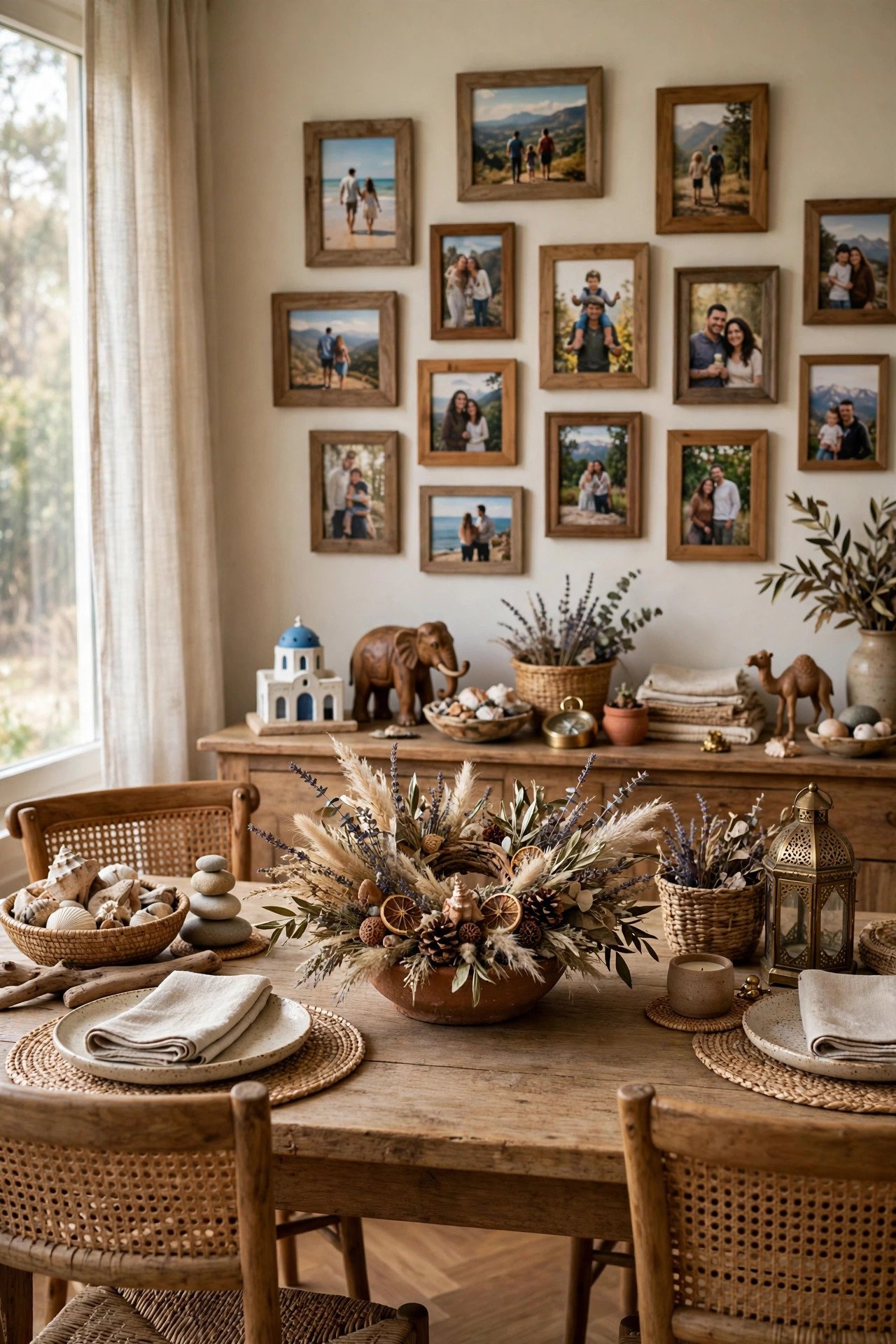
The best dining rooms feel personal, like they belong to the family that eats there every day. Family photos, travel finds, or a handmade centerpiece can make the room truly yours. Mix one or two personal pieces into the decor, so the room tells your story without feeling cluttered.
Let the kids pick one small piece, like a vase or a placemat, so the room feels shared. Dress the table for the season, and our new year table setting ideas show how to style it for a party. Change small touches with the seasons, so the room keeps feeling fresh year after year.
Frequently Asked Questions
What is the best layout for a dining room?
The best layout leaves clear paths around the table, so everyone can sit and move with ease. Place the table in the center of the room or under the main light, with the sideboard on the longest free wall. Keep chairs at least two feet from the walls, so no one feels squeezed when they pull a chair out.
How do I make a small dining room feel bigger?
Use a round or glass table, since both take up less visual space than a long, heavy table. Hang a large mirror opposite a window, and keep the colors light, so the room feels bright and open. Choose slim chairs and a slim sideboard, and keep the table decor simple, so the room never feels crowded.
Are dining room ideas expensive to try at home?
No, most dining room ideas cost very little, since many use paint, fabric, or pieces you already own. A new rug, a fresh wall color, or a set of mixed chairs can change the room for less than new furniture. Start with one low-cost change, like a mirror or a tablecloth, and add more touches over time.
What color works best in a dining room?
Warm neutrals like cream, beige, and soft grey work best, since they suit both day meals and evening dinners. Deep blues and greens also work well, since they make the room feel cozy without making it dark. Pick a color you love to sit with, then repeat it in the chairs, the rug, or the art for a calm look.
How can I make my dining room feel cozy for everyday meals?
Add soft light, a rug under the table, and fabric on the chairs, so the room feels warm at once. Keep a simple centerpiece on the table, like a vase with fresh stems, so the table always looks inviting. Use the room daily, even for coffee or homework, so it feels lived in and not just for guests.
Final Thoughts
A warm dining room is not about costly furniture, but about small choices that make meals feel special. A round table, a bold light, and a soft rug can turn any eating space into a room people love. Start with one idea you love, like the mirror or the banquette, and build the room around it.
Keep the colors soft, the layout open, and the touches personal, and the room will stay lovely for years. Try one idea this week and see how quickly the dining room starts to feel like the heart of your home. Your table is ready, so pick your favorite idea and start today.