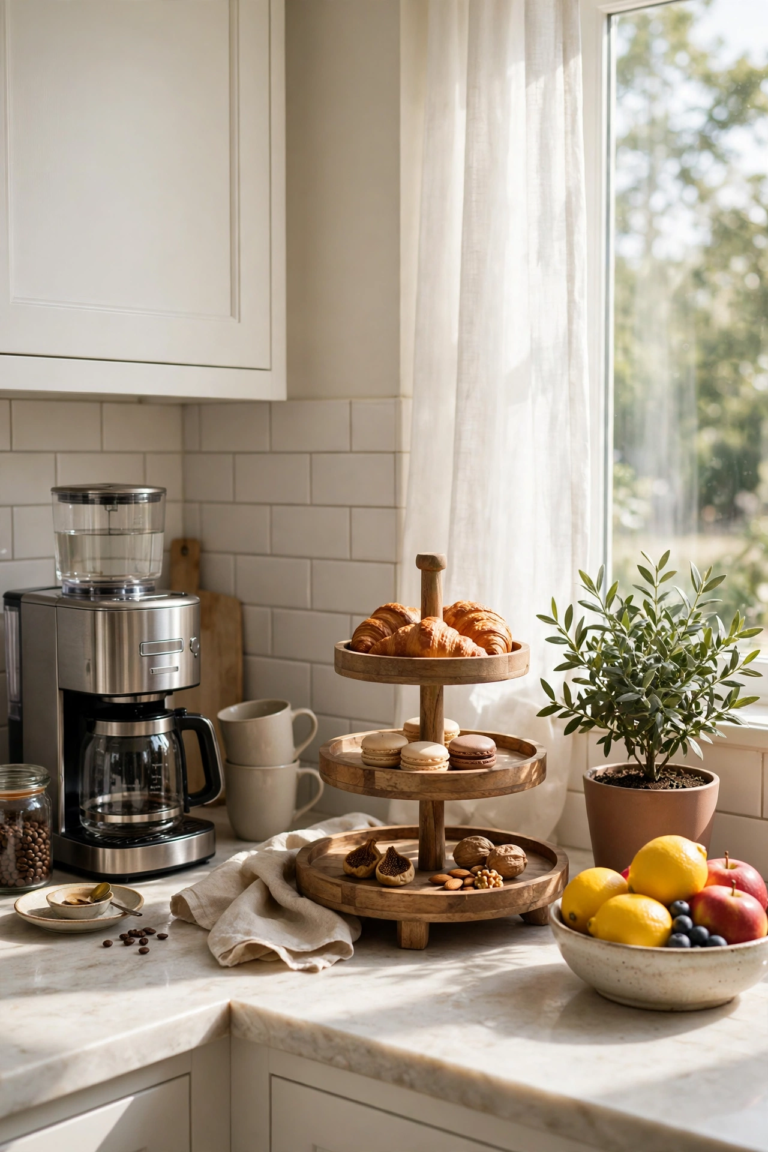
Open Shelving vs Closed Cabinets Kitchen: 20 Things to Know Before You Decide
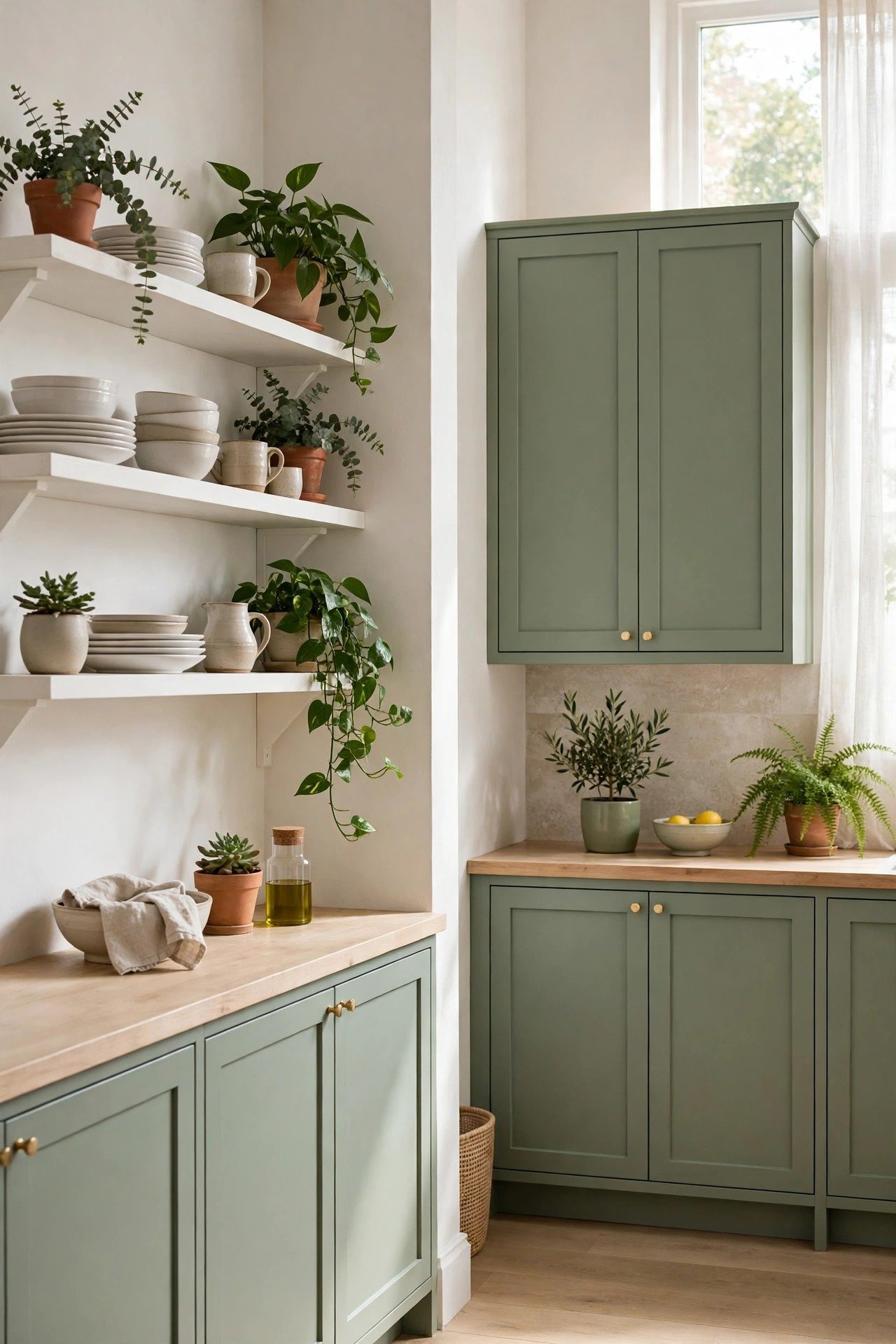
If you have ever searched for open shelving vs closed cabinets kitchen ideas before a remodel, you have probably felt torn between pretty shelves and practical doors. Open shelves promise a light, airy kitchen where your favorite dishes become part of the decor. Closed cabinets promise calm hidden storage where the messy reality stays safely behind a door.
This guide walks through 20 honest points, from staying organized to saving money and keeping pests out of your food. Each point shows one side of the debate, so you can borrow the best ideas from both styles. By the end, you will know exactly which mix of shelves and cabinets suits your kitchen and your life.
1. Open Shelving Keeps You Honest About Clutter

Open shelves show everything you own, so a messy shelf is visible the moment you walk into the kitchen. That visibility keeps you honest, because you cannot hide eleven chipped mugs behind a closed door anymore. Every plate, glass, and bowl on display has to earn its place on the shelf.
Start with only the dishes you use every week, because a shelf full of daily favorites looks calm and intentional. Put the rarely used pieces in a closed cabinet, so the open shelves stay neat without daily effort. If a shelf starts to look crowded, remove one item and notice how quickly the whole kitchen relaxes.
2. Closed Cabinets Hide the Everyday Mess
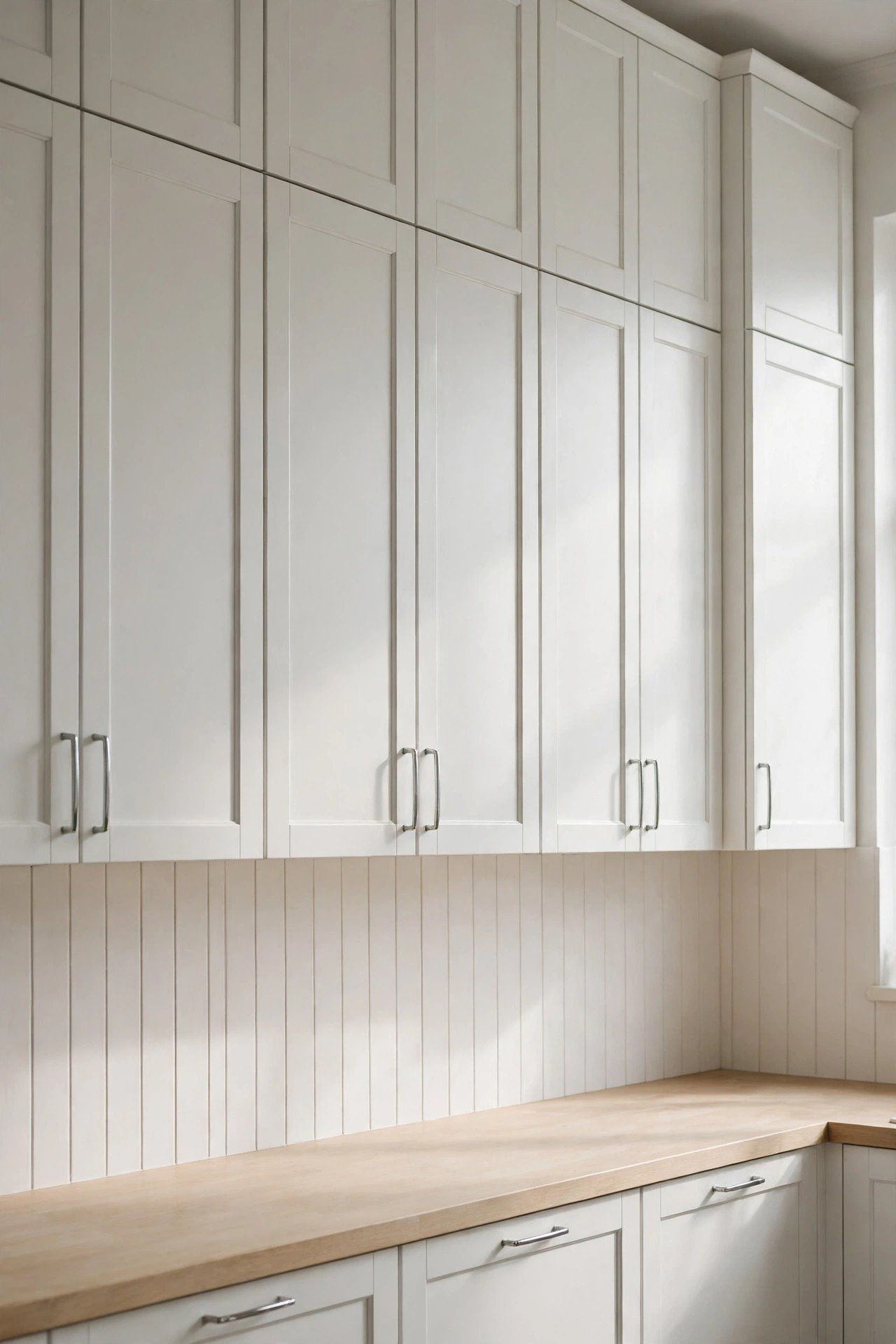
Closed cabinets are the storage version of a good concealer, because they hide the messy reality behind a tidy door. Mismatched bowls, plastic containers, and half-empty snack bags all disappear the moment the door closes. Guests see a calm kitchen, even when the inside of the cabinet tells a very different story.
This hidden storage is a gift on busy days, because you can tidy a whole kitchen in five minutes by closing doors. Add simple organizers inside the cabinets, so the hidden mess stays usable instead of turning into a pile. When you have time to sort things properly, open one cabinet at a time and deal with what you find.
3. A Mix of Both Is the Smartest Move

When you compare open shelving vs closed cabinets kitchen layouts side by side, the smartest answer is usually a mix of both. Closed cabinets on the lower half hold heavy pots, pantry goods, and the ugly items nobody needs to see. Open shelves above show off pretty dishes, glasses, and a few plants, so the kitchen feels light and personal.
This mix gives you hidden storage and open style in the same wall, without forcing you to choose one side. Our guide to modern vs traditional interior design shows how mixing two styles can make a room feel balanced instead of confused. Leave about eighteen inches between the counter and the first shelf, so the open section feels airy and easy to reach.
4. Open Shelving Is a Renter’s Best Friend

Renters cannot tear out cabinets, yet open shelves can transform a rental kitchen without any demolition at all. Two floating shelves on an empty wall add display space and storage for under a hundred dollars in most cases. When you move out, you patch a few small holes and the kitchen looks exactly like it did before.
Mount the shelves with removable hardware when possible, because a landlord-friendly install protects your security deposit. Keep the shelves light, with daily dishes and a small plant, so the wall stays safe and the look stays fresh. Pair the new shelves with the closed cabinets you already have, and you get the best of both worlds for very little money.
5. Closed Cabinets Win in a Family Kitchen

In a busy family kitchen, open shelving vs closed cabinets kitchen safety matters more than style, because little hands reach everything. A toddler can pull plates off a low open shelf in seconds, yet a closed door with a child lock keeps dishes safe. Closed cabinets also hide the snacks, so children ask before they grab a bag of chips from the shelf.
Keep open shelves high, above five feet, where small hands cannot reach the dishes and glasses. Use soft-close hinges on the lower cabinets, because they protect tiny fingers and keep the kitchen quiet at night. When the children grow older, you can add one low open shelf for their own cups and plates.
6. Open Shelving Makes a Small Kitchen Feel Bigger

Closed cabinets from floor to ceiling can feel like a solid wall, especially in a tiny kitchen with little light. Open shelves break up that heavy mass, because your eye travels through to the wall behind them. That extra depth tricks your brain into thinking the room is bigger than it really is.
Try removing the doors from two upper cabinets, because the open look costs nothing and changes the whole room. Our guide to small kitchen remodel ideas shows more ways to make a cramped kitchen feel bright and open. Paint the inside of the open cabinets a light color, and keep only the prettiest half of what was inside them.
7. Closed Cabinets Keep the Dust Out

Open shelves collect dust, cooking grease, and tiny particles faster than most people expect. A white plate can look dusty again the morning after you cleaned it, especially near the stove. Closed cabinets keep that dust out, so your dishes stay clean between uses without daily wiping.
If you hate weekly deep cleaning, closed cabinets are the more honest choice for your real life. Glass-front cabinets give you display and dust protection at the same time, because the glass shows the dishes and blocks the dust. Choose darker dishes for any open shelf you keep, because light plates show every speck of dust.
8. Open Shelving Shows Off Your Personality

Open shelves turn your kitchen into a canvas, because your favorite mugs and cookbooks become part of the decor. A colorful mug collection or a stack of family cookbooks tells guests who you are before you say a word. Closed cabinets hide all of that, which is practical yet leaves the kitchen feeling like a plain utility room.
Mix useful items with a few decorative pieces, like a small plant or a framed photo, so the shelf feels lived in. Our guide to cottagecore kitchen decor ideas shows how pretty dishes and soft colors can warm up a whole kitchen. Stick to three or four colors across the shelves, because a small palette keeps a personal display from looking messy.
9. Closed Cabinets Hold Far More
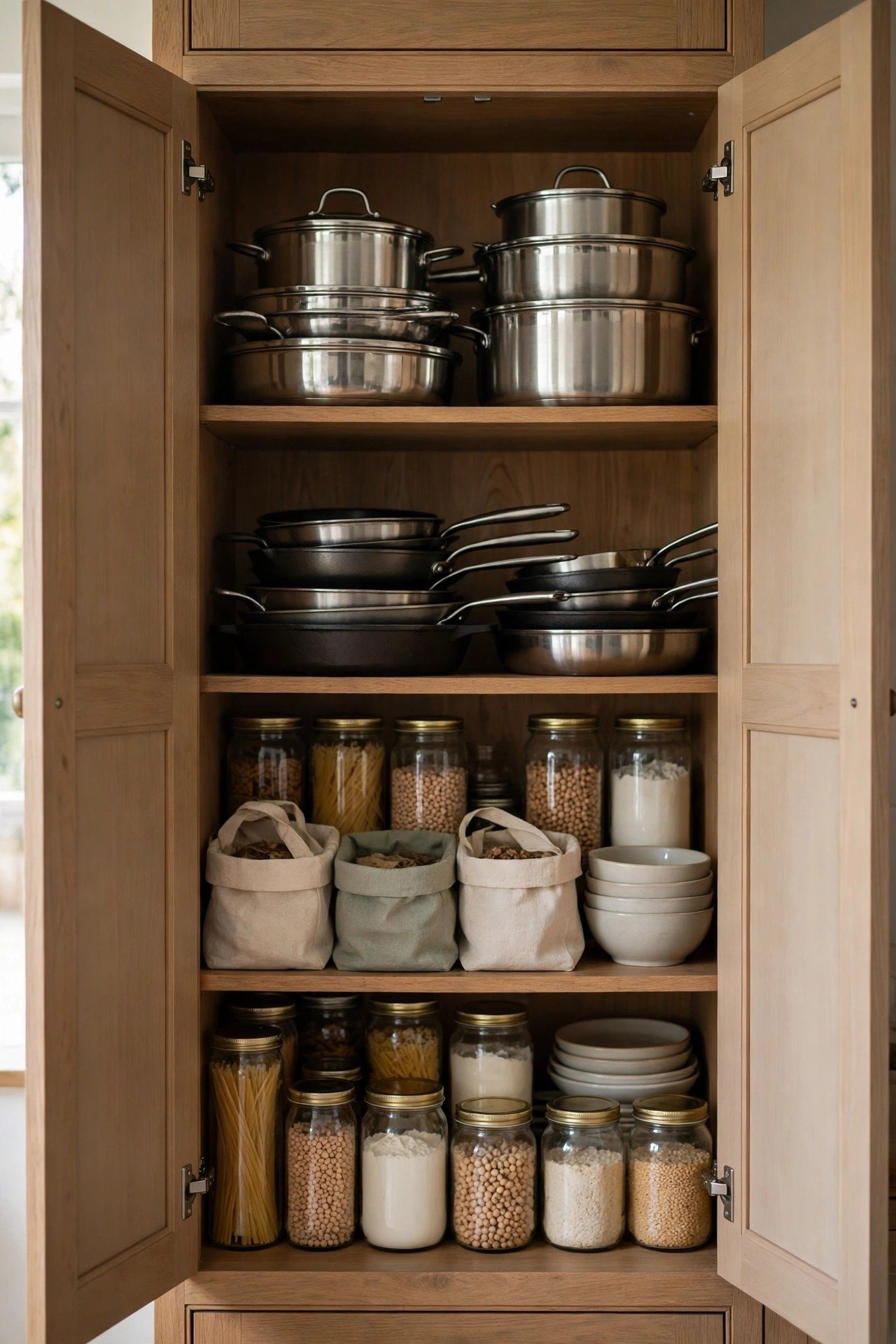
When it comes to pure storage volume, closed cabinets beat open shelves by a wide margin. A cabinet can hold three rows of canned goods, a stack of lids, and a small appliance you use twice a year. Open shelves need to look good, so you can only place one neat row of items on each shelf.
If you own a lot of kitchen tools, closed cabinets are the practical choice for most of your storage. Our guide to kitchen island storage ideas shows how deep drawers and pull-out shelves can hold even more. Save the open shelves for daily dishes and pretty pieces, and keep the bulky items behind closed doors.
10. Open Shelving Costs Much Less

A set of good floating shelves costs a small fraction of what new cabinets cost, even before installation. Solid wood shelves with simple brackets can refresh a whole kitchen wall for a few hundred dollars. The same wall in new cabinets could cost thousands, because boxes, doors, hinges, and fitting all add up.
That price gap matters most for renters and first-home owners, who need a fresh kitchen without a big loan. See the MyRoomInspo guide to open shelving vs cabinets for a clear cost, storage, and style comparison before you spend. Spend the money you save on pretty dishes to display, because the shelves deserve items worth showing off.
11. Closed Cabinets Protect Your Home’s Value
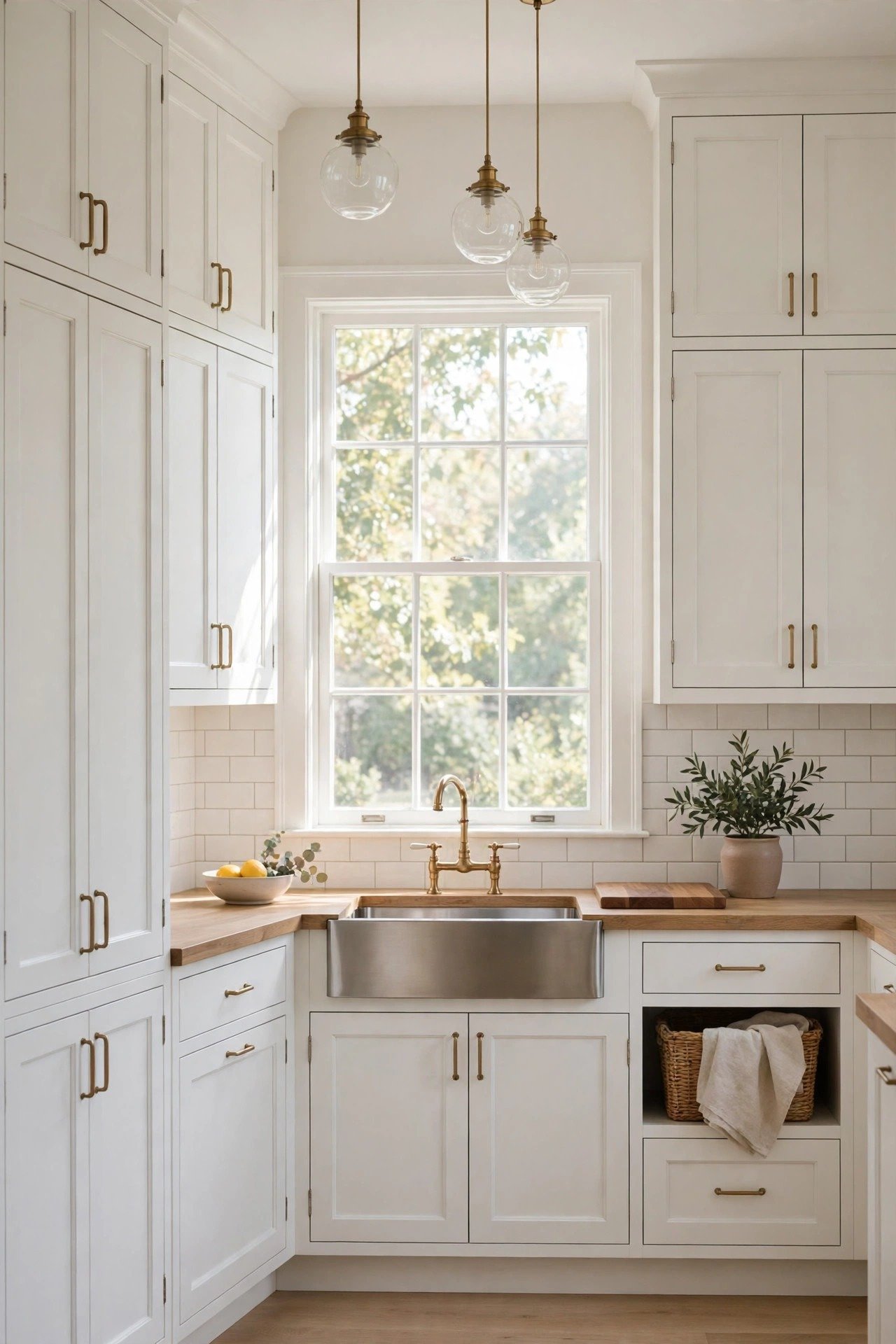
If you own your home and might sell it one day, buyers usually prefer closed cabinets over open shelves. Real estate agents say open shelving reads as trendy, while closed cabinets read as finished and complete. Most buyers want the choice to display things, not the requirement to keep every dish photo-ready.
That does not mean you should design only for a future buyer, because your daily life matters more than resale. See the HowWhenWhat guide to open shelving vs cabinets for resale and buyer advice before you decide. If you love open shelves, keep them to one small section, so a buyer still sees plenty of closed storage.
12. Open Shelving Forces a Healthy Edit
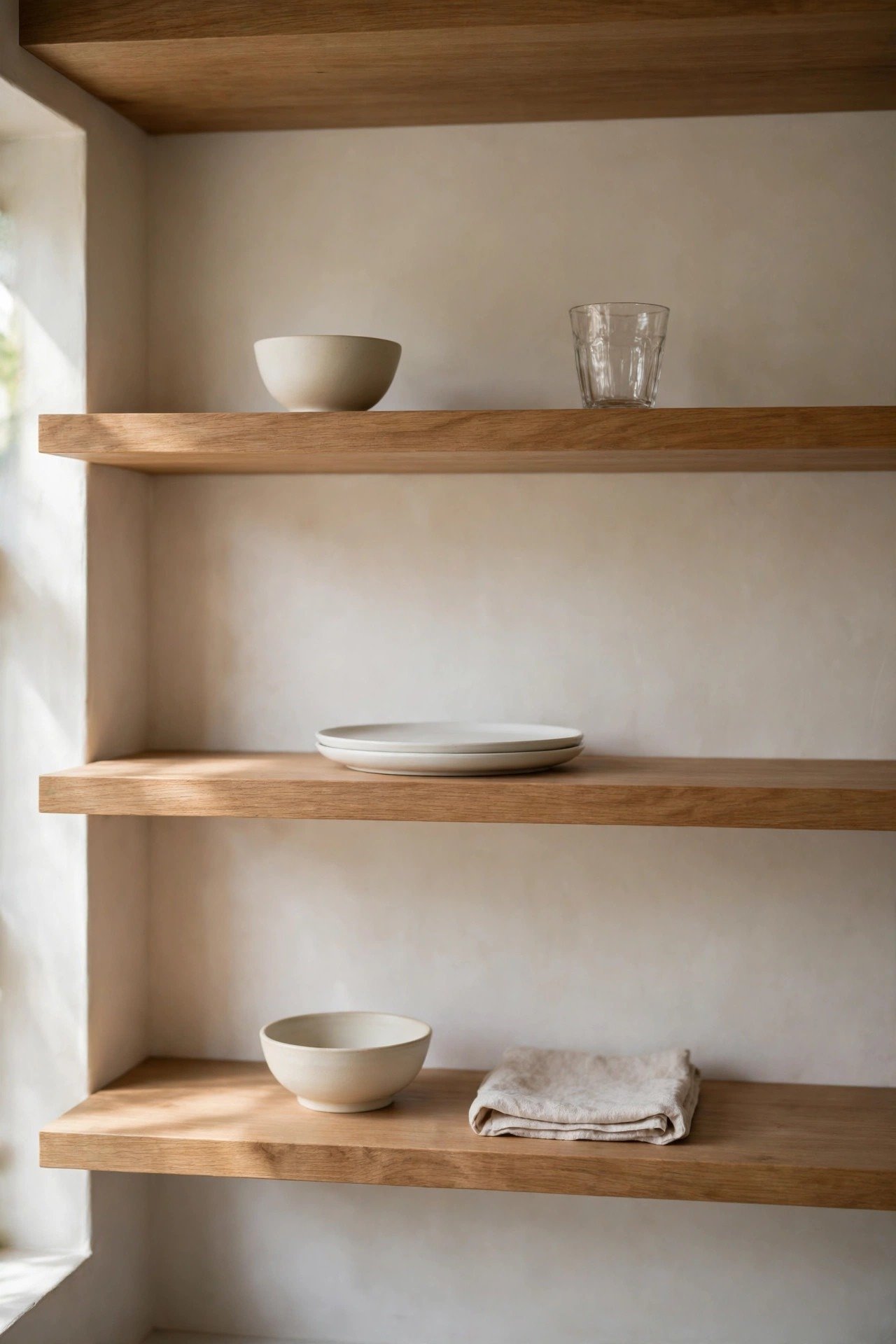
Open shelving forces you to face your stuff, because everything you own sits out in the open every day. You cannot keep fourteen half-empty spice jars or a pan you never use when you see them each morning. That daily reminder pushes you to donate duplicates and keep only what you truly use and love.
Do a big edit before you install the shelves, because starting with less makes the shelves look calm from day one. Keep a small box for maybe items, and revisit it after three months to see what you never missed. A lighter kitchen feels easier to cook in, easier to clean, and easier to enjoy every single day.
13. Closed Cabinets Are Safer in a Rental

Never remove cabinet doors in a rental without written permission, because one inspection can cost you your deposit. A friend removed all her upper doors for the open look, and her landlord kept the whole deposit even though the doors were safe in storage. The doors were not installed during the visit, and that alone was enough to lose two thousand dollars.
Work with the closed cabinets you already have, and add freestanding open shelves on another wall instead. Ask your landlord in writing before you change anything, because a clear yes protects you later. Store any removed doors flat and safe, so you can put them back exactly as they were before you move.
14. Open Shelving Makes Cooking Faster
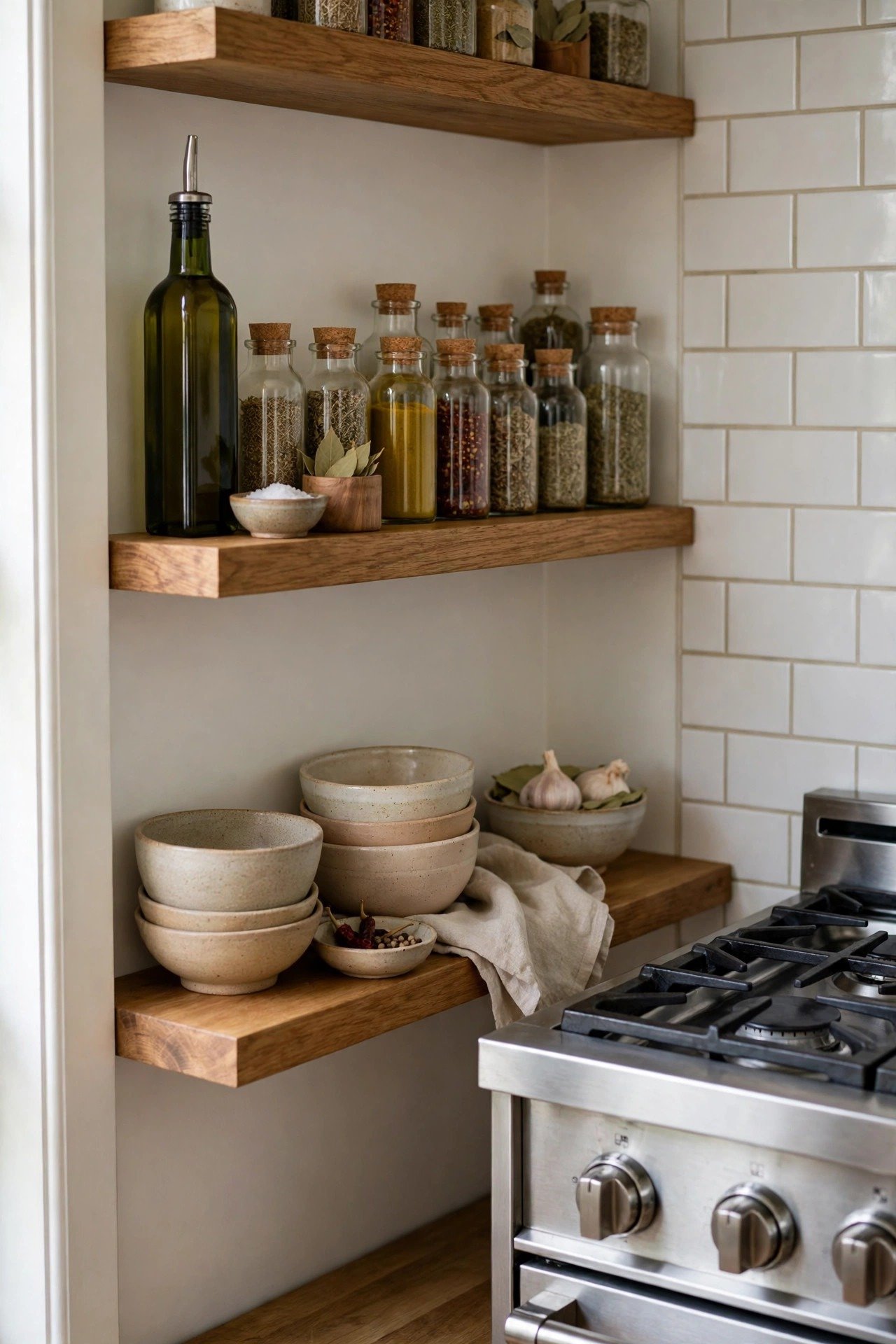
When everything is visible, you spend less time hunting through cabinets and more time actually cooking. No more opening three doors to find the salt, because the olive oil and your favorite bowl sit right in front of you. That easy access removes a small friction that stops many people from cooking at home more often.
Put your most-used items at eye level on the open shelves, because daily tools should be the easiest to reach. Keep rarely used items in the lower closed cabinets, so the open shelves stay focused on real cooking. Arrange the shelves by how often you cook with each item, not by how pretty the shelf looks in a photo.
15. Closed Cabinets Keep Pests Out

Closed cabinets keep bugs and mice away from your food, because a sealed door is a real barrier against pests. Open shelves offer no protection at all, especially in an old building where pests are a normal fact of life. Flour, pasta, and rice are safer behind closed doors, where insects cannot reach them as easily.
If you love open shelves, keep them for dishes and glassware only, and store food in sealed containers or closed cabinets. Use glass jars with airtight lids for any pantry item that sits on an open shelf. Keep up with regular pest prevention too, because no storage style replaces a clean and sealed kitchen.
16. Open Shelving Loves a Limited Color Palette

The best open shelves follow one simple rule, because they use only two or three colors for everything on display. White dishes, clear glassware, and one accent color look calm and curated on an open shelf. A mix of red plates, blue bowls, yellow mugs, and printed glasses looks like a yard sale instead of a kitchen.
Switch to one matching dish set if your shelves look chaotic, because a single color brings instant order. Add one accent color through a few statement pieces, and keep the rest of the shelf neutral and quiet. White dishes are cheap and easy to replace, so a calm palette does not have to cost much at all.
17. Closed Cabinets Solve Awkward Corners

Corner kitchens and angled walls make open shelving hard, because deep corners turn into dark spaces you cannot reach. Open shelves only highlight the strange shape, while closed cabinets can hide it completely. A closed corner cabinet with a lazy Susan turns wasted space into useful storage you can actually reach.
Measure your walls before you choose, because your kitchen shape may decide the answer for you. Use pull-out shelves inside closed corner cabinets, so nothing gets lost in the dark back corner. Custom-cut shelves can work on odd angles too, yet closed storage usually handles awkward architecture better.
18. Open Shelving Photographs Beautifully

Open shelves look wonderful in photos, because the depth and styling give a camera plenty to love. Natural light across displayed dishes and plants creates a warm shot that closed cabinets simply cannot match. If you love sharing your kitchen online, open shelves will reward you with better pictures every time.
Style the shelves with a mix of heights and textures before you take a photo, because varied shapes photograph best. Refresh the styling every few weeks, so your photos stay fresh and your kitchen never looks tired. Choose your storage for real life first, and let the pretty photos be a happy bonus instead of the reason.
19. Closed Cabinets Keep the Kitchen Quieter

Closed cabinets muffle sound, because a door contains the clink of plates and the clatter of pans. Open shelves let every sound travel across the room, which matters at seven in the morning when someone is still asleep. Grabbing a plate from an open shelf can wake a partner, a roommate, or a sleeping baby in the next room.
Soft-close hinges make closed cabinets even quieter, because the door shuts gently instead of slamming. Add felt pads inside the doors for extra sound dampening, especially in a small home with thin walls. If you keep open shelves, add rubber bumpers on the front edges, so dishes land softly instead of clanking.
20. The Honest Truth: Choose What Fits Your Life

After twenty points of debate, the honest truth is simple, because there is no single right answer for every kitchen. A tidy person who loves display and does not mind dusting will love open shelves every single day. A busy person who wants to hide chaos and store as much as possible will be happier with closed cabinets.
Start small with one open shelf, because a single shelf teaches you more about your habits than any guide can. Try it for a month, and pay attention to whether you enjoy the display or dread the dusting. You can always change your mind later, because nothing about shelves or cabinets is permanent.
Frequently Asked Questions
Is open shelving or closed cabinets better for a small kitchen?
Open shelving usually wins in a small kitchen, because it opens up the wall and makes the room feel larger. Closed cabinets can feel like a heavy wall in a tiny space, yet they hold more and hide the clutter. The best small kitchens mix both, with closed cabinets below and one or two open shelves above.
Are open shelves cheaper than closed cabinets?
Yes, open shelves cost much less than closed cabinets, because boards and brackets need far less material and labor. A full wall of shelves can cost a few hundred dollars, while the same wall in cabinets can cost thousands. The savings matter most for renters and first homes, where a big remodel budget is rarely realistic.
How do I decide between open shelving vs closed cabinets kitchen storage?
When you weigh open shelving vs closed cabinets kitchen storage, start with your daily habits instead of a photo. If you love tidy surfaces and hate dusting, lean toward closed cabinets, and if you love display and easy access, lean toward open shelves. Try one open shelf for a month, because living with the choice teaches you more than any quiz or guide.
Do closed cabinets really hold more than open shelves?
Yes, closed cabinets hold far more than open shelves, because you can stack items deep and high behind a door. Open shelves must look neat, so you can only place one tidy row of items on each shelf. Use closed cabinets for bulky pots and pantry goods, and save open shelves for daily dishes and pretty pieces.
Can I mix open shelving and closed cabinets in one kitchen?
Yes, mixing both is the most popular choice, because it gives you hidden storage and open style in one kitchen. Keep closed cabinets on the lower half for heavy pots and pantry items, and add open shelves above for daily dishes. Match the wood tones across both, so the mix looks planned and calm instead of accidental.
Final Thoughts
The open shelving vs closed cabinets kitchen debate ends with one simple truth, because the best kitchen is the one that fits your real life. Measure your space, count your dishes, and be honest about how much dusting you will really do each week. Then pick the mix that makes you excited to walk into your kitchen every single morning.