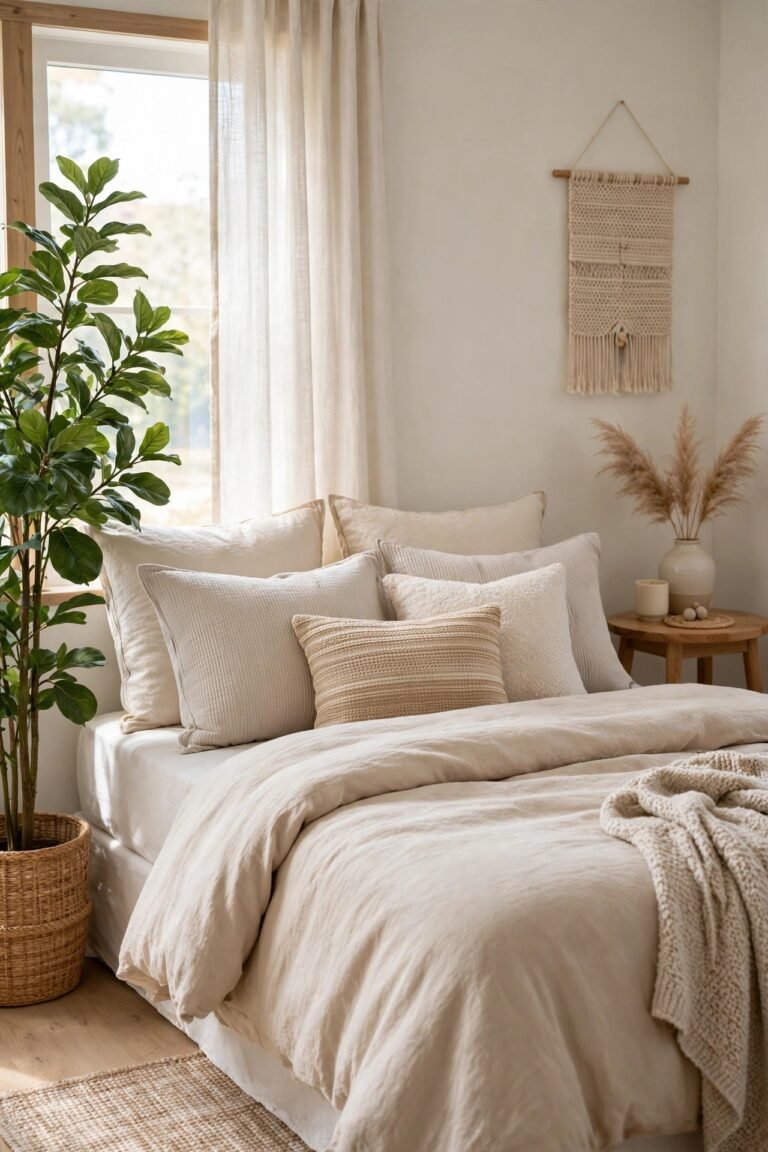
20 Minimalist Room Design Ideas for a Calm, Clutter-Free Home

If you have ever walked into a room and wished it felt calmer, these minimalist room design ideas can help you get there without buying a whole new home. Minimalism is not about owning almost nothing or living in a cold white box. It is about choosing each piece with care so the room feels open, useful, and truly yours.
This guide shares 20 simple ideas you can try one at a time, from smart storage and soft light to small daily habits. Each idea shows a clear step you can take today, with a photo to spark your own version. By the end, you will know how to shape a room that feels like a deep breath every time you walk in.
1. Start With a Neutral Base, Then Add One Surprise
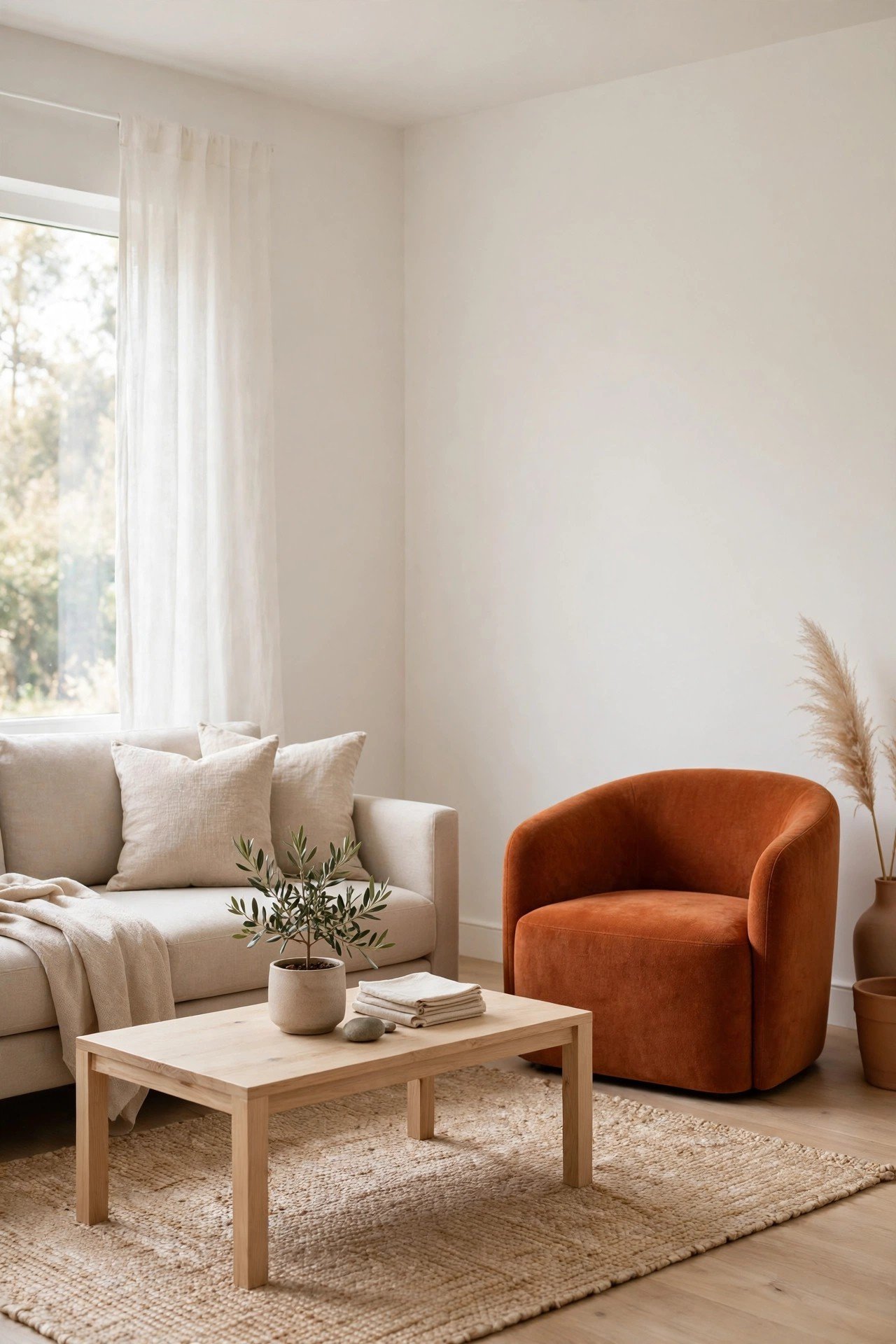
A calm room usually starts with a quiet base of warm white, soft beige, or pale gray on the walls and the biggest pieces. These gentle colors let your eyes rest, so the room feels peaceful the moment you walk in. They also give you a clean background that makes one bold choice stand out beautifully.
Pick one surprise for the room, like a deep green armchair, a rust-colored cushion, or a single piece of bold art. Keep everything else quiet, so that one pop gets all the attention it deserves. Our guide to minimalist vs maximalist decor style shows how one bold piece can balance a calm room without tipping it into clutter.
2. Give Everything in the Room a Home

Clutter starts when things have no clear place to go, so they pile up on tables, chairs, and the floor. Give every item a home, from keys and chargers to books and blankets, and the room will stay calm on its own. A small basket by the door, a drawer for mail, and a shelf for books can change the whole feeling of a room.
Walk through the room once and list the things that always end up in the wrong place. Then find a spot for each one, close to where you actually use it. The Apartment Therapy guide to minimalist interior design shares the same idea from designers, because every piece should have a purpose in a calm room.
3. Choose Furniture That Does More Than One Job
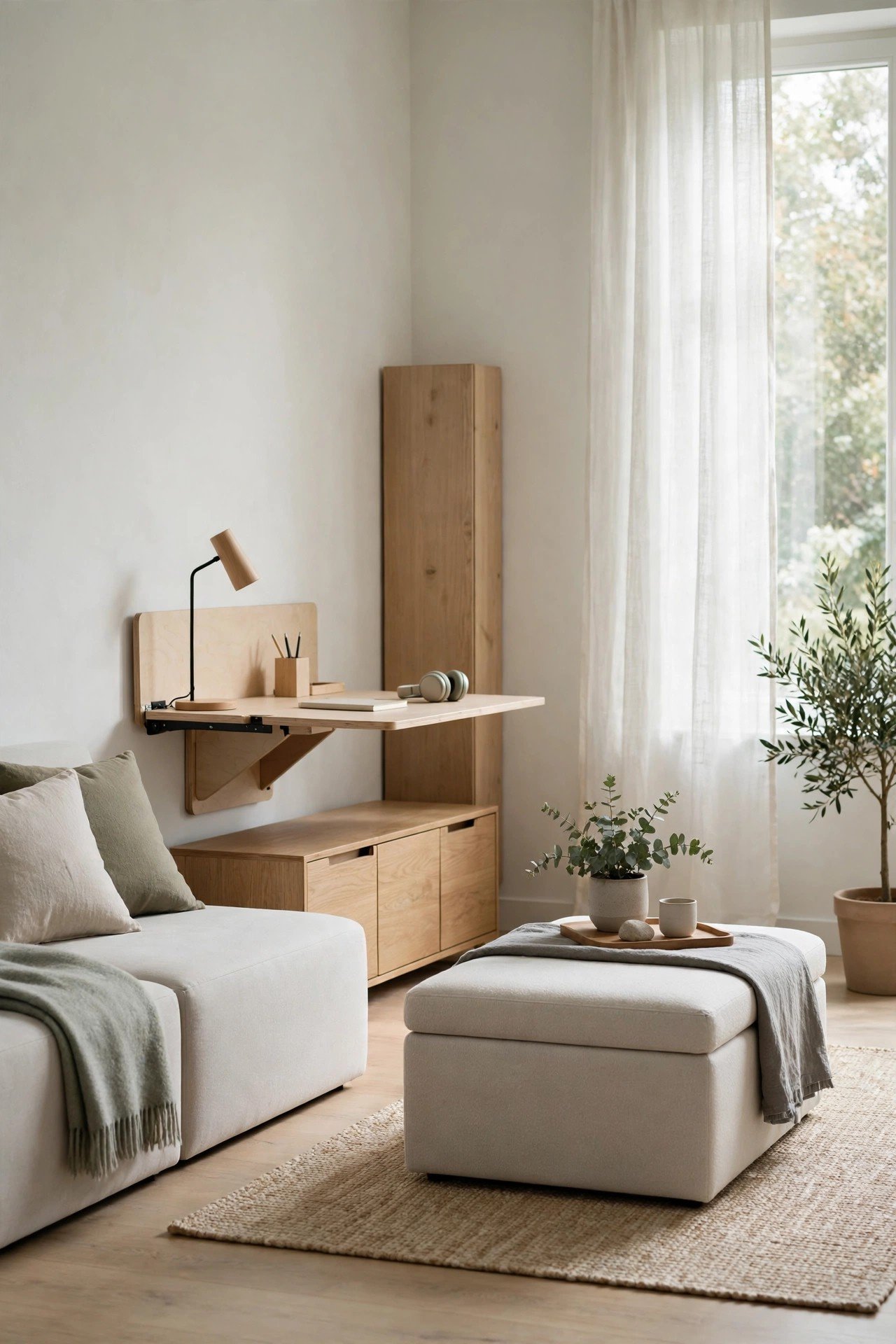
When you think about minimalist room design ideas for a small space, furniture that does two jobs is the smartest place to start. An ottoman with storage inside can hold blankets and still work as a footrest or an extra seat. A bed with drawers underneath, a fold-out desk, or a coffee table with a shelf all save space without adding clutter.
Look for pieces that hide their second job, so the room still looks simple and calm. A storage bench by the window can hold shoes, toys, or winter scarves out of sight. One clever piece can replace two ordinary ones, and the room will feel larger at once.
4. Layer Textures Instead of Adding More Colors

A pale room can feel flat if every surface is smooth and plain, so texture is the secret to warmth without color. Layer a linen throw over a cotton sofa, add a chunky knit cushion, and roll out a jute rug under the coffee table. Each texture adds depth your eyes and hands can enjoy, and none of them adds visual noise.
Mix rough and smooth materials, like warm wood beside cool stone or soft wool beside sleek metal. Keep the colors in the same quiet family, so the textures do the talking instead of the colors. See our guide to what is minimalist interior design for more ways to layer texture into a calm, pared-back room.
5. Follow the One In, One Out Shopping Rule

New things arrive in every home, and without a rule they slowly fill the shelves and the closet again. The one in, one out rule is simple, because every time something new comes in, one old thing goes out. When you follow minimalist room design ideas like this one, your rooms stay calm without a big yearly cleanout.
Buy a new cushion, and donate the oldest one from the sofa that same day. Bring home a new book, and pass an old one to a friend or a little free library. This small habit keeps the room steady, so clutter never gets a chance to grow.
6. Hide the Cords and Keep Surfaces Clear

Cords are one of the sneakiest sources of visual clutter, because a tangle of black wires can ruin a calm corner in seconds. Gather the cords behind your television, desk, and bedside table with simple cable clips or a cord box. Run them along the back of furniture or behind a curtain, so the eye never has to trip over them.
A small charging station inside a drawer keeps phones and cables out of sight while they charge. Choose lamps and speakers with short cords, or use a power strip hidden behind the sofa. Once the cords are gone, the whole room will look tidier without you moving a single piece of furniture.
7. Hang Floating Shelves for Light, Open Storage

Floating shelves give you storage and display space without the heavy look of a big bookcase. They seem to hover on the wall, so the floor stays open and the room feels lighter. Two or three shelves can hold books, a plant, and a few favorite objects with room to spare.
Hang them at eye level, and leave plenty of empty space between the objects on each shelf. Resist the urge to fill every inch, because a half-empty shelf is what makes this look work. One small vase, a stack of two books, and a tiny plant are enough to make a shelf feel finished.
8. Keep the Floor Clear With a No-Clutter Rule

The floor is the first thing your eyes notice when you enter a room, so clutter there makes the whole space feel messy. Make a simple rule that nothing lives on the floor except furniture, rugs, and one or two plants. Shoes, bags, toys, and laundry all get a home off the floor, even if that home is just a basket by the door.
Check the floor every evening, and pick up anything that drifted down during the day. A clear floor makes the room look bigger, and it makes cleaning much faster too. After a week of this rule, you will notice how much calmer the room feels under your feet.
9. Go Monochromatic for Instant Calm
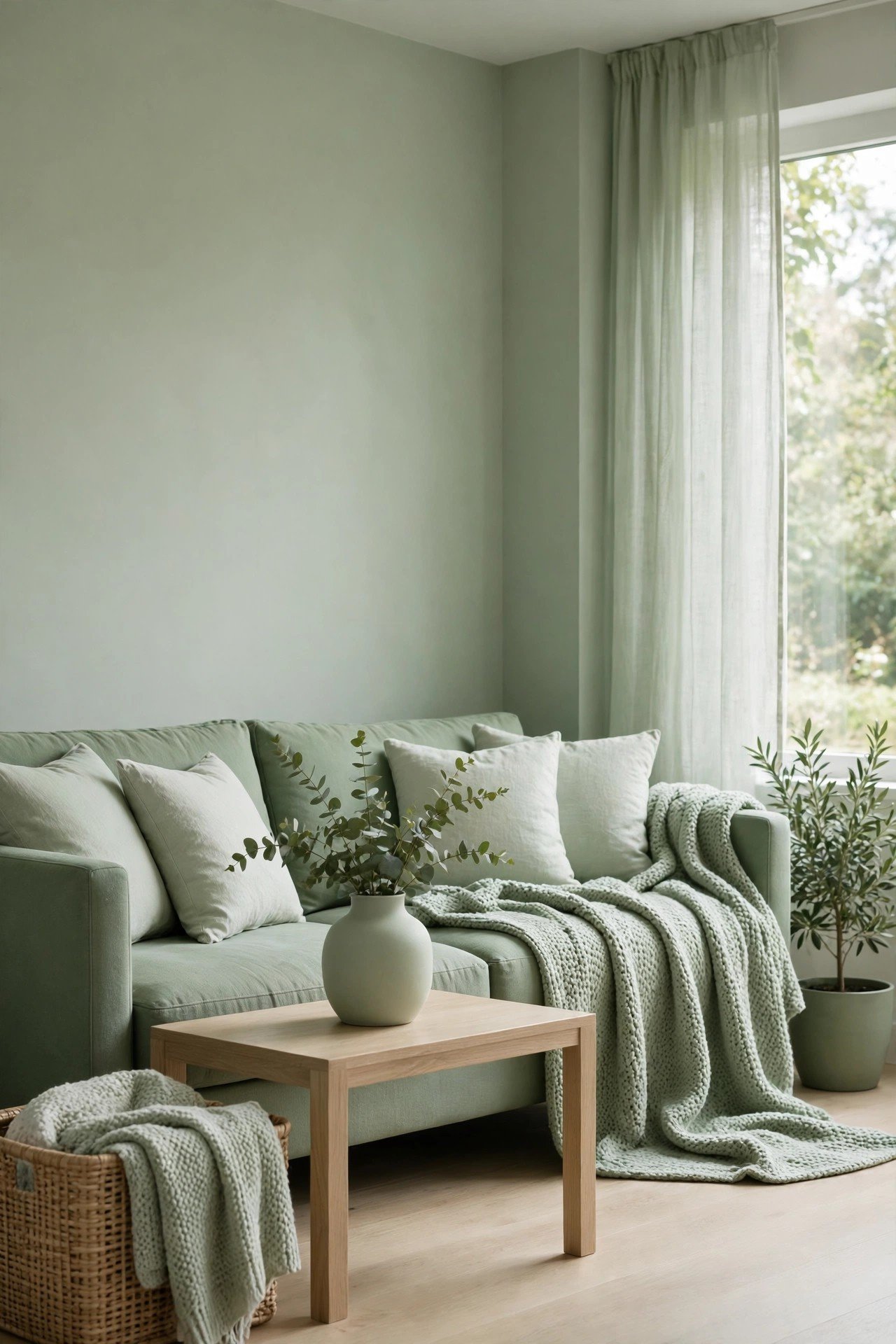
A monochromatic room uses one color in many shades, from the palest tint to the deepest tone, and the effect is instantly calm. Try soft sage on the walls, a deeper green sofa, and pale green cushions, and watch how the room settles. With only one color family to look at, your eyes can relax instead of jumping from one bold shade to another.
Add interest with texture instead of new colors, like a nubby throw, a smooth vase, and a woven basket in the same shade. If the room feels too flat, add one tiny accent in a warm metal, like brass or light wood. Monochrome does not mean boring, because the shades themselves create all the variety you need.
10. Edit Your Decor With the Seasons

Rooms drift toward clutter slowly, so a short seasonal edit keeps the calm from slipping away without a big effort. Four times a year, walk through each room with a basket and remove anything you no longer use or love. Swap a few cushions, move one plant, and let the room breathe again for the new season.
Take a photo of the room before you start, because a photo shows the truth more clearly than daily habit does. You will spot the pile you stopped seeing and the shelf that quietly filled up again. Put one thing back at a time, and stop as soon as the room feels light and easy.
11. Invest in One Quality Statement Piece

One beautiful, well-made piece can carry a whole room, so spend your money there instead of on many small things. A solid wood table, a sculptural lamp, or a handmade vase will look good for years, long after cheap trends have faded. When the room holds one piece you truly love, everything else can stay simple and quiet around it.
Save up for the piece instead of buying three cheaper versions that wear out fast. Place it where your eyes land first when you enter the room, so it gets the attention it deserves. Our guide to minimalist luxury living spaces shows how calm rooms can still feel rich and special around one strong piece.
12. Leave Visual Breathing Room on Purpose

Visual breathing room is the empty space around your furniture and objects, and it is what makes a room feel calm instead of crowded. Leave a gap between the sofa and the side table, and do not push every chair against a wall. When objects have space around them, each one looks more special and the room feels easier to be in.
Try removing one thing from every surface, and live with the emptier look for a week. Most people find the room feels lighter, not emptier, because the things that remain can finally shine. Breathing room is not wasted space, because it is doing the quiet work of keeping your mind at rest.
13. Choose Clear or Solid Storage for Visual Quiet

Storage that you can see through, or storage with plain solid doors, both keep a room visually quiet in their own way. Clear boxes let you find things fast without opening every lid, while solid cabinets hide the mess completely. Pick one style for each room, so the storage itself looks calm and planned instead of random.
Use clear boxes inside closets and drawers, where finding things quickly matters most. Use solid doors and drawers in the living room, where the eye needs rest from daily clutter. Label the boxes simply, so anyone in the house can put things back in the right place.
14. Try the Three-Word Room Description Test

The three-word room description test is a quick way to check whether your room has a clear feeling. Stand in the doorway and describe the room in just three words, like calm, warm, and simple. If you cannot find three words, or if the words fight each other, the room is probably trying to do too much at once.
Write your three words on a sticky note, and keep it where you can see it while you shop. Before you buy anything new, ask whether it fits one of your three words. If it does not, leave it in the store, because the room will thank you for the restraint.
15. Embrace the Beauty of Negative Wall Space

Negative wall space is the bare part of a wall that holds nothing at all, and in a minimal room it is a design choice, not a mistake. A large empty stretch of wall gives your eyes a place to rest, just like a pause in a song. It also makes the art or the shelf you do hang look far more important than it would on a crowded wall.
Leave at least one wall in each room mostly empty, even if your first instinct is to fill it. Hang one piece of art with plenty of space around it, and let the wall do the rest of the work. After two weeks, the emptiness will start to feel like relief instead of something missing.
16. Use Light Strategically in Every Corner

Light changes how a room feels more than almost any piece of furniture can, so use it on purpose instead of leaving it to chance. Place a floor lamp in a dark corner, a small lamp on the desk, and a warm light near the reading chair. Layers of soft light at different heights make the room glow, while one harsh ceiling light flattens everything.
Keep windows clear of heavy furniture, and use sheer curtains that let daylight travel deep into the room. A mirror across from a window can bounce light into a corner that never sees the sun. See the Homes and Gardens guide to minimalist decor for expert ideas on layering light into a pared-back room.
17. Keep Your Color Palette to Three or Four Colors

A small palette is the fastest way to make a room feel calm, because too many colors compete for your attention. Pick three or four colors at most, and let them repeat across the walls, the sofa, the rug, and the cushions. Two neutrals plus one soft accent is a safe recipe that works in almost any room.
Write your colors down before you shop, and check every new buy against the list. If a cushion or a vase does not match one of your colors, it does not come home. This one rule will stop most impulse buys, and your rooms will look planned instead of random.
18. Make the Most of Vertical Storage

When floor space is tight, the walls are your best friend, because storage that goes up leaves the floor free. Tall shelves, wall hooks, and a narrow cabinet can hold a surprising amount without crowding the room. Even a small room feels larger when the floor is clear and the storage climbs toward the ceiling.
Use the highest shelves for things you rarely need, and keep daily items at arm level. A tall bookcase with closed doors looks like part of the wall, not like extra furniture. Our guide to how to decorate a small living room step by step shows how to use wall height to make a small room feel taller and calmer.
19. Add Greenery and Keep It Simple

One or two green plants can bring a minimal room to life without adding clutter or color chaos. A single olive tree in a plain pot, a trailing plant on a shelf, or a small fern on the windowsill is enough. Greenery adds a soft, living shape that makes pale walls and simple furniture feel warm and human.
Choose plants that fit your light and your habits, because a struggling plant adds stress instead of calm. Keep the pots simple and matching, so the plants themselves are the decoration. If real plants feel like too much work, one really good faux plant in a beautiful pot will do the job.
20. End Every Day With a Quick Nightly Reset

A nightly reset is a ten-minute habit that keeps a minimal room calm without a weekend cleanout. Every evening, put the cushions back, fold the throw, clear the coffee table, and return stray items to their homes. The room will greet you calmly in the morning, instead of reminding you of yesterday’s mess.
Set a timer for ten minutes, and stop when it rings, because a short habit you keep beats a long one you quit. Involve everyone in the house, and make it a small ritual before bed. After a month, the reset will feel automatic, and the calm will last all day instead of fading by noon.
Frequently Asked Questions
What is the easiest way to start with minimalist room design?
Start with one room, or even one corner, and clear a single surface completely. Remove everything from that surface, then put back only the things you use or truly love. Live with the clear surface for a week, and you will feel how much calmer the room becomes.
Can a minimalist room still feel warm and cozy?
Yes, a minimalist room can feel very cozy when warmth comes from texture and natural materials. Soft linen, warm wood, wool throws, and gentle light make a pale room feel lived in. Keep a few personal pieces on show, and the room will feel warm instead of bare.
How do I make minimalist room design ideas work in a small home?
When you use minimalist room design ideas in a small home, start with furniture that does two jobs and storage that climbs the walls. Keep your color palette to three or four colors, and leave plenty of empty floor and wall space. Small rooms actually suit minimalism best, because every simple choice makes the space feel bigger.
How many colors should a minimalist room have?
Three or four colors at most is the sweet spot for a minimalist room. Two quiet neutrals plus one soft accent will keep the room calm without feeling flat. If you add a fifth color, keep it tiny, like a single book spine or a small vase.
Does minimalist design mean I have to throw everything away?
No, minimalist design does not ask you to throw away everything you own. It asks you to keep the things you use, love, or find truly beautiful, and let the rest go. Your favorite books, photos, and handmade pieces all have a place in a minimal home.
Final Thoughts
Minimalism is not a style you adopt overnight, and it is certainly not about doing without. The rooms that do it well feel calm, warm, and intentional, because every piece has earned its place. Pick one idea from this list, try it this week, and watch how a small change makes the whole room feel like a deep breath.