

19 Fruit Storage Ideas to Keep Fruit Fresh for Longer
These fruit storage ideas help fresh fruit stay crisp, sweet, and ready to eat for much longer. Most of us have watched berries turn mushy and bananas turn brown far too fast. The good news is that a few small changes can fix almost every spoiling problem.
The ideas below cover the counter, the fridge, and the freezer, so every kind of fruit has a home. Each one is simple to try, and most of them cost nothing at all. Pick the ones that fit your kitchen, and your fruit will thank you for it.
1. Start With a Breathable Fruit Bowl on the Counter

A wide bowl with open sides lets air move around your fruit, so moisture never builds up inside the pile. Apples, oranges, and pears stay firm longer in a bowl like this than in a deep closed container. Set the bowl where you can see it, and the fruit will get eaten before it ever turns soft.
Pick a bowl with holes, slats, or a wire frame, since solid sides trap warm damp air. Keep the bowl away from the stove and the sunny window, so the fruit stays cool and fresh. A pretty bowl on the counter also works as kitchen decor, so it earns its spot twice over.
2. Keep Bananas Away From Other Fruit
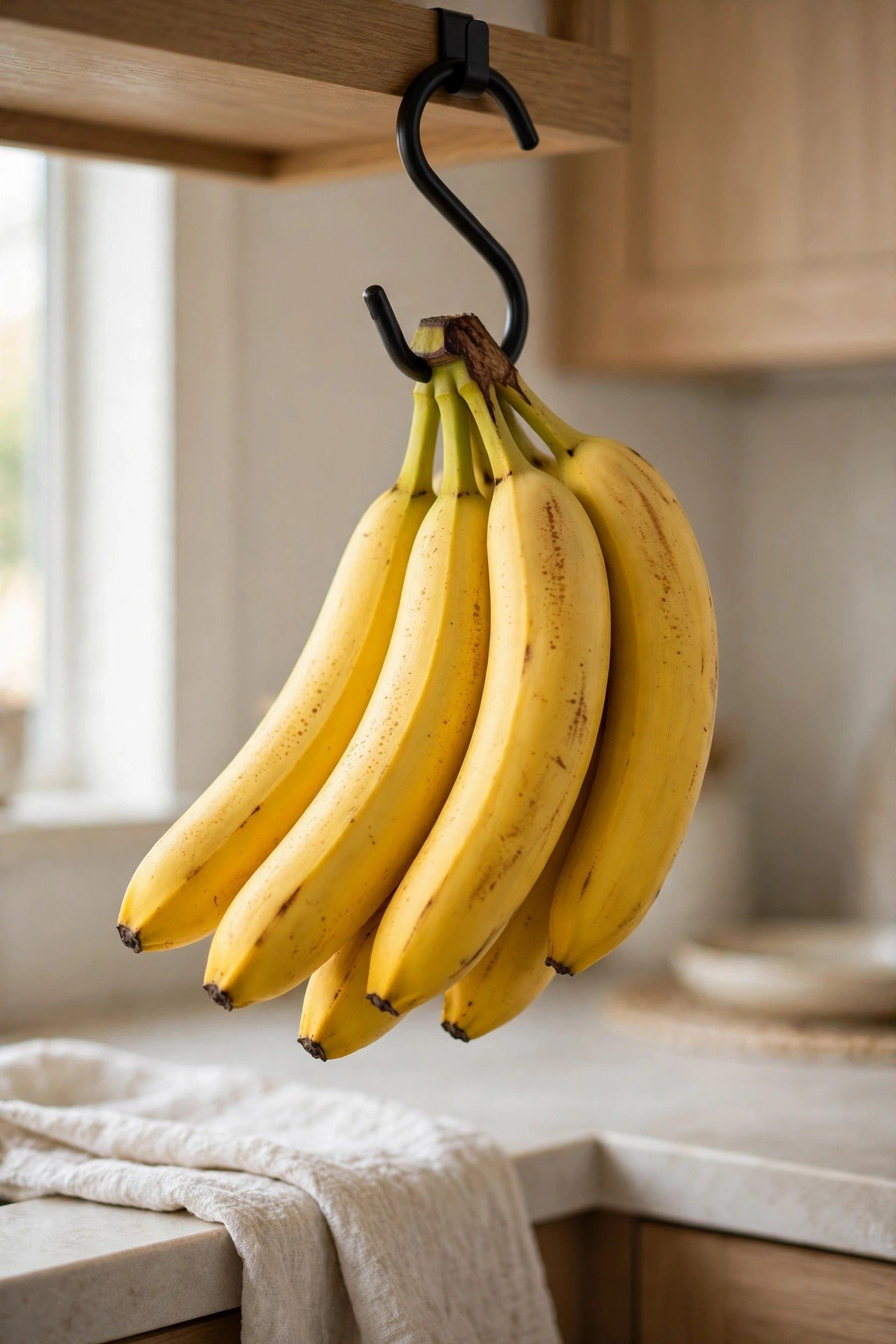
Bananas give off a natural gas called ethylene, and it makes nearby fruit ripen much faster. When bananas sit in the same bowl as apples or pears, the whole bowl turns soft in a day or two. Give bananas their own hook or small bowl, and everything else in your kitchen will last longer.
Hang the bunch from a banana hook if you have one, since hanging also stops bruises on the bottom fruit. Keep the separate spot away from berries and grapes, which are the most sensitive to the gas. See the American Heart Association guide to keeping produce fresher longer for why ethylene makes some fruit spoil so fast.
3. Store Berries in Glass Containers
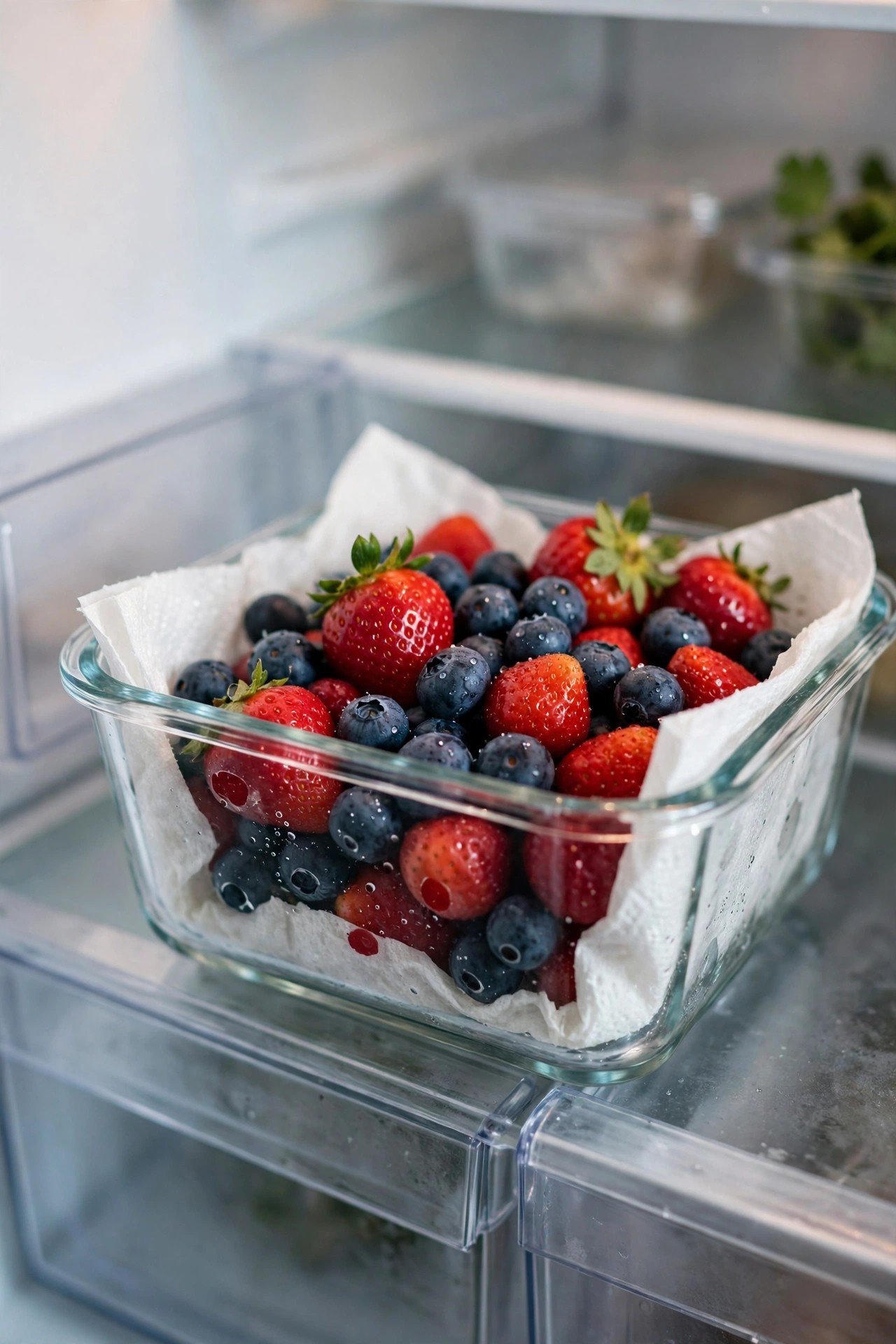
These fruit storage ideas work well for berries, since a glass container lined with paper towel keeps them dry and fresh. Spread the berries in one layer if you can, so air reaches every piece and none get crushed. A clear container also lets you spot one soft berry fast, before it spoils the rest.
Line the bottom with a folded paper towel, then add the berries and lay one more towel on top. Keep the lid loose or cracked open a little, so damp air can escape from the box. See our food storage containers ideas for more glass jar and container picks that suit a tidy fridge.
4. Wait to Wash Fruit Until You Eat It

Wet fruit spoils fast, because water feeds the mold that grows on soft skins. Washing a whole punnet of berries on shopping day means half of them turn mushy by the next morning. Leave the fruit dry in the fridge, and wash only the pieces you plan to eat right now.
Rinse each serving under cool running water just before you eat it, then pat it dry. This one habit adds days to berries, grapes, and stone fruit with almost no effort. See the FDA guide to selecting and serving produce safely for safe washing and handling tips for fresh fruit.
5. Use Your Crisper Drawer the Right Way

These fruit storage ideas start with the crisper drawer, since its humidity control is made for fresh produce. Set the slider to high humidity for berries and grapes, and low humidity for apples and pears. The right setting keeps the drawer damp enough to stop wilting, but dry enough to stop mold.
Keep fruit in its own drawer when you can, away from leafy greens that hate the same damp air. Wipe the drawer out once a week, so old drips never turn into a sour smell. A drawer that is half full works best, since packed fruit blocks the air flow.
6. Keep Apples in the Fridge

Apples last far longer in the fridge than on the counter, often for weeks instead of days. The cold slows down ripening, so the flesh stays crisp and sweet for much longer. Keep them in the crisper drawer, where the cool damp air suits them best.
Store apples away from other produce when you can, since they release the same ripening gas as bananas. A loose bag with a few small holes keeps them moist without trapping too much air. Check the bag once a week, and pull out any apple that feels soft or bruised.
7. Wrap Citrus Fruit to Lock In Moisture

Lemons, limes, and oranges dry out fast in the open air, and their skins turn hard and dull. A sealed bag or a lidded container in the fridge locks the moisture in around the fruit. Wrapped citrus stays juicy for weeks, while unwrapped fruit shrivels in a few days.
Squeeze the extra air out of the bag before you seal it, but do not crush the fruit. Keep the bag in the crisper drawer, where the cool air helps even more. Use the oldest citrus first, so none of it sits long enough to dry out.
8. Hang a Fruit Basket to Save Counter Space

A hanging basket lifts fruit off the counter, so you win back space for cooking and prep. The open weave lets air flow around every piece, which keeps the fruit fresh longer. It also puts the fruit at eye level, so the family grabs it instead of forgetting it.
Hang the basket near the prep area but away from the stove, where warm air speeds up ripening. Keep heavy fruit like melons out of it, and save the basket for apples, oranges, and bananas. See our kitchen counter corner decor ideas for more ways to keep a busy corner tidy and pretty.
9. Freeze Fruit Before It Goes Bad
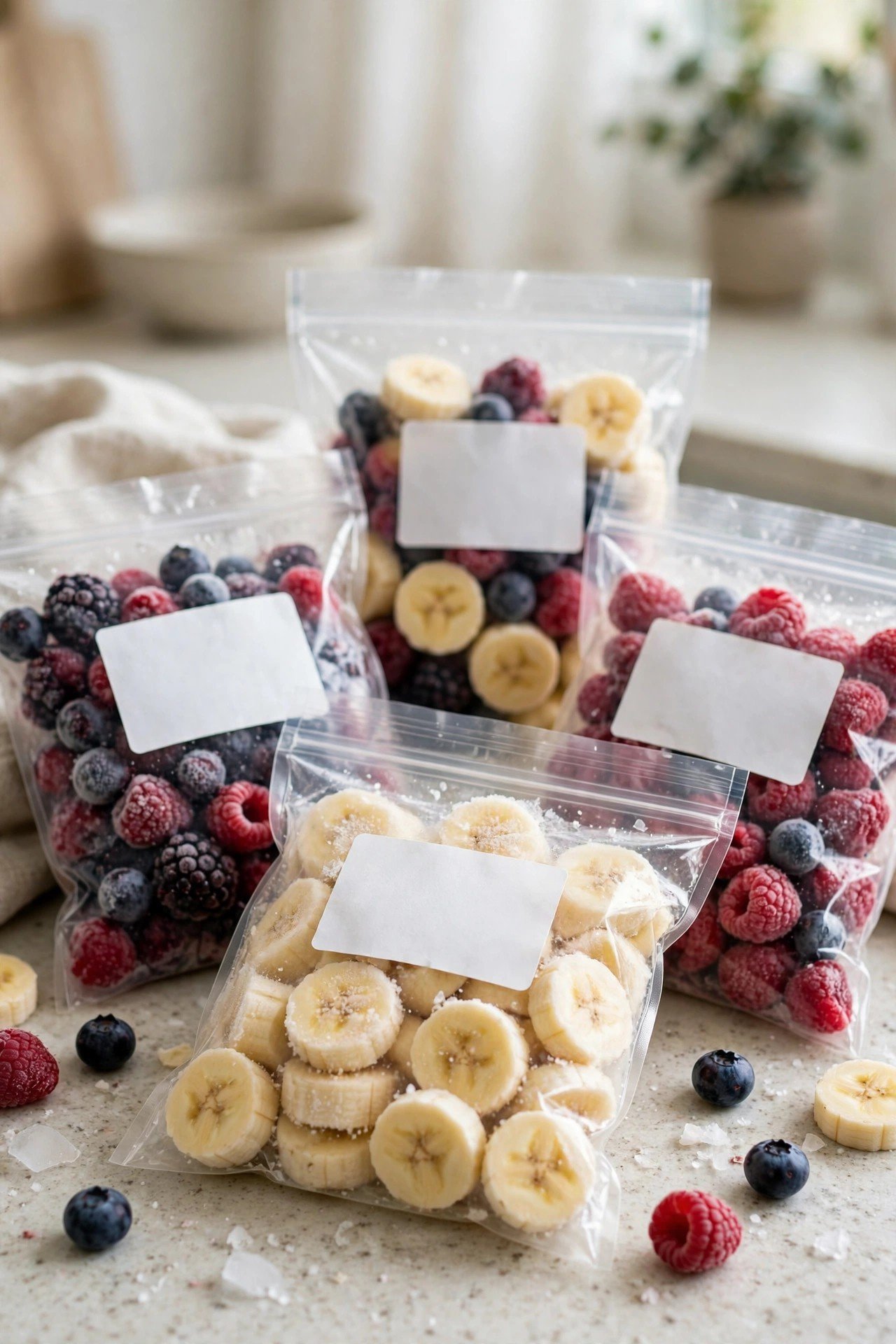
Fruit that is too soft to eat is still perfect for smoothies, baking, and oatmeal. Peel bananas and slice soft peaches before you freeze them, so they blend with ease later. Spread the pieces on a tray first, then bag them once they are firm and solid.
Label each bag with the fruit and the date, so you use the oldest bags first. Frozen fruit keeps for months, which means almost nothing from your shopping trip goes to waste. A freezer bag of ripe bananas is the fastest start to a morning smoothie.
10. Keep Cut Fruit in Airtight Containers

Once fruit is cut, the open flesh dries out fast and picks up fridge smells. A tight airtight container locks the moisture in and keeps the flavor fresh. Add a squeeze of lemon juice to cut apples and pears, so the flesh stays bright and white.
Keep the container near the front of the fridge, so the fruit gets eaten the same day. Eat cut fruit within a day or two, since even a good seal cannot hold it forever. Small single-serve boxes work well for lunchboxes, and they stop the fruit from getting squashed.
11. Line Containers With Paper Towels

A folded paper towel inside a container soaks up the drops that make fruit turn soft and moldy. Grapes and berries give off more moisture than most fruit, so they need this trick the most. Swap the towel every two or three days, or sooner if it feels damp to the touch.
Lay one towel under the fruit and one on top, so moisture is caught from both sides. Use plain white towels with no print, since ink can stain pale fruit skins. This cheap trick costs almost nothing, yet it adds days to every soft fruit you buy.
12. Ripen Stone Fruit at Room Temperature First

Peaches, plums, and nectarines taste best when they ripen on the counter first. Cold fruit stops ripening, so a hard peach from the fridge will stay hard and mealy. Leave stone fruit in a single layer on the counter until it gives a little when you press it.
A paper bag speeds up the ripening, since it traps the natural gas around the fruit. Move the fruit to the fridge the day it turns ripe, and the cold will hold it there for days. Eat the ripest pieces first, so none of them slip past their best day.
13. Store Grapes Unwashed in the Fridge

Grapes last longest when they stay dry and unwashed in the fridge. Water on the skins invites mold, and one moldy grape can spoil the whole bunch. Keep them in a breathable bag or a vented container in the crisper drawer.
Pull off only the grapes you plan to eat, then rinse that small bunch under cool water. Snip the bunch into small clusters with scissors, so the rest stays whole and fresh. Dry grapes feel firm and sweet for a week or more when they are stored this way.
14. Use Mason Jars for Small Fruit

Mason jars are just the right size for blueberries, cherries, and small strawberries. The clear glass shows the fruit at a glance, so you never forget what is inside. Jars stack neatly on a fridge shelf, which keeps a small fridge tidy and easy to use.
Line the jar with a small piece of paper towel to catch drips from the fruit. Leave the lid a little loose, so damp air can escape instead of turning to mold. Small jars also work well for washed grapes, and they pour out with ease.
15. Pull Out Damaged Fruit Right Away

One bruised or moldy piece of fruit can spoil the whole bowl in a single day. Mold spreads fast through touch, and soft spots leak juice onto the fruit below. Check your fruit every day, and pull out any piece that looks soft, dark, or fuzzy.
Cut away a small bruise and eat the rest right away, or toss the piece if mold has started. Wash your hands after you handle spoiled fruit, so you never spread mold to fresh pieces. A quick daily check is the simplest habit in this whole list, and it saves the most fruit.
16. Keep Melons Whole Until You Cut Them

A whole melon keeps well at room temperature, since its thick skin guards the flesh inside. Cut melon spoils much faster, because the open flesh dries out and picks up smells. Leave melons on the counter or in a cool pantry until the day you plan to serve them.
Once you cut the melon, wrap the pieces tight or pack them into airtight containers in the fridge. Eat cut melon within three days for the best flavor and the safest storage. A whole melon on the counter also looks lovely, so it doubles as kitchen decor.
17. Try Vented Produce Containers

Containers with adjustable vents let you control the air flow around each kind of fruit. Open the vent for fruit that likes dry air, and close it for fruit that likes damp air. One set of vented boxes can replace a shelf full of random tubs and bags.
Look for boxes with a raised base, since the gap below the fruit stops it from sitting in drips. Wash the boxes with warm soapy water between fills, so old juice never turns sour. See our small pantry organization ideas for more ways to keep fruit and dry goods tidy together.
18. Keep Tropical Fruit Out of the Fridge

Bananas, mangoes, and pineapples hate the cold, and the fridge can ruin their taste and texture. Cold air turns banana skins black and makes mango flesh mealy and dull. Keep tropical fruit on the counter until it ripens, where the warm room suits it best.
Move ripe mango or pineapple to the fridge only if you need a few extra days. Let chilled fruit warm up on the counter before you eat it, so the flavor comes back. A fruit bowl on a sunny counter is the natural home for tropical fruit.
19. Set Up a Simple Fruit Rotation System

A simple rotation habit wastes less fruit than any container or gadget ever will. Put new fruit at the back of the shelf and move older fruit to the front. The front fruit gets eaten first, so nothing hides at the back until it turns soft.
Check the front row each morning, and plan one snack or smoothie around what needs eating. A small basket for fruit that must be eaten today keeps the whole system on track. See our storage hacks ideas for more small habits that make a kitchen work harder.
Frequently Asked Questions
How long does fruit last in the fridge?
Most fruit lasts one to two weeks in the fridge when it is stored dry and unwashed. Berries and grapes keep for about a week, while apples can stay crisp for three to four weeks. Cut fruit is the exception, since it should be eaten within one or two days.
Should fruit be stored in the fridge or on the counter?
It depends on the fruit, since some kinds ripen best on the counter and others need the cold. Stone fruit and tropical fruit should ripen at room temperature first, then move to the fridge. Berries, grapes, and cut fruit belong in the fridge from the start, where the cold slows spoiling.
What are the best fruit storage ideas for berries?
The best fruit storage ideas for berries start with a dry glass container lined with paper towels. Keep the berries unwashed in the fridge, and wash only the portion you plan to eat. Check the box daily and pull out any soft berry, so one bad piece never spoils the rest.
Why do bananas make other fruit ripen faster?
Bananas release ethylene gas as they ripen, and this gas acts like a signal that tells nearby fruit to ripen too. Apples, pears, and stone fruit are very sensitive to this gas, so they turn soft fast next to bananas. Store bananas on their own hook or bowl, and the rest of your fruit will last much longer.
How do I keep cut fruit fresh?
Pack cut fruit into an airtight container right away, and keep it in the fridge near the front. A squeeze of lemon juice stops cut apples and pears from turning brown, while a tight lid locks in moisture. Eat cut fruit within one or two days, since even the best container cannot hold it forever.
Final Thoughts
Keeping fruit fresh is mostly about small habits, not fancy tools or costly gadgets. A dry container, the right drawer, and a quick daily check can double how long your fruit lasts. Start with the two or three ideas that fit your kitchen, then add more as they become habits.
Your fruit bowl will stay fuller, your fridge will smell better, and far less food will end up in the bin. Pick your favorite idea from this list and try it with your next shopping trip. Fresh fruit tastes best when nothing goes to waste, so enjoy every last piece.