22 Common Culinary Herbs Ideas to Make Everyday Cooking Taste Better
These common culinary herbs ideas will help you cook with more flavor and less waste. Fresh herbs can turn a plain meal into something bright and tasty with very little effort. The 22 ideas below cover the herbs most home cooks reach for again and again.
You do not need a big garden or a full spice shelf to start using fresh herbs at home. A few pots on a sunny windowsill can give you basil, parsley, and chives all year long. Our herb garden ideas show how to set up a small growing space that fits any kitchen.
1. Basil
Basil is the first herb most cooks reach for, and it earns that spot with a sweet and slightly peppery flavor. It works beautifully with tomatoes, pasta, pizza, sandwiches, salads, and homemade pesto. One healthy plant can give you fresh leaves all summer long.

Add fresh basil near the end of cooking so heat does not flatten its bright flavor. Pinch the top leaves often to keep the plant bushy and stop it from flowering too soon. A basil pot on the windowsill also fits the soft and simple look in our cottagecore kitchen decor ideas.
2. Parsley
Parsley is much more than a garnish, and it works as a real ingredient in pasta, soups, grain bowls, sauces, and roasted vegetables. Flat-leaf parsley has a stronger flavor than curly parsley, so it is the better pick for everyday cooking. Curly parsley still works well when you want texture or a classic garnish.

A handful of chopped parsley can freshen a rich dish made with butter, cheese, cream, or meat. Chop it just before serving, because cut parsley loses moisture fast and wilts quickly. Store a fresh bunch upright in a glass of water in the fridge to keep it crisp for days.
3. Cilantro
Cilantro brings a bright and citrusy finish to tacos, salsa, rice bowls, curries, soups, and chutneys. Among these common culinary herbs ideas, cilantro is the one people either love or avoid, so taste it before you add a lot. The soft stems are edible too, and you can chop them right along with the leaves.

Add cilantro near the end of cooking because its delicate leaves need very little heat. Cilantro bolts fast in warm weather, so plant small batches a few weeks apart for a steady supply. If a bunch wilts in the fridge, trim the stems and stand it in a glass of water to revive it.
4. Rosemary
Rosemary has a strong piney and earthy flavor, so a little goes a long way in your cooking. It is wonderful with roasted potatoes, chicken, lamb, vegetables, and fresh bread. The plant also loves sunny and dry spots, which makes it one of the easier herbs to grow.
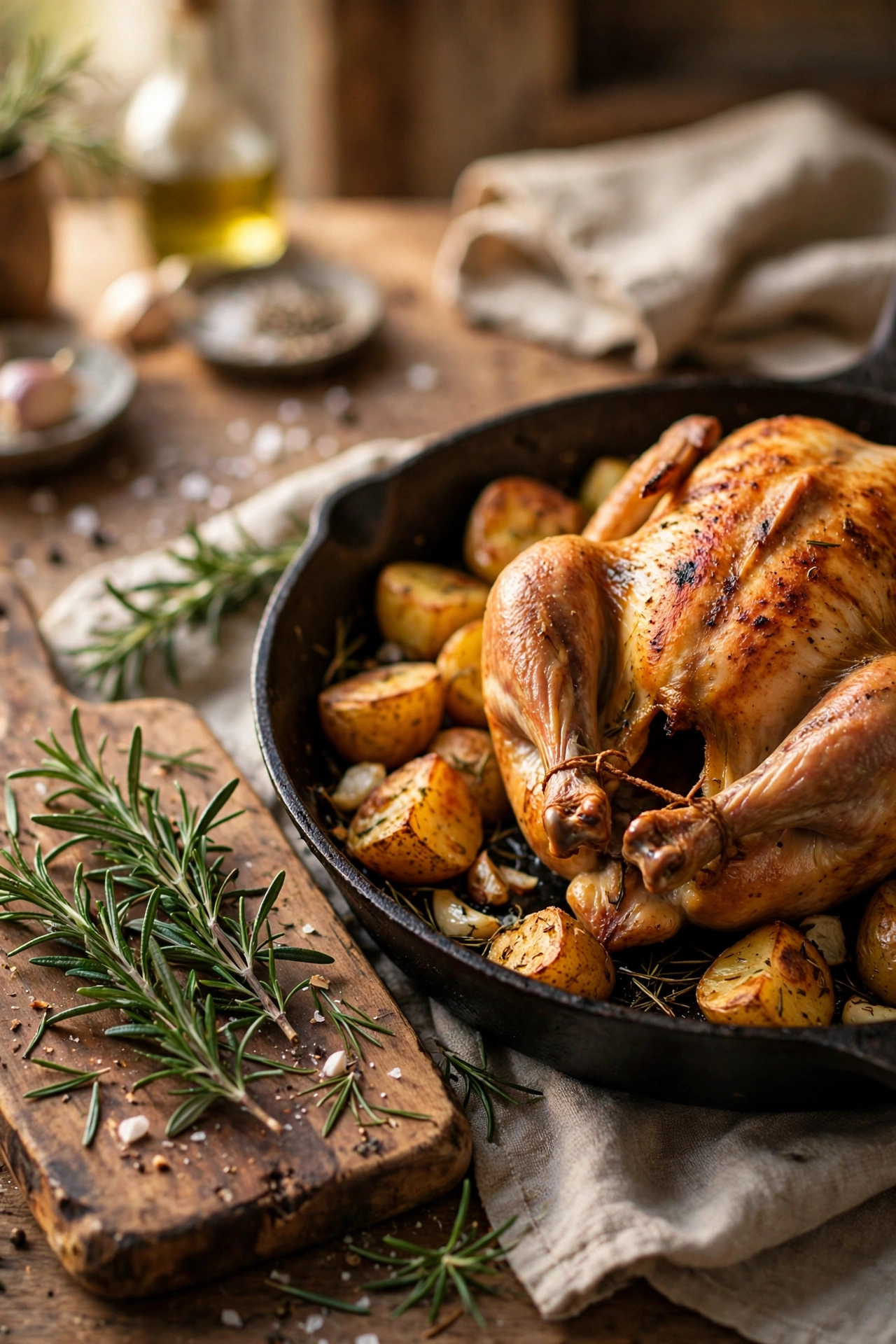
Toss chopped potatoes with olive oil, garlic, salt, pepper, and rosemary before roasting them until the edges turn crisp. Strip the leaves by running your fingers down the woody stem against the direction of growth. Chop the leaves finely so no one bites into a tough piece of stem.
5. Thyme
Thyme is a true all-purpose herb that works in soups, roasted vegetables, chicken dishes, sauces, beans, and casseroles. Of all the common culinary herbs ideas on this list, thyme is one of the most forgiving, since it holds up well during long cooking. Its tiny leaves add gentle earthy flavor without taking over the whole dish.

For soups and stews, add whole sprigs and pull the woody stems out before serving. This trick saves you from stripping tiny leaves one by one on a busy weeknight. Fresh thyme also dries well, so you can keep a jar in the pantry for days when fresh herbs run out.
6. Oregano
Oregano brings an earthy and peppery flavor to pizza, tomato sauce, Greek food, roasted vegetables, and grilled meats. Dried oregano tastes more concentrated than fresh oregano, so it works best in sauces and spice blends. Fresh oregano tastes softer and greener, so save it for finishing a dish.

Rub dried oregano between your fingers before you add it to a dish to release more aroma. If you make pizza or tomato sauce often, keep oregano in your pantry even if you never grow it. A small pinch is usually enough, since the flavor is strong and builds fast.
7. Mint
Mint is not just for tea and desserts, and it adds cool freshness to salads, yogurt sauces, grain dishes, drinks, and chutneys. Fresh mint with cucumber and yogurt makes a simple side dish taste much more thoughtful. The cool flavor also balances spicy or rich foods very well.

Grow mint in a pot, because it spreads fast and can take over a garden bed in one season. A container keeps the roots in check while still giving you plenty of leaves to pick. Snip the top leaves often to keep the plant bushy and full of fresh growth.
8. Sage
Sage has a warm and earthy flavor that suits butter, squash, potatoes, pork, chicken, and hearty autumn dishes. A simple brown butter and sage sauce looks fancy but takes only a few minutes to make. Crisp a few leaves in butter, then pour the flavored butter over pasta or roasted vegetables.

Start with a small amount of sage, because its flavor is strong and can easily dominate a dish. Taste as you go and add more only if the dish still needs it. Our fall kitchen decor ideas can help you style a cozy autumn kitchen for cooking with sage and squash.
9. Dill
Dill has a fresh and slightly grassy flavor that pairs well with cucumbers, potatoes, fish, eggs, pickles, and creamy sauces. Fresh dill in potato salad cuts through a rich dressing and keeps the dish from tasting too heavy. The feathery fronds also make a pretty garnish on fish and grain bowls.

Add dill near the end of cooking, since it is delicate and loses flavor with long heat. Harvest the plant often to get the most from it before it goes to seed. Do not mix up dill weed and dill seed at the store, because their flavors are related but not the same.
10. Chives
Chives are one of the easiest herbs to grow, and they need very little space or skill to thrive. Their mild onion flavor works on baked potatoes, eggs, soups, dips, salads, cream cheese, and creamy sauces. A small pot near a sunny window is often enough to get started.

Snip chives with scissors right from the plant whenever you need a small amount for a dish. The plant keeps growing back after each cut, so one pot can last all season. Our indoor herb garden ideas show more herbs that grow well in small pots by a sunny window.
11. Tarragon
Tarragon has a distinctive flavor with a light anise note, so it is not the most universal herb on this list. When a recipe calls for tarragon, though, almost nothing else can replace it. It shines with chicken, eggs, creamy sauces, fish, and light vinaigrettes.

Start with a small amount, because tarragon can turn dominant faster than you might expect. Fresh tarragon works best in cold sauces and dressings, where you can taste its delicate flavor clearly. A little tarragon can turn a plain chicken salad into something much more interesting.
12. Marjoram
Marjoram looks a lot like oregano, but it tastes softer and sweeter with a gentle earthy note. It works well with vegetables, poultry, beans, soups, stuffing, and meat dishes. Marjoram is a good pick when several mild flavors need to work together without one herb taking over.

Add marjoram later in cooking than you would a tough herb like rosemary, since heat fades its delicate flavor. If you already grow oregano, marjoram is still worth trying when you enjoy testing new flavors. Keep the leaves whole or chop them lightly just before you use them.
13. Bay Leaves
Bay leaves work differently from most herbs, because you do not eat the leaf itself. You add one or two whole leaves to soups, stews, beans, rice dishes, and sauces while they simmer. The leaves add a subtle background flavor that makes the whole dish taste deeper.

Remove the leaves before serving, and count them as you add them so none stays hidden in the pot. Dried bay leaves are cheap, last for months in the pantry, and work just as well as fresh ones. One leaf is usually enough for a large pot of soup or stew.
14. Chervil
Chervil is less common in American grocery stores, but it is worth knowing if you like delicate herbs. Its mild flavor carries soft notes of parsley and anise that suit eggs, salads, soups, fish, and light sauces. Fresh chervil tastes much better than dried chervil, so buy or grow it fresh when you can.

Treat chervil as a finishing herb and add it at the end of cooking so its mild flavor does not disappear. The lacy leaves look pretty scattered over a finished dish, almost like a soft green garnish. Grow it in a cool spot with light shade, since hot sun can make it bolt fast.
15. Fennel Fronds
Fennel fronds are the feathery green tops of a fennel bulb, and too many cooks throw them away. They carry a light licorice flavor that works beautifully with fish, salads, vegetables, and soups. The fronds give you fennel flavor without adding another whole vegetable to the dish.

Chop the fronds and scatter them over finished dishes much like you would use dill. Store the fronds apart from the bulb, because they wilt faster than the firm bulb does. Keep them dry and cool in the fridge, and use them within a day or two for the best flavor.
16. Lemon Balm
Lemon balm smells bright and lemony, and it works well in drinks, fruit salads, teas, desserts, and light sauces. A few torn leaves can make a simple glass of iced tea or a fruit salad feel a little more special. It is not an everyday cooking herb, but it is a lovely one to have on hand.

Tear or chop the leaves just before you use them, since their citrus aroma fades fast once cut. Grow lemon balm in a container, because it spreads aggressively just like mint does. A pot on a sunny step keeps it close to the kitchen and easy to pick.
17. Sorrel
Sorrel has a naturally tart and lemony flavor that adds acidity without lemon juice or vinegar. Young leaves work well in salads, sauces, soups, and egg dishes, and a small amount goes a long way. The sour note also balances rich and creamy foods very nicely.

Pick young leaves for the mildest flavor, since older leaves can taste very sharp and tough. Pair sorrel with butter, cream, or eggs when you want its acidity to shine without taking over. It is a fun herb to grow if you enjoy building a more adventurous kitchen garden.
18. Savory
Savory is not as famous as basil or oregano, but it is worth knowing if you cook beans often. Its peppery and herbaceous flavor suits legumes, vegetables, meats, and stuffing very well. There are summer and winter types, and each one has a slightly different flavor and growing habit.

Start with a small amount of dried savory, because its flavor grows stronger as the dish cooks. Add it early enough to blend in, then taste near the end before you add more. Savory is a useful herb for hearty winter meals and slow-cooked bean dishes.
19. Lemongrass
Lemongrass brings a citrusy and aromatic flavor that suits Thai and Southeast Asian cooking. It works especially well in curries, soups, marinades, sauces, and noodle dishes. The fresh stalks add bright flavor that dried lemongrass cannot quite match.

Cut away the woody outer layers and use the tender lower part of the stalk. Bruise the stalk with the side of a knife to release its aromatic oils before you add it to a pot. Remove the tough stalk before serving, since it is there for flavor and not for eating.
20. Lavender
Culinary lavender needs care, because not every lavender sold for scent or decoration is safe to eat. Buy culinary-grade lavender when you plan to use it in food, and check the label before you cook with it. Its floral flavor works best in small amounts in baked goods, syrups, teas, and desserts.

Less is truly more with lavender, since too much can make food taste like perfume instead of dessert. Start with a tiny pinch and add more only if the dish still needs it. Treat lavender as a specialty herb, not an everyday staple, and save it for recipes where floral notes shine.
21. Stevia
Stevia is an herb-like plant grown for its naturally sweet leaves rather than for savory seasoning. The leaves can add sweetness to drinks and some recipes, though the flavor may carry a light aftertaste. It is useful if you like growing edible plants that serve one clear purpose.

Taste a small fresh leaf first, because the sweetness is surprisingly concentrated and a little goes far. Do not treat stevia as a one-for-one swap for sugar in baking, since sugar adds bulk and structure too. Grow it in a sunny spot and pick the leaves fresh for tea and cold drinks.
22. Garlic Chives
Garlic chives look like regular chives, but they carry a clear garlic flavor in their flat leaves. They work well in stir-fries, dumplings, eggs, noodles, sauces, and savory pancakes. The mild garlic note is handy when you want garlic flavor without peeling several cloves.
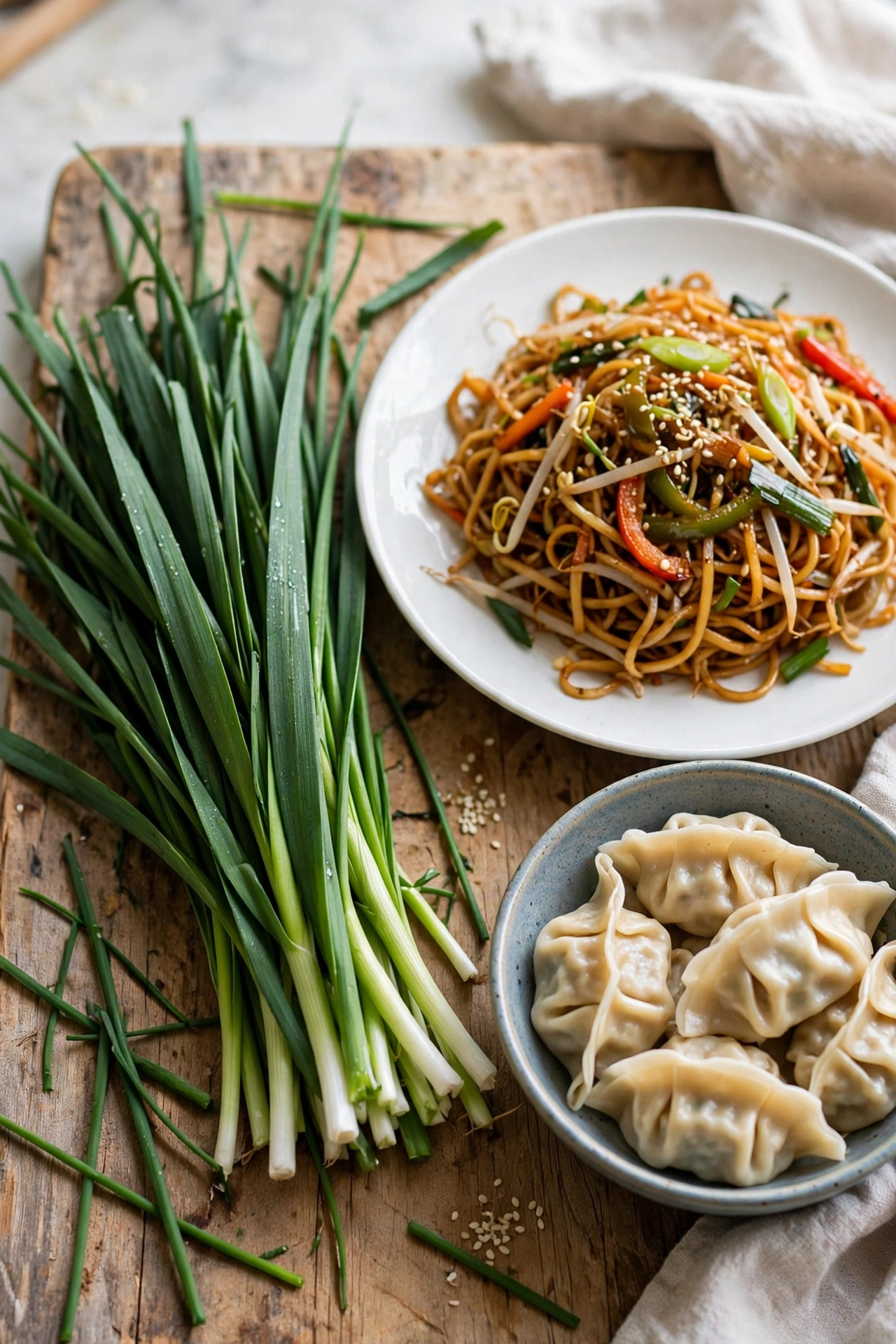
Snip the flat leaves easily with scissors, and add them near the end of cooking to keep their fresh flavor. Longer cooking softens the garlic note and makes it much less noticeable in the dish. The plant grows well in a small kitchen garden and comes back after each cut.
FAQs
Should I use fresh or dried herbs in cooking?
Fresh herbs work best for delicate flavors like basil, parsley, cilantro, mint, and dill. Dried herbs work well for strong flavors like oregano, rosemary, thyme, and bay leaves. When in doubt, use fresh herbs for finishing and dried herbs for long cooking.
How do I start a small kitchen herb garden?
Start with five easy herbs like basil, parsley, chives, thyme, and mint in pots with drainage holes. Place the pots on a sunny windowsill and water only when the top soil feels dry to the touch. The Royal Horticultural Society shares herb growing guides that cover soil, sun, and watering for many kitchen herbs.
Which herbs are best for beginners?
The best common culinary herbs ideas for beginners start with parsley, basil, thyme, oregano, and chives. These five cover pasta, soups, salads, eggs, and roasted vegetables without much fuss. Once you use them well, you can add rosemary, mint, cilantro, and dill with confidence.
How much do common culinary herbs cost?
Fresh bunches cost a few dollars each at the store, and dried jars cost even less per use. Living plants cost more up front, but one healthy plant can give you fresh leaves for months. Growing the herbs you use most often is usually the best value over time.
Which herbs should I buy first?
Buy basil first for pasta, tomatoes, sandwiches, and pizza, then add parsley for almost everything else. Keep thyme and oregano on hand for cooked dishes, and add chives for quick meals like eggs and baked potatoes. After that, choose new herbs based on the dishes you cook most often.
Final Thoughts
These 22 herbs give you plenty of flavor to explore, but you do not need to buy or grow all of them at once. Start with the five herbs you already enjoy, and learn to use them well in your everyday cooking. A small set of fresh herbs can change how your meals taste within a single week.
Keep your herbs where you can see them, and pick a few leaves each time you cook. The Spruce has a helpful herb gardening guide if you want more detail on soil, containers, and watering. Once the first five herbs feel easy, adding rosemary, mint, cilantro, and dill becomes simple and fun.