Pendant Lights vs Chandeliers: 19 Things to Know Before You Decide
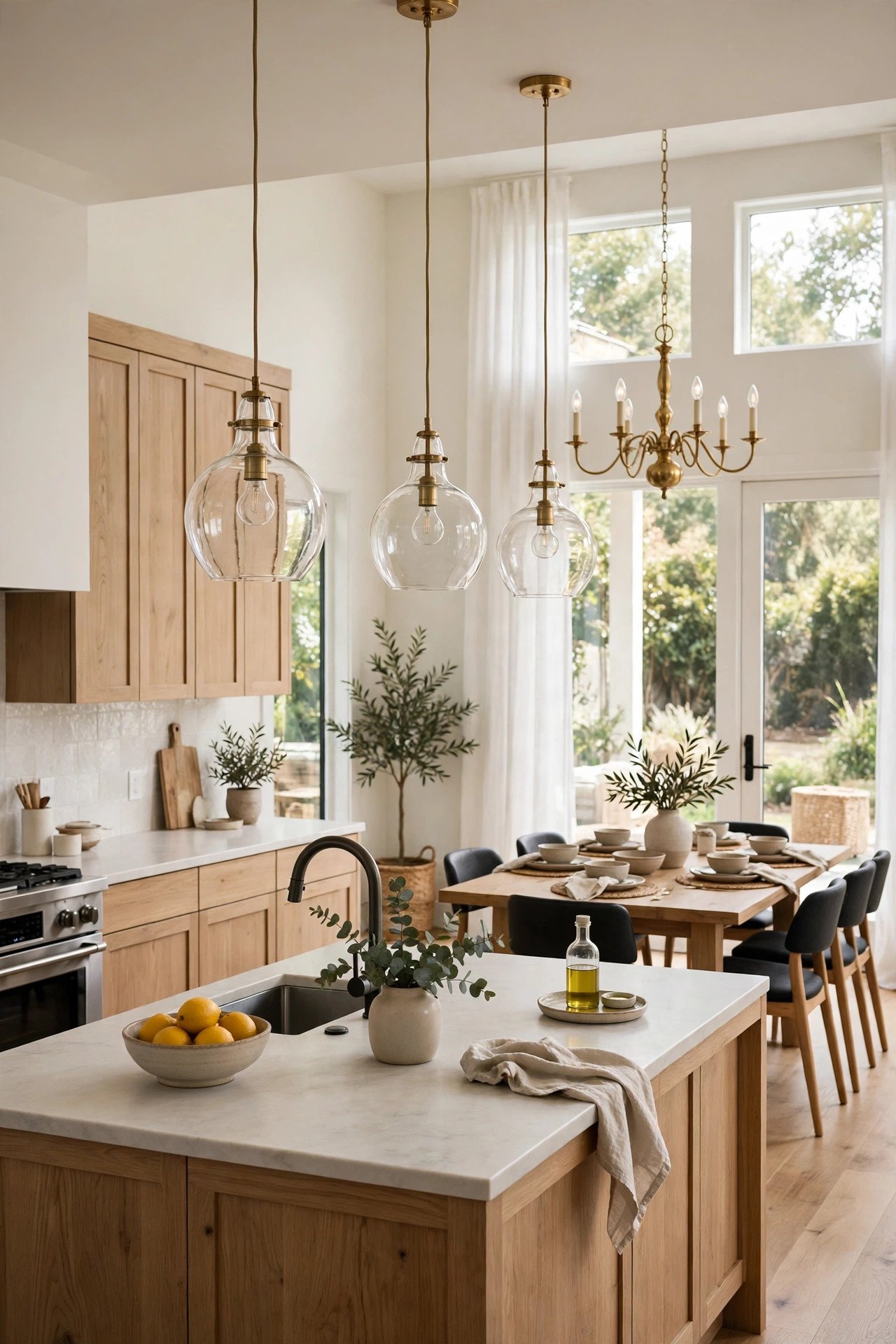
If you have ever stood in a lighting aisle wondering about pendant lights vs chandeliers, you know how hard the choice can feel. Both hang from the ceiling, both make a room glow, and both can completely change how a space feels at night. The trick is knowing which one fits each room, because the right light depends on the job it has to do.
This guide compares 19 honest points, one room at a time, so you can see where pendants win and where chandeliers win. Each point looks at a real room in your home, from the kitchen island to the nursery, with practical tips you can use today. By the end, you will know exactly which fixture belongs where, and how to mix both without a single regret.
1. Pendant Lights for Kitchen Islands: No More Shadows on Your Chopping Board
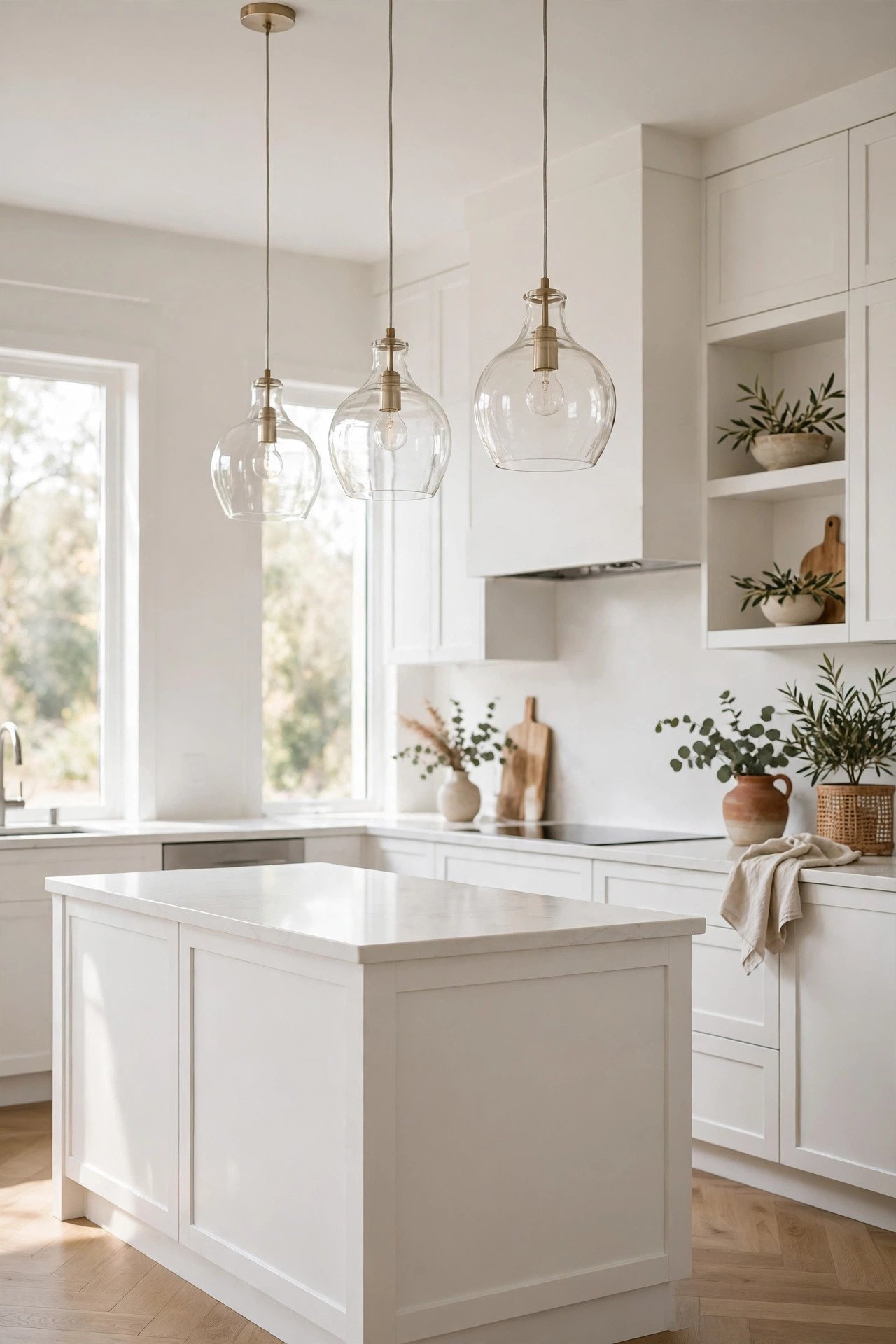
A kitchen island is a work surface first, so the light above it has to help you see what you are doing. Pendant lights hang low and aim their glow straight down, which means your chopping board stays bright and shadow-free. A chandelier spreads light in every direction, so your own head and shoulders can cast shadows right where you chop.
Hang two or three small pendants in a row, spaced evenly above the island, for the cleanest look. Glass or metal shades work best, because they push the light down instead of scattering it around the room. Keep them about 30 to 36 inches above the counter, so the light is close without blocking your view across the kitchen.
2. Chandeliers for Dining Tables: Where the Drama Belongs
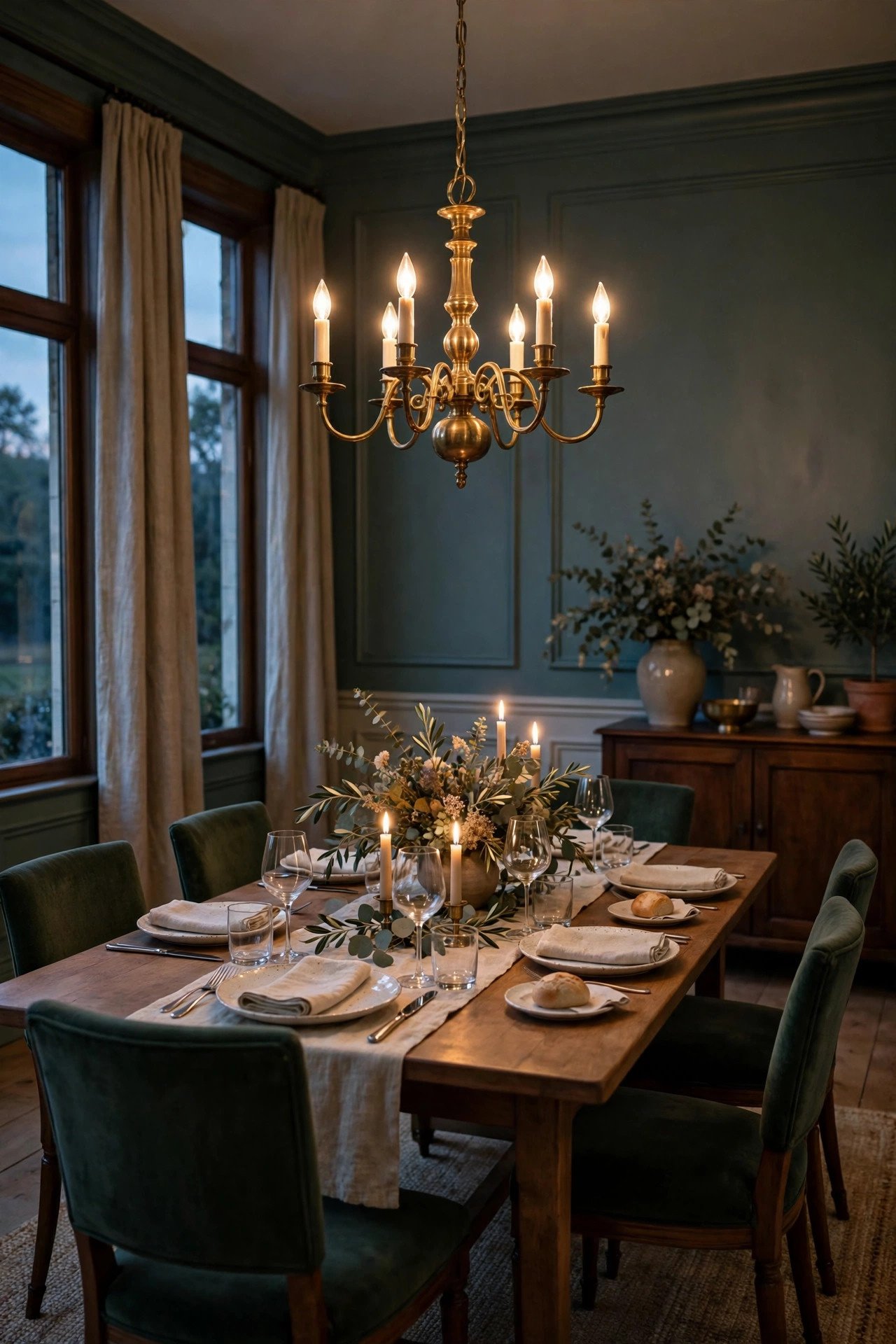
A dining table is where meals turn into memories, so the light above it should feel warm and flattering. A chandelier spreads soft, diffused light across the whole table, which makes everyone look good and every dinner feel special. A single pendant over a dining table can feel flat and office-like, because its narrow beam leaves the corners of the room in shadow.
Scale is the secret, because a chandelier that is too small looks lost and one that is too big overwhelms the table. Measure your table width and subtract about 12 inches, and that number is the widest your chandelier should be. Put it on a dimmer switch, because low light turns an ordinary Tuesday dinner into a small celebration.
3. Pendant Lights for Small Bedrooms: Free Up Your Nightstand
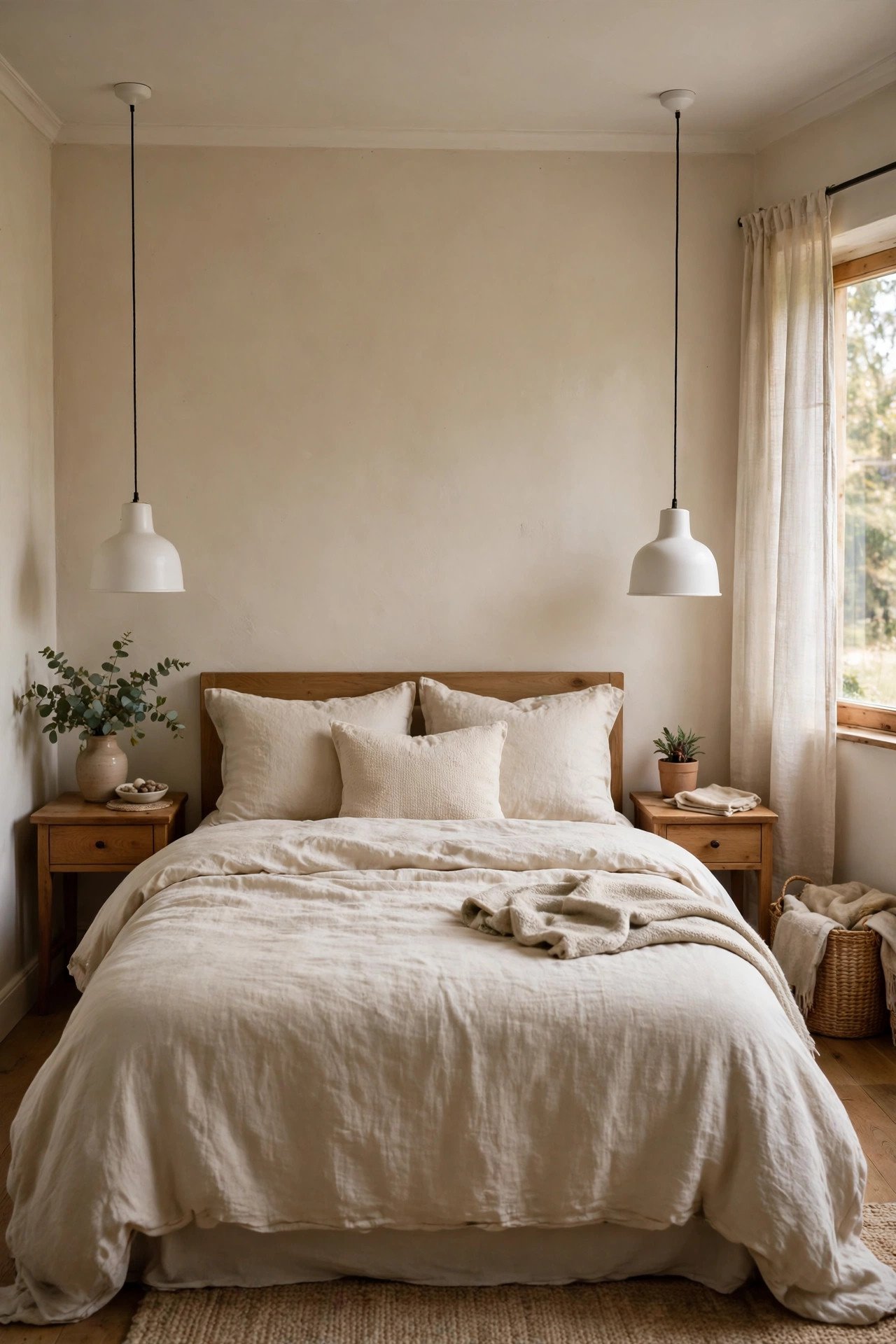
When you weigh pendant lights vs chandeliers for a small bedroom, pendants win on pure practicality. A pendant hung on each side of the bed frees your nightstand completely, because there is no lamp base taking up precious surface space. No cords snake across the table, no lamp gets knocked over in the dark, and the room instantly feels bigger.
Hang each pendant about 24 to 28 inches above the nightstand surface, so the light lands right where you read. Plug-in cord kits make this renter-friendly, because you can hang them from a ceiling hook without an electrician. Our guide to best lighting options for small apartments has more small-space lighting tricks that work the same clever way.
4. Chandeliers in Entryways: First Impressions That Last
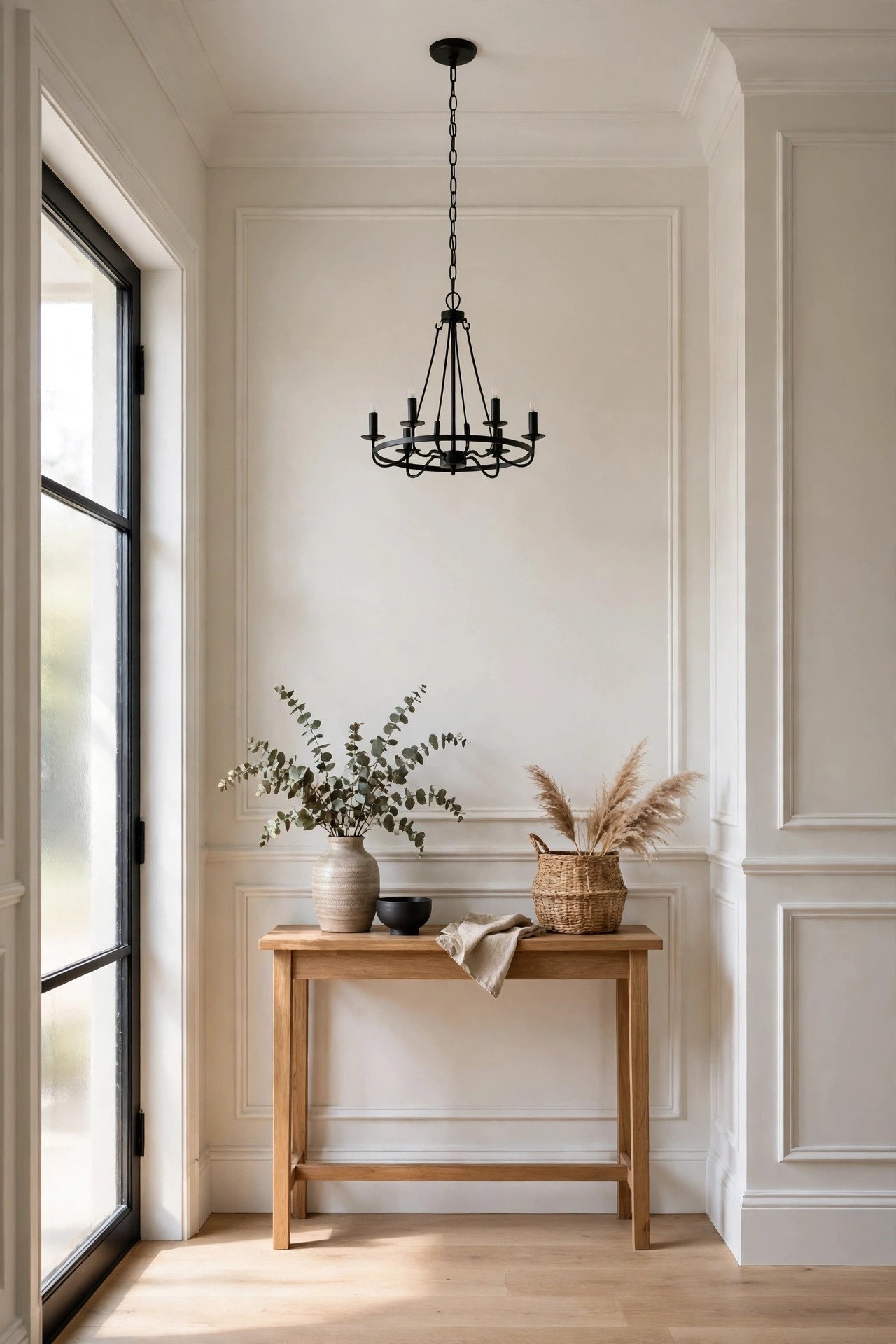
The entryway is the first thing guests see, so the light there sets the tone for your whole home. A chandelier says welcome in a way a small pendant never can, because its shape and sparkle fill the space with warmth. Even a simple black metal or warm brass chandelier can turn a plain hallway entrance into a moment worth noticing.
Hang it so the bottom sits at least seven feet above the floor, because nobody should have to duck under their own light. Open, airy designs work best in small entries, since they do not block sightlines into the rest of the home. A plug-in chandelier with a swag kit can work in a rental too, and your landlord may even ask you to leave it behind.
5. Pendant Lights for Reading Nooks: Focused Light for Cozy Corners
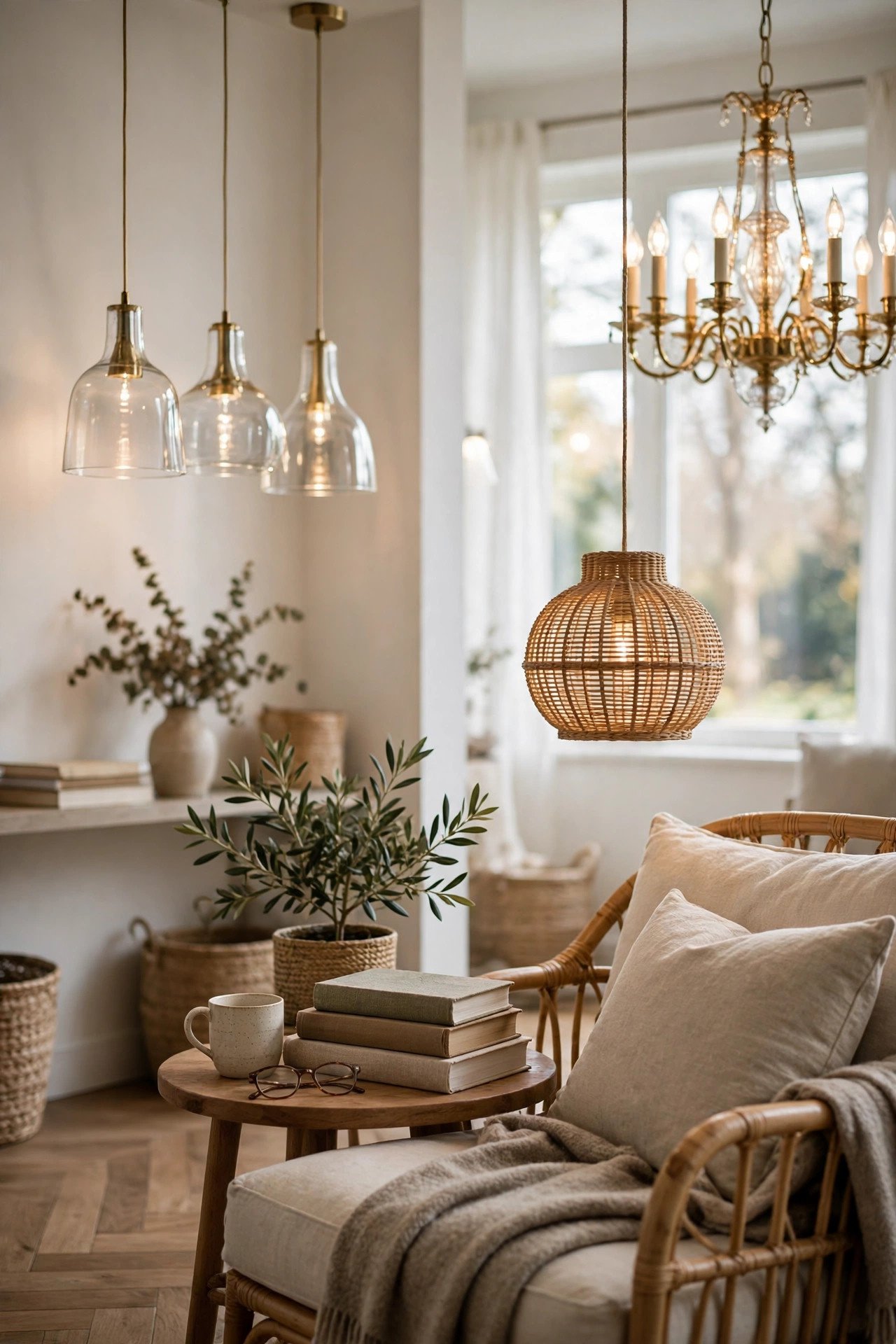
When you compare pendant lights vs chandeliers for a reading nook, the pendant wins without a contest. A reading nook needs focused, directional light that lands on the page, and a chandelier scatters its glow in every direction instead. A pendant drops right where you need it and wraps the chair in a warm, cocoon-like pool of light.
Hang a small rattan or woven pendant beside the chair, about 26 to 30 inches above the seat, for the coziest effect. Choose a warm bulb around 2700K, because cool white light kills the cozy mood faster than anything else. Our guide to small living room decor ideas shows how one well-placed light can turn a corner into your favorite spot in the house.
6. Chandeliers in Bedrooms: Jewelry for Your Ceiling
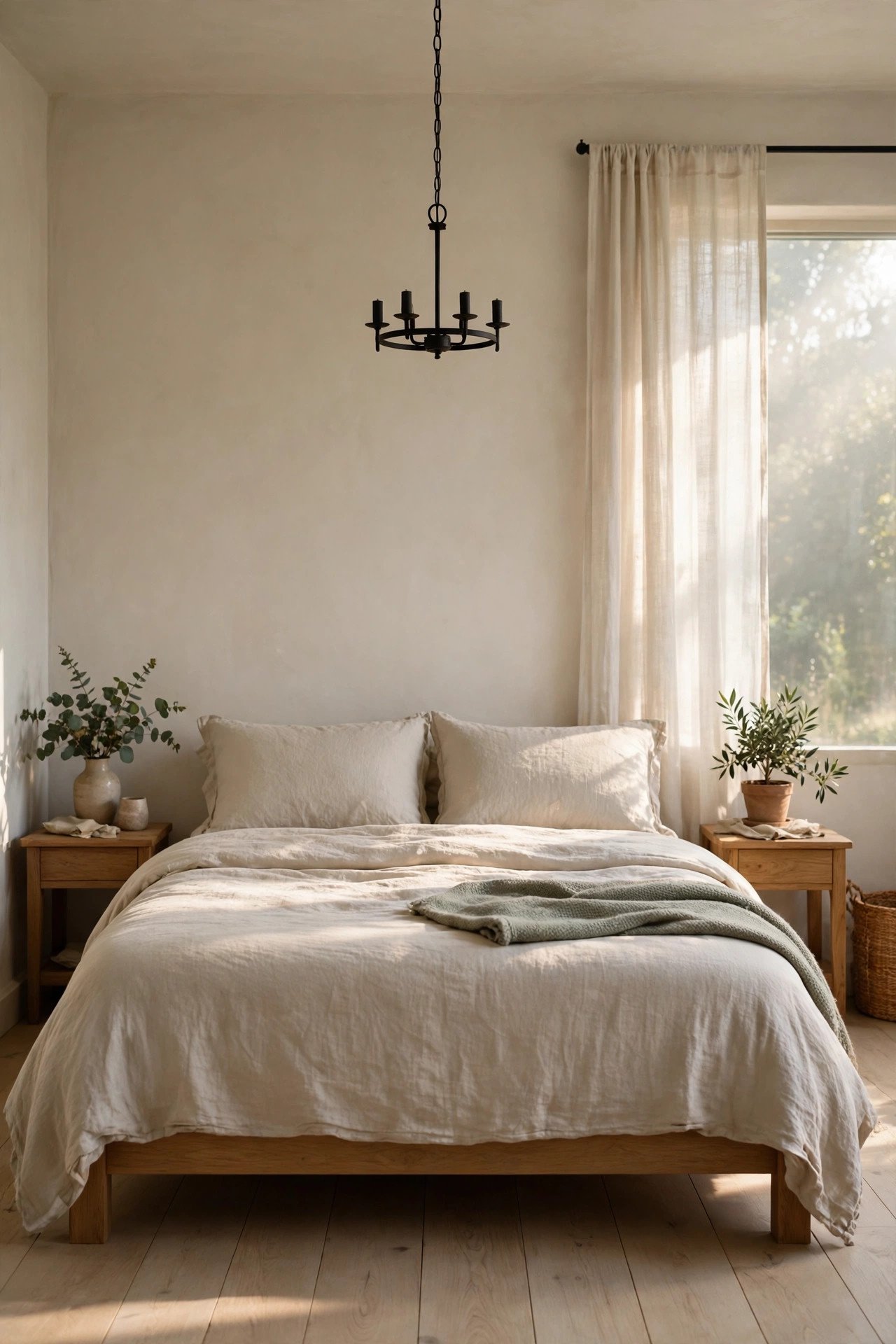
A bedroom chandelier does not just light the room, because it changes how you feel when you wake up in it. A pendant feels like a light, but a chandelier feels like jewelry for your ceiling, and you deserve a little fancy where you start and end every day. A small, understated chandelier in black iron or soft brass adds elegance without shouting for attention.
Keep it modest in size, because a huge chandelier over a bed can feel heavy and overwhelming. A mini chandelier or a flush-mount chandelier is the sweet spot, hung at least seven feet above the floor. Our guide to mid century modern lighting ideas can help you pick a chandelier style that matches your bedroom perfectly.
7. Pendant Lights Over Bathtubs: The Viral Spa Moment
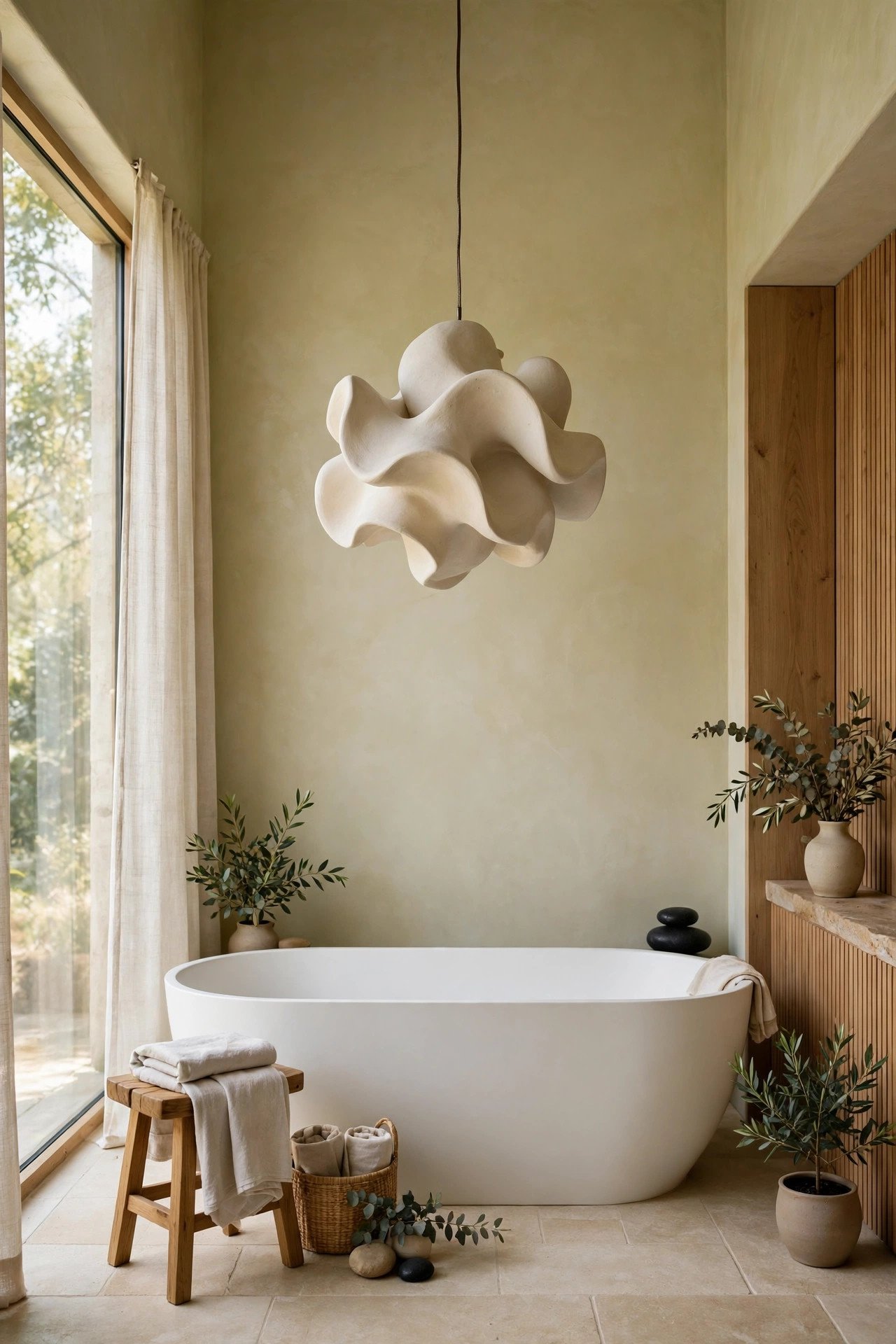
A single sculptural pendant over a freestanding tub turns an ordinary bathroom into a spa, and the look is everywhere for good reason. The pendant draws your eye down to the tub and makes the whole bath feel intentional, like a ritual instead of a routine. A chandelier over water feels risky and scattered, while a pendant keeps the focus exactly where you want it.
Safety comes first, so always choose a damp-rated fixture and keep it well clear of splashes. Hang it so the bottom is at least eight feet from the tub rim, and use a warm bulb for that hotel-spa glow. A plug-in swag kit can work in a rental bathroom too, with no wiring and no landlord drama.
8. Chandeliers in Small Powder Bathrooms: A Tiny Room With a Big Pop
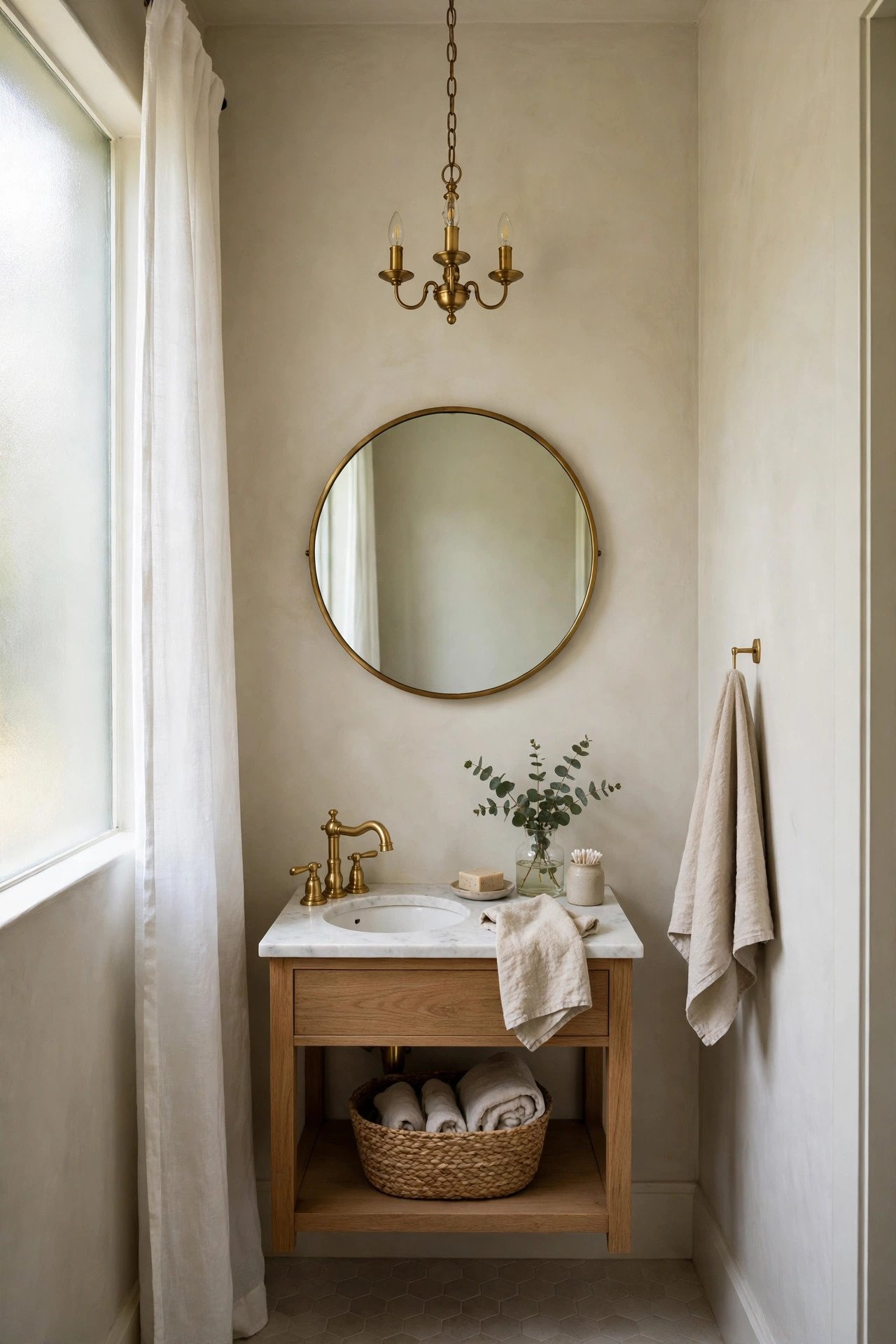
A powder bathroom is small, so you might think a chandelier would never fit, but that is exactly why it works. Guests only spend a few minutes in there, so you do not need task lighting, and a mini chandelier gives them something beautiful to remember. A bold color or an interesting material like wood beads, black metal, or aged brass turns a plain little room into an editorial moment.
Look for a width under 16 inches, because anything bigger will crowd the mirror and the walls. Style it with a simple mirror and let the chandelier be the star, since the room is too small for two statements. A dimmer is a smart extra, because soft light flatters everyone who walks in.
9. Pendant Lights for Stairwells: Light That Travels Down With You
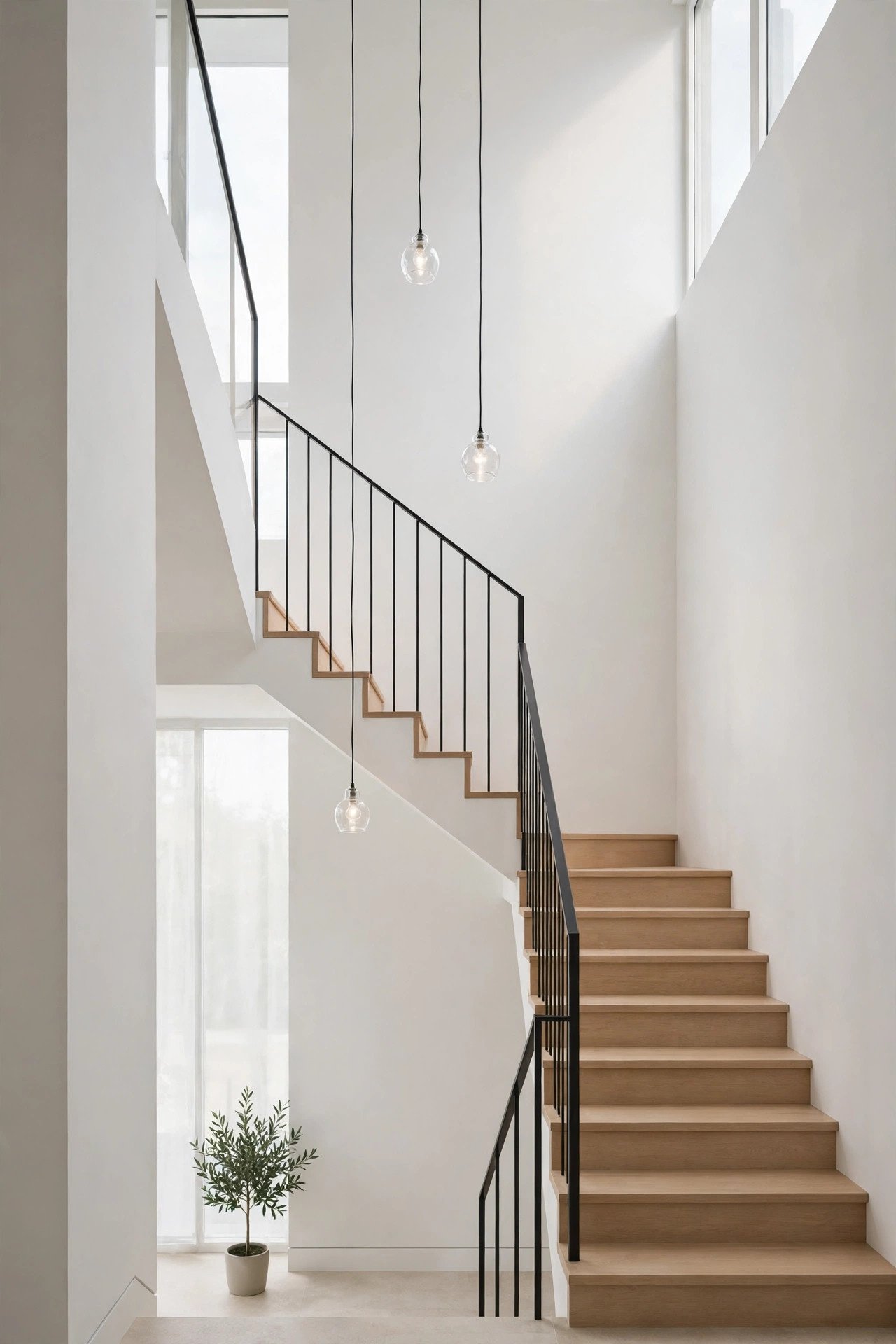
Tall, narrow stairwells are some of the darkest spots in a home, because one ceiling light at the top leaves the stairs themselves in shadow. Pendants win here, because they can hang down into the space and put light exactly where your feet land. A chandelier stays too high and mostly lights the ceiling, while a small flush-mount barely reaches past the first step.
Try a linear pendant or a cluster of three small pendants hung at staggered heights for a look that feels like functional art. Leave at least seven feet of clearance above each stair, so tall guests never bump their heads. See the Whispering Homes guide to pendant lights vs chandeliers for a clear side-by-side look at how each fixture handles tall spaces.
10. Chandeliers in Walk-In Closets: Get-Ready Energy
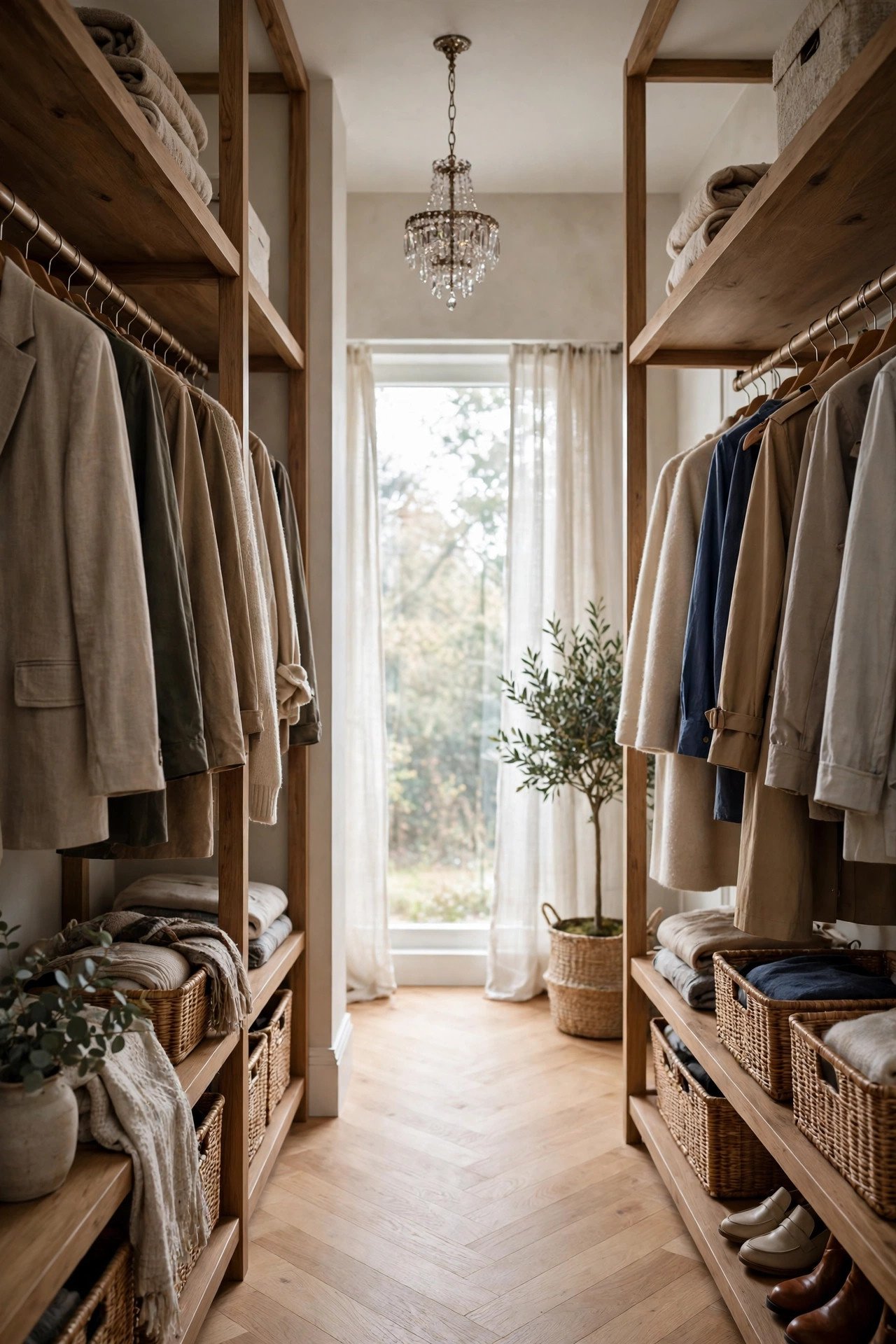
A chandelier in a walk-in closet sounds extra, but it changes how you feel about getting dressed every single morning. The sparkle makes an everyday moment feel special, and suddenly picking out clothes feels like a small treat instead of a chore. A pendant in a closet feels plain and practical, while a chandelier adds the little bit of magic the room deserves.
Keep it small, because a mini chandelier or a small flush-mount chandelier is plenty for a standard closet. Stay under 14 inches wide, and use bright bulbs around 3000K so you can actually see true outfit colors. You do not need anything expensive, because a simple pretty fixture from a budget store does the job beautifully.
11. Pendant Lights for Home Offices: Focus Without the Fluorescent Glare
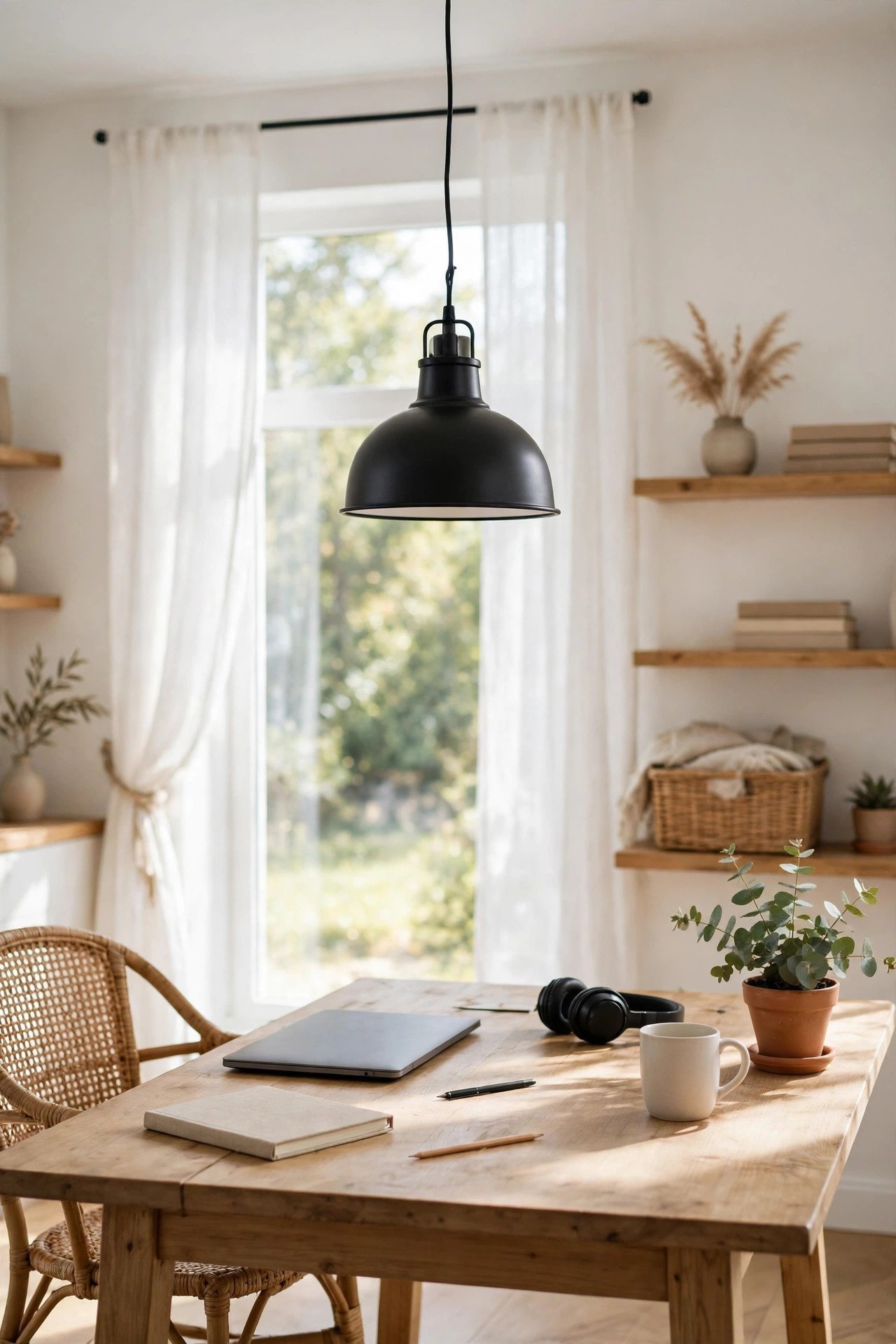
A home office needs focused light that helps you work, not a statement piece that distracts you at nine in the morning. A pendant gives you a clean cone of direct task light over your desk, with no overhead glare and no shadows on your keyboard. A chandelier in an office feels like too much for a workday, because its scattered glow fights with your screen instead of helping it.
Center the pendant over your desk, not the middle of the room, so the light lands exactly where you type. Choose an adjustable cord, because you can raise or lower the light as your setup changes over time. A black metal or simple glass pendant suits almost any office style, from modern to cozy cottage.
12. Chandeliers Over Kitchen Sinks: The Unexpected Joy
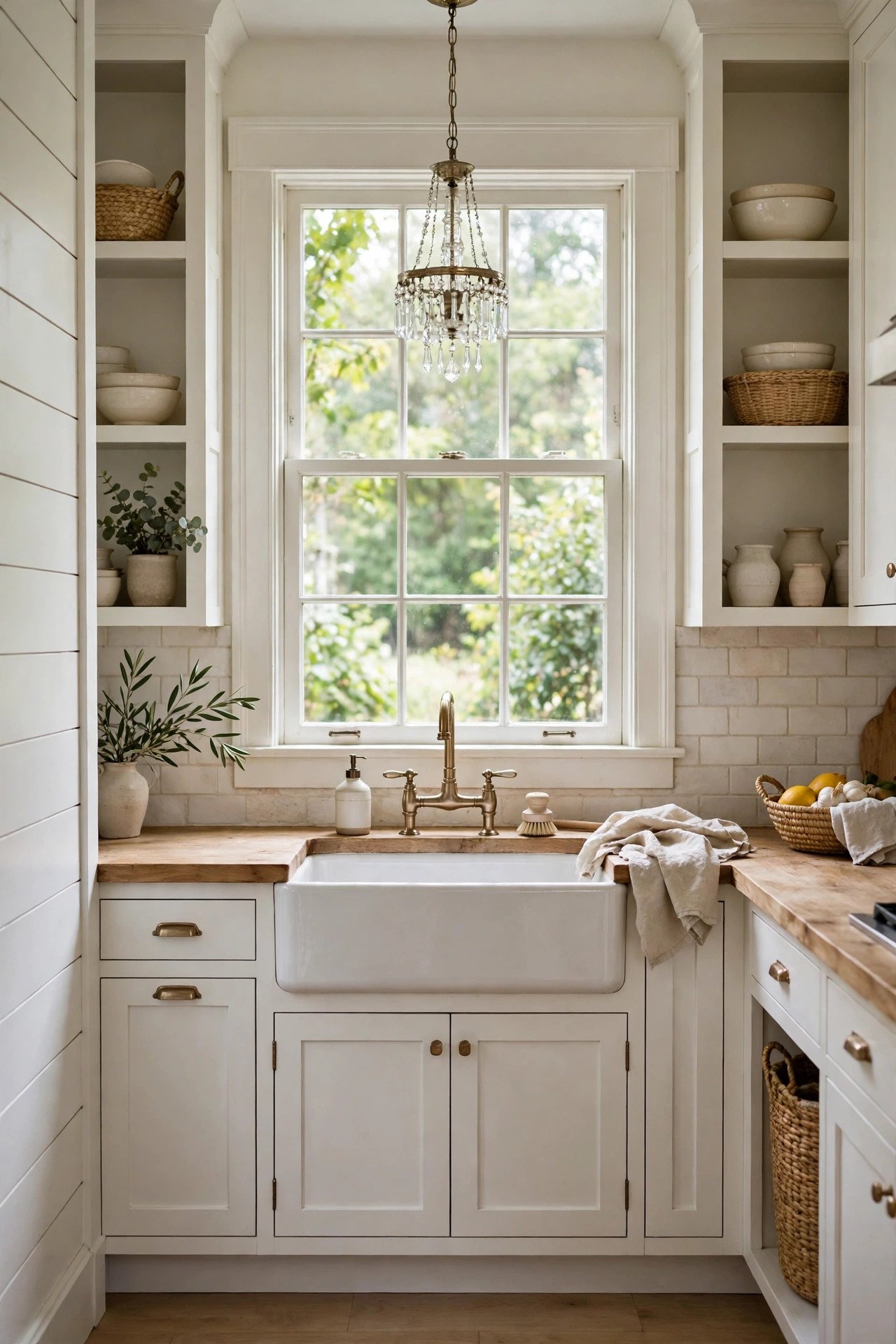
A chandelier over the kitchen sink sounds surprising, but it works because the sink is a small, contained spot where a little fancy feels delightful. Most sinks sit under a window or against a wall, so a tiny mini chandelier adds charm without getting in the way of cooking. A pendant over the sink is the safe choice, yet the chandelier is the one that makes guests stop and smile.
Hang it about 30 to 36 inches above the sink rim, so it stays clear of splashes and steam. Pick easy-clean materials like glass over fabric, because kitchen grease and fabric shades are not friends. See the Seus Lighting guide to chandelier vs pendant light for a practical look at which fixture suits each kitchen spot.
13. Pendant Lights for Hallways: Even Light From End to End
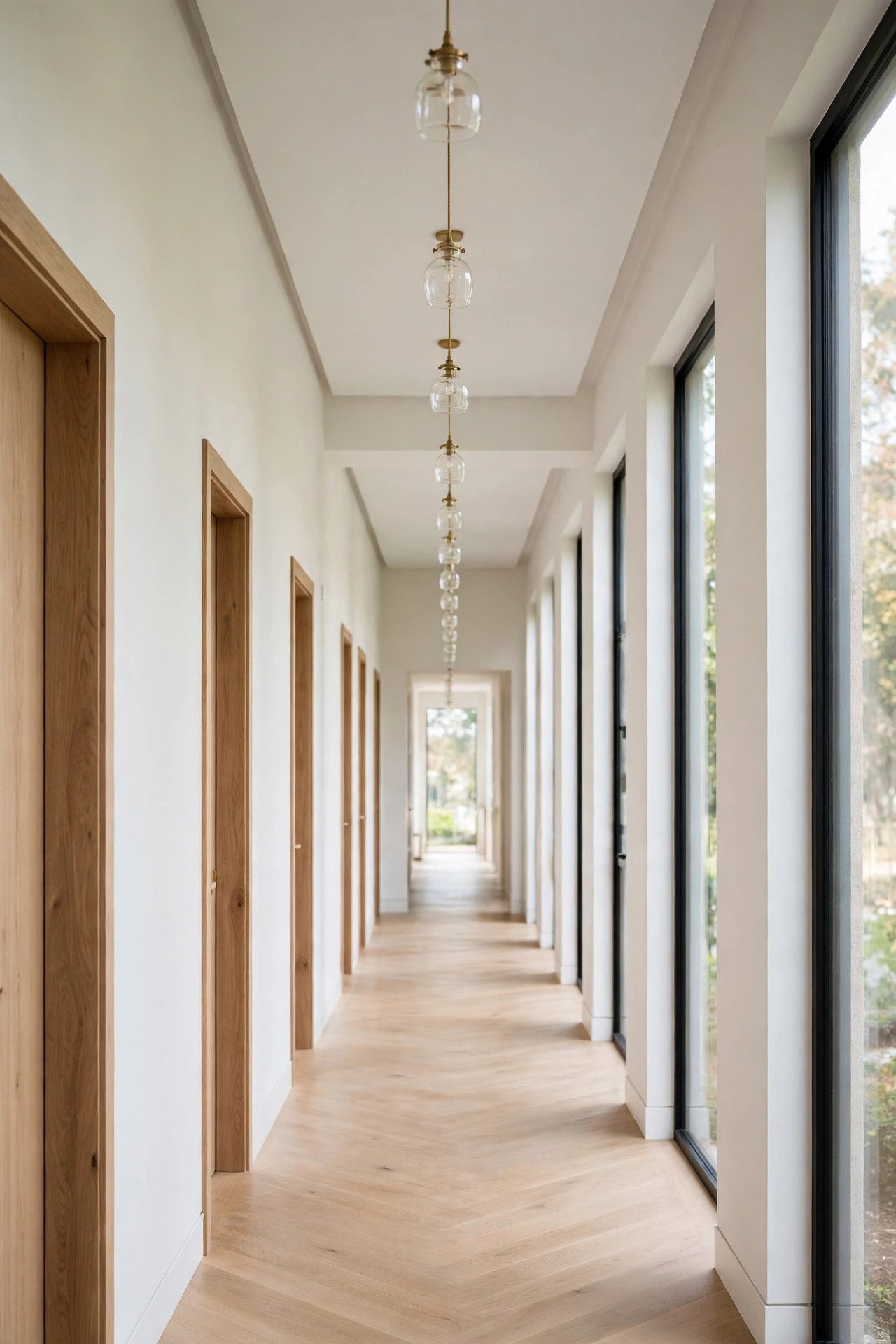
Long, dark hallways are a common problem, because a single light in the middle leaves both ends in shadow. A series of small pendants or one linear multi-pendant fixture solves it, since the light spreads evenly along the whole hall. A single chandelier in a hallway looks odd, because it is too centralized and leaves the ends dark.
Space your pendants evenly, about one every six to eight feet, and keep them small so they never block the walking path. Hang them at least six feet eight inches from the floor to the bottom of the fixture, so nobody brushes against them. Plug-in swag kits with cord covers make this rental-friendly, because you can hang pendants from hooks without drilling into joists.
14. Chandeliers in Nurseries: Soft Light for Sleepless Nights
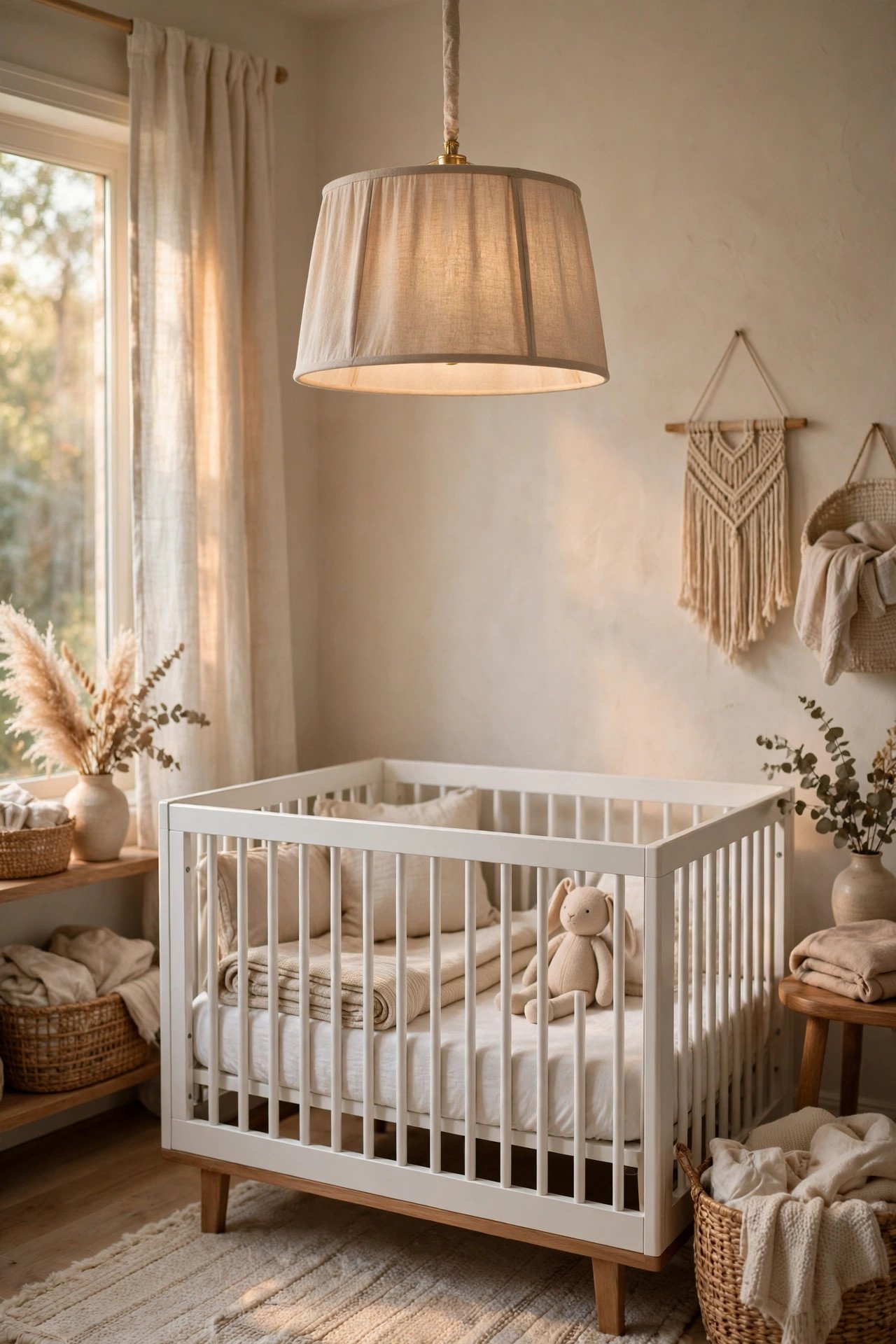
A nursery needs gentle, diffused light for those middle-of-the-night feedings, and a chandelier spreads its glow softly across the whole room. A pendant would be too directional and harsh, because its narrow beam wakes everyone up instead of keeping the room calm. A soft fabric-shaded chandelier gives you enough light to see, yet stays gentle enough that nobody fully wakes up.
Choose fabric or wood over glass or crystal, because dangly pieces and small parts have no place above a baby. A dimmer switch is non-negotiable in a nursery, since you need to slide the light down to almost nothing at three in the morning. A simple fabric drum chandelier or a wooden bead chandelier is safe, soft, and beautiful all at once.
15. Pendant Lights Over Kitchen Tables: Casual Everyday Dining
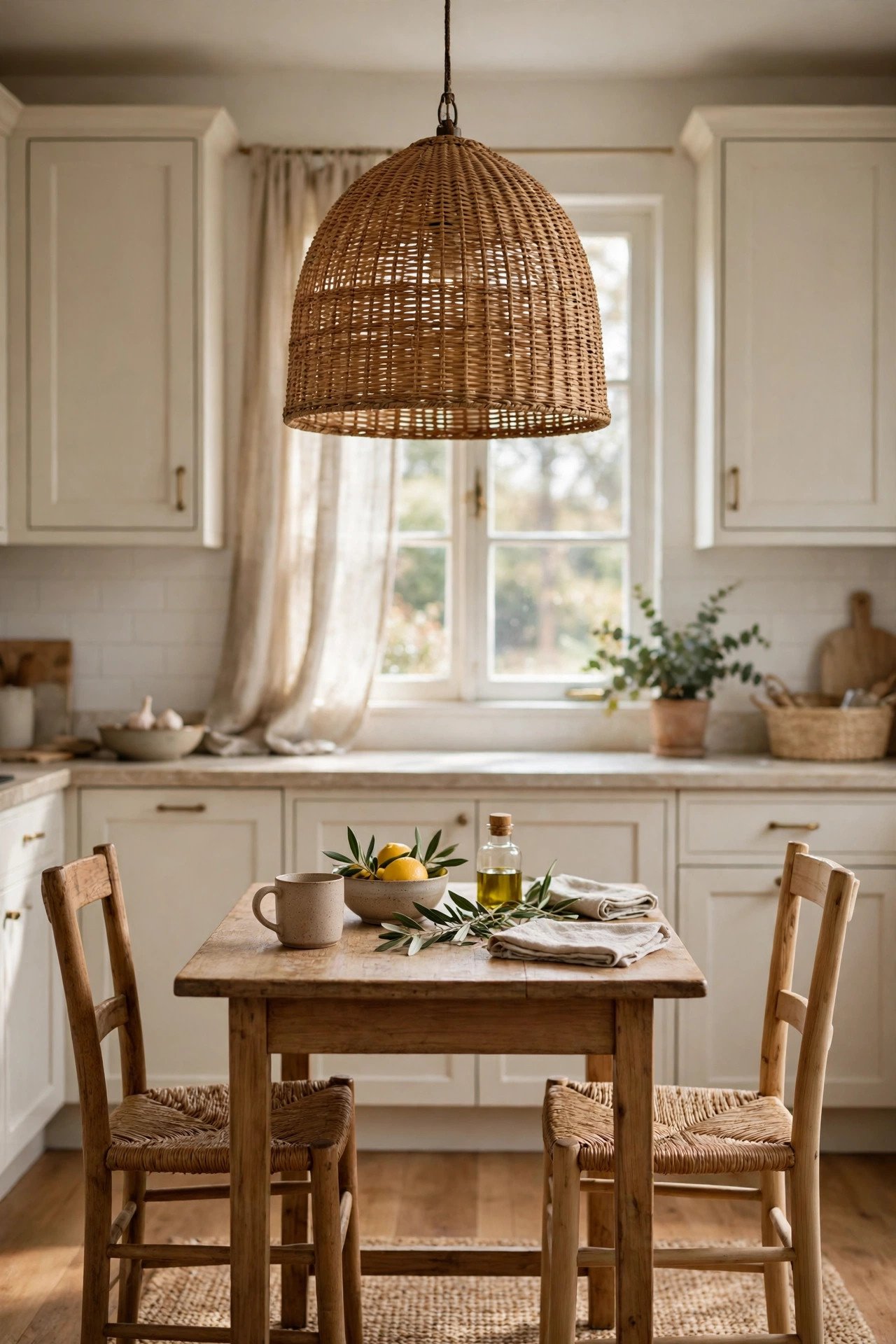
A formal dining room deserves a chandelier, but a small eat-in kitchen table is a different story altogether. A pendant over a kitchen table feels casual and practical, because it says sit here and eat your cereal without pretending it is a dinner party. The pendant hangs lower than a chandelier would, which creates intimacy even in the smallest kitchen corner.
Center it directly over the table, not the middle of the room, so the light lands on the plates and not the floor. Hang it about 28 to 32 inches above the table surface, and pick a shade that matches your kitchen style. A single oversized rattan pendant can turn a tiny kitchen table into the coziest spot in the whole apartment.
16. Chandeliers on High Ceilings: Finally, Something That Fits
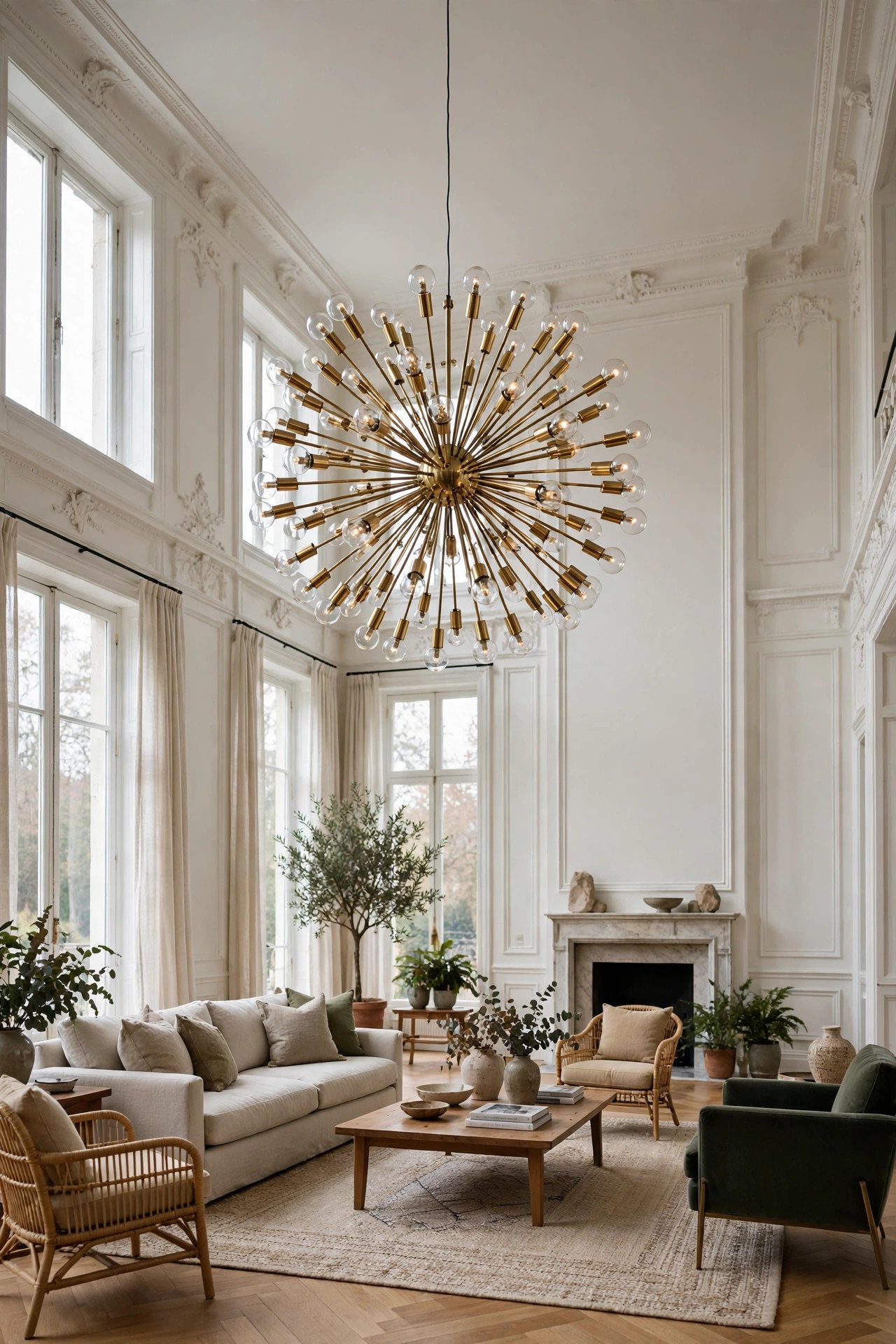
If your ceilings are ten feet or taller, a pendant can look like a lonely little bulb floating in a vast empty space. A chandelier fills the vertical void and brings the visual weight down to where people actually live, which is exactly what a tall room needs. A chandelier that would overwhelm a normal ceiling looks perfectly scaled in a tall room, so do not be afraid to go large.
Add about three inches of chandelier height for every extra foot of ceiling above eight feet, and the proportions will feel right. Hang it so the bottom sits seven feet above the floor, keeping it grand without becoming a hazard. A big sputnik or globe chandelier in a tall living room becomes the room’s best feature, and guests will notice it first.
17. Pendant Lights in Basements: Low Ceilings Need Help
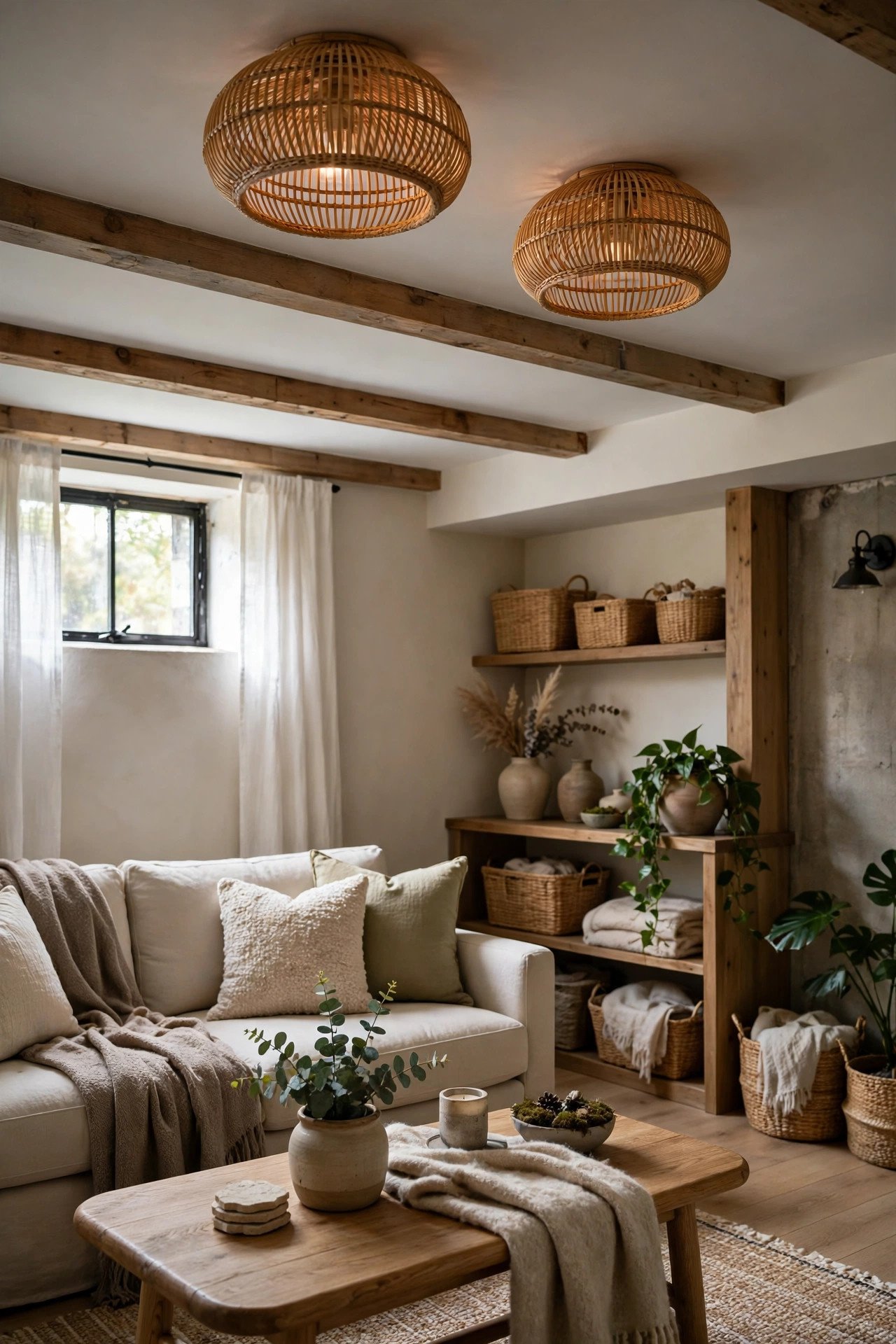
Basements have low ceilings, so chandeliers are usually out of the question, because they need vertical clearance that a basement simply does not have. Pendants are the practical answer, and the trick is to use a flush or semi-flush pendant that hugs the ceiling while still giving you that pendant look. Semi-flush pendants drop down just a few inches, which is enough to feel intentional without anyone hitting their head.
Look for open designs that do not trap dust, because basements are dusty and closed shades collect it fast. Two semi-flush rattan pendants can turn a basement from dungeon to den in a single afternoon. Our guide to how to fix a dark room with no natural light has more tricks for brightening rooms that never see the sun.
18. Chandeliers in Teen Bedrooms: Let Them Feel Fancy
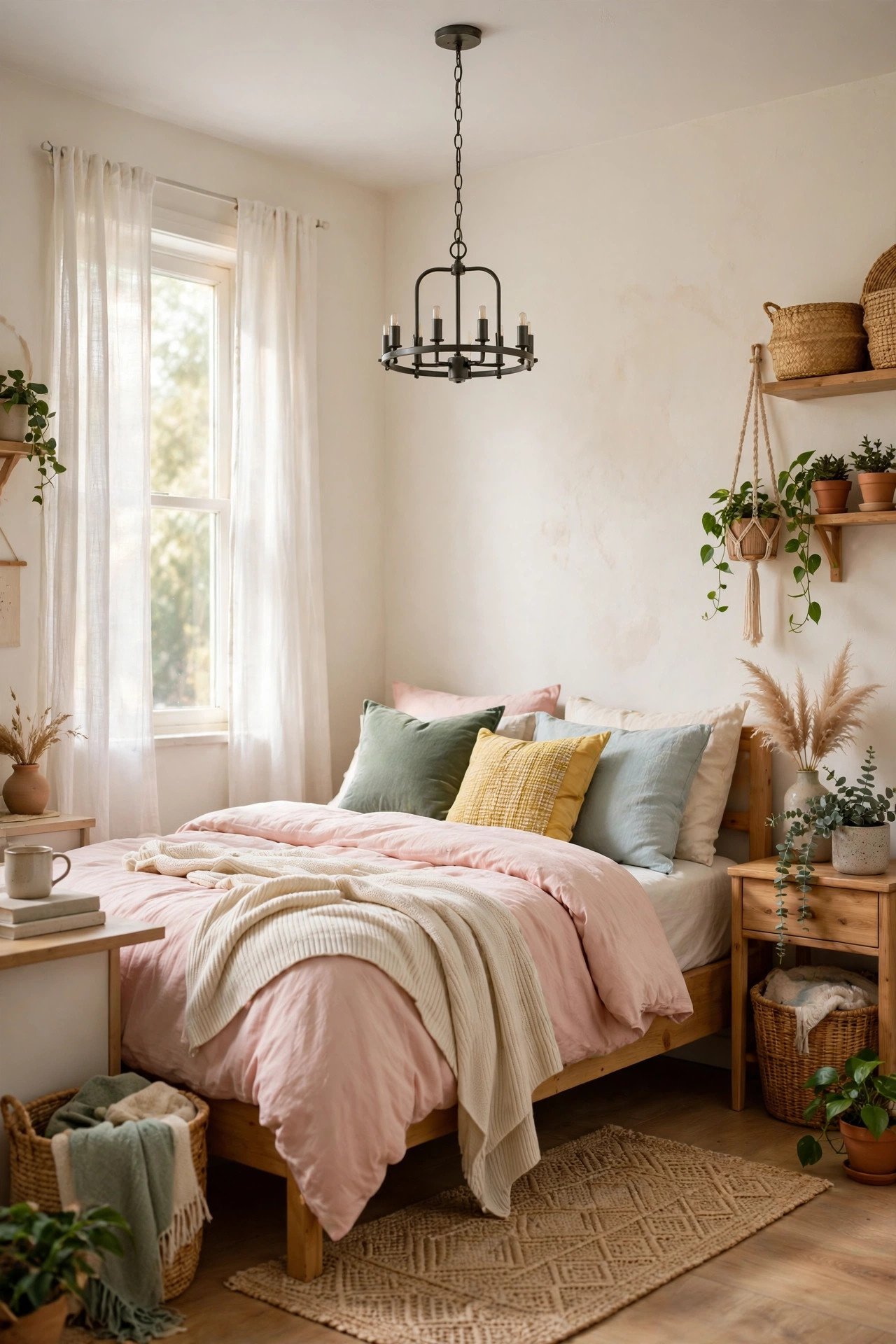
For a teenager, the pendant lights vs chandeliers debate is not about light quality or ceiling height at all. It is about how a room makes them feel, and a chandelier in a teen bedroom says this is my room and I get to decide what feels special in it. A pendant feels like a light, but a chandelier feels like a small piece of magic that belongs to them alone.
Let the teen help pick it out, because the whole point is that the room feels like theirs. Choose something simple and affordable in metal or wood, since teens are teens and nothing fragile will survive long. A plug-in swag kit works if hardwiring is not an option, and the whole project can happen in one afternoon.
19. Pendant Lights Over Nightstands: The Rental-Friendly Hack
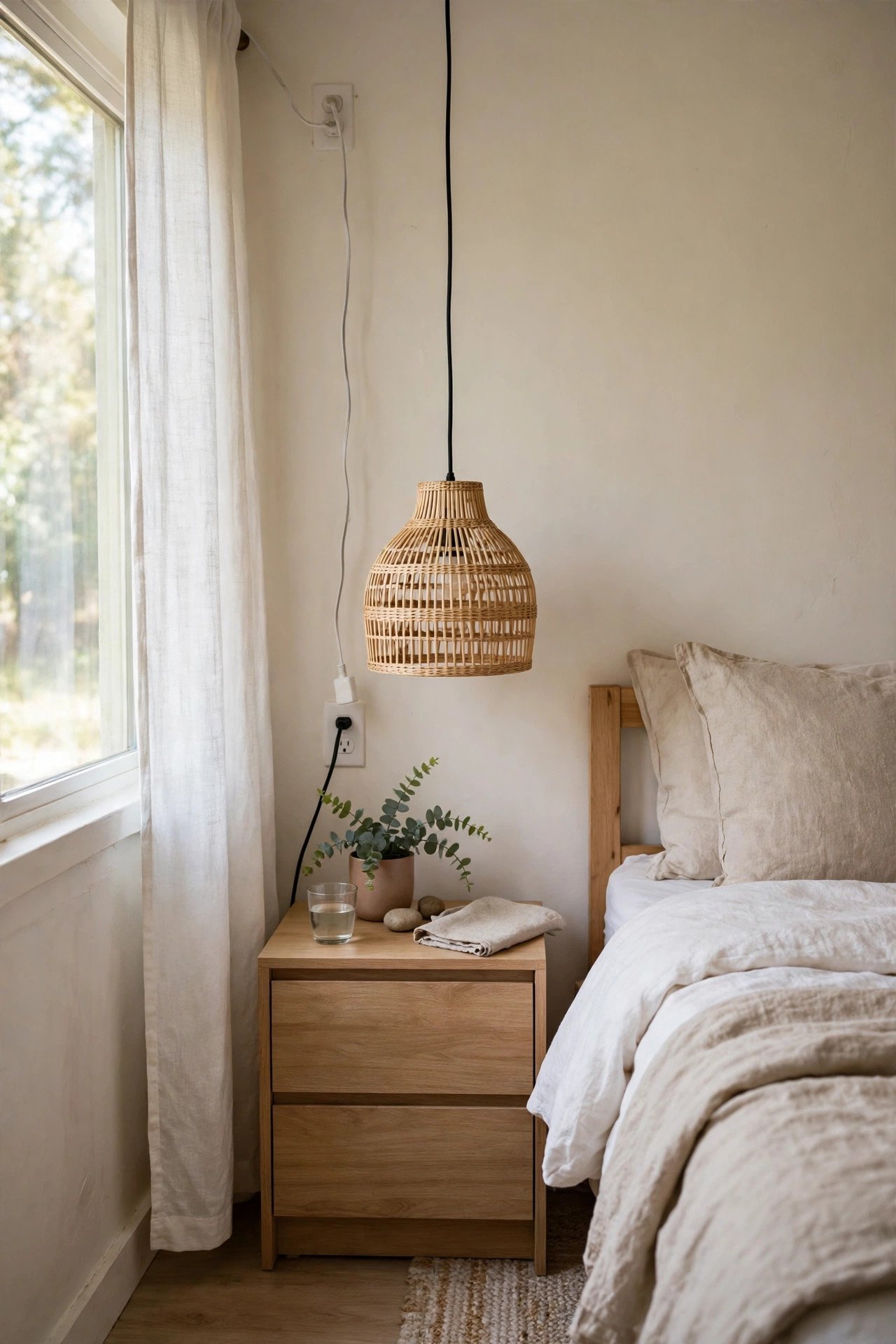
Renters face one big question with lighting, and it decides the whole debate: can I install this without losing my security deposit? Plug-in pendant lights win easily, because they hang from a small ceiling hook and plug into a wall outlet, with no electrician and no hardwiring. A chandelier needs proper wiring and a braced ceiling box, which most landlords will never approve in a rental.
Run the cord along the ceiling and down the wall with cord covers that match your wall color, so the setup looks neat and intentional. Use Command hooks for cord management instead of drilling, and measure your cord length before you buy anything. When you move out, the pendant comes down with one small patch, and your deposit stays safe.
Frequently Asked Questions
Are pendant lights or chandeliers better for a kitchen island?
Pendant lights are better for a kitchen island, because they aim focused light straight down onto your work surface. Chandeliers spread light in every direction, which casts shadows from your head and shoulders onto the chopping board. Hang two or three pendants 30 to 36 inches above the counter for the cleanest, shadow-free result.
How high should I hang a chandelier over a dining table?
Hang a chandelier 30 to 34 inches above the dining table surface for the best balance of light and sightlines. Size matters too, so measure your table width and subtract about 12 inches for the widest chandelier that fits. Always put it on a dimmer, because low light turns an ordinary dinner into a special occasion.
How do I choose pendant lights vs chandeliers for my home?
When you choose pendant lights vs chandeliers, start with the room and the job the light has to do. Pick pendants for task spots like kitchen islands, desks, and reading nooks, and chandeliers for drama spots like dining tables, entryways, and tall ceilings. Measure your ceiling height and table size first, because the right scale matters more than the prettiest fixture.
Can I use a chandelier in a small room?
Yes, you can use a chandelier in a small room, as long as you pick a mini chandelier that fits the scale. Powder bathrooms, closets, and nurseries all suit small chandeliers under 16 inches wide, because the fixture becomes a jewel instead of a burden. Keep the design open and airy, and hang it high enough that nobody has to duck under it.
Are plug-in pendant lights safe for renters?
Yes, plug-in pendant lights are safe for renters, because they hang from a small hook and plug into a normal wall outlet. You need no electrician, no hardwiring, and no landlord approval for most setups, which is why renters love them. Use cord covers that match your wall color, and always check the weight rating of your ceiling hook first.
Final Thoughts
When you look at pendant lights vs chandeliers room by room, the honest truth is that neither one wins the whole house, because each fixture is a tool for a different job. Pendants are your practical, focused, everyday heroes, while chandeliers are the magic makers that turn ordinary moments into something special. Your lighting era starts now, so measure your ceilings, check your dimmers, and pick the light that makes you smile when you flip the switch.