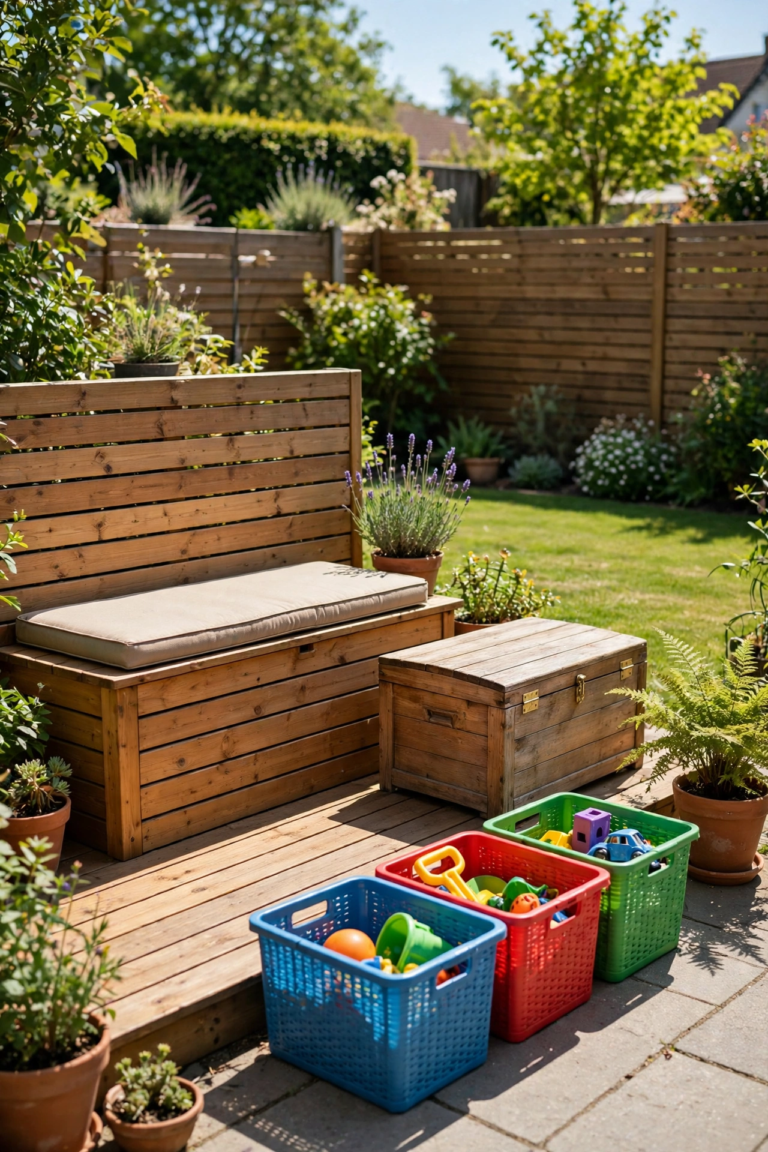

24 Landscaping Ideas for a Beautiful Outdoor Space
Your yard is the first thing guests see and the last place you unwind at the end of the day. Yet so many of us leave it plain while we decorate every room inside. A little landscaping can change all of that fast.
Landscaping is simply the art of shaping your outdoor space on purpose. You do not need acres of land or a big budget to do it well. Small changes like a new path or better lighting can make your yard feel brand new.
In this guide, you will find 24 landscaping ideas that work for yards of every size. Each idea comes with a photo to spark your own plans. From cozy fire pits to buzzing pollinator beds, there is something here for you. Let us turn your outdoor space into a place you love.
1. Design Outdoor Rooms with a Purpose
Stop thinking of your yard as one big open space. Instead, divide it into small outdoor rooms that each serve a purpose. Put a dining set near the house, a lounge chair cluster further out, and a quiet corner for reading. Each zone then feels cozy and intentional.
Use hedges, trellises, or a change in paving to mark where one room ends and another begins. These soft dividers create privacy without building walls. Walking from room to room makes even a small yard feel like a journey. Your garden becomes a series of discoveries.

2. Choose Native Plants for Easy Care
Native plants are the easiest win in any landscape. They already love your soil and your weather, so they need less water and almost no fertilizer. Once their roots settle in, they mostly take care of themselves. That means more beauty with less weekend work.
These plants also feed the birds, bees, and butterflies that live near you. Your yard becomes part of the local ecosystem instead of just decoration. Look up which plants grow wild in your area before you shop. You will be amazed at how well they perform.

3. Lay a Winding Stone Pathway
A path tells people where to walk, and a winding one tells them to slow down and look around. Irregular flagstones or cut stone both work beautifully for this. A gentle curve adds a sense of journey that a straight line never can. It pulls visitors deeper into your garden.
Plant creeping thyme or moss between the stones for a soft, lived-in look. These tiny plants release a lovely scent when stepped on. Set each stone firmly so it does not wobble underfoot. A well-built path is as practical as it is pretty.

4. Add a Small Water Feature
Water brings a garden to life in a way nothing else can. The soft sound of trickling water hides street noise and calms your mind. You do not need a big pond to get this effect. A bubbling urn or a small wall fountain works in almost any yard.
Birds will find your water feature fast, and they will visit daily to drink and bathe. A simple recirculating pump keeps the water moving with little effort. Place it where you can hear it from your favorite chair. This small addition makes your yard feel like a retreat.

5. Layer Plants for a Lush Look
Nature never plants in neat rows, and your garden should not either. Build your beds in layers, starting with trees at the back for height. Add shrubs in the middle, then perennials, and finish with low ground covers up front. Each layer fills a different band of view.
This layered style looks full and established much sooner than single-row planting. It also gives wildlife more places to hide and feed. Mix textures like feathery grasses with bold hosta leaves for extra interest. The result feels rich instead of flat.

6. Build Your Landscape Around a Fire Pit
Few things gather people like a fire on a cool evening. A fire pit becomes the heart of your backyard almost overnight. Choose a simple metal bowl for flexibility or build a permanent stone ring. Either way, it extends your outdoor season by months.
Arrange your seating in a circle so everyone can talk easily. Add weather-proof cushions and a few throw blankets for chilly nights. Keep a safe distance from fences, trees, and the house. Then enjoy marshmallows, stories, and starry skies.

7. Plant Ornamental Grasses for Movement
Ornamental grasses are the most underused plants in home landscapes. They sway in the slightest breeze and catch the light at sunrise and sunset. Many varieties keep their shape through winter, adding structure when flowers are gone. They ask for almost nothing in return.
Try a large group of one grass for bold drama, or mix a few types among your perennials. Fountain grass, miscanthus, and blue fescue are all easy starters. Trim them back once a year in late winter. Then watch them dance all season long.

8. Grow Food in Raised Beds
Raised beds make growing vegetables easy, even if your soil is poor. The tidy wooden or stone frames add structure to your yard while the plants fill them with color. Purple kale, red chard, and feathery carrot tops are as pretty as any flowers. Your garden starts feeding you, not just delighting you.
Place your beds where they get at least six hours of sun each day. Good drainage is built in when soil sits above ground level. Add herbs along the edges for easy snipping while you cook. Homegrown tomatoes taste better than anything from the store.

9. Hide a Secret Garden Corner
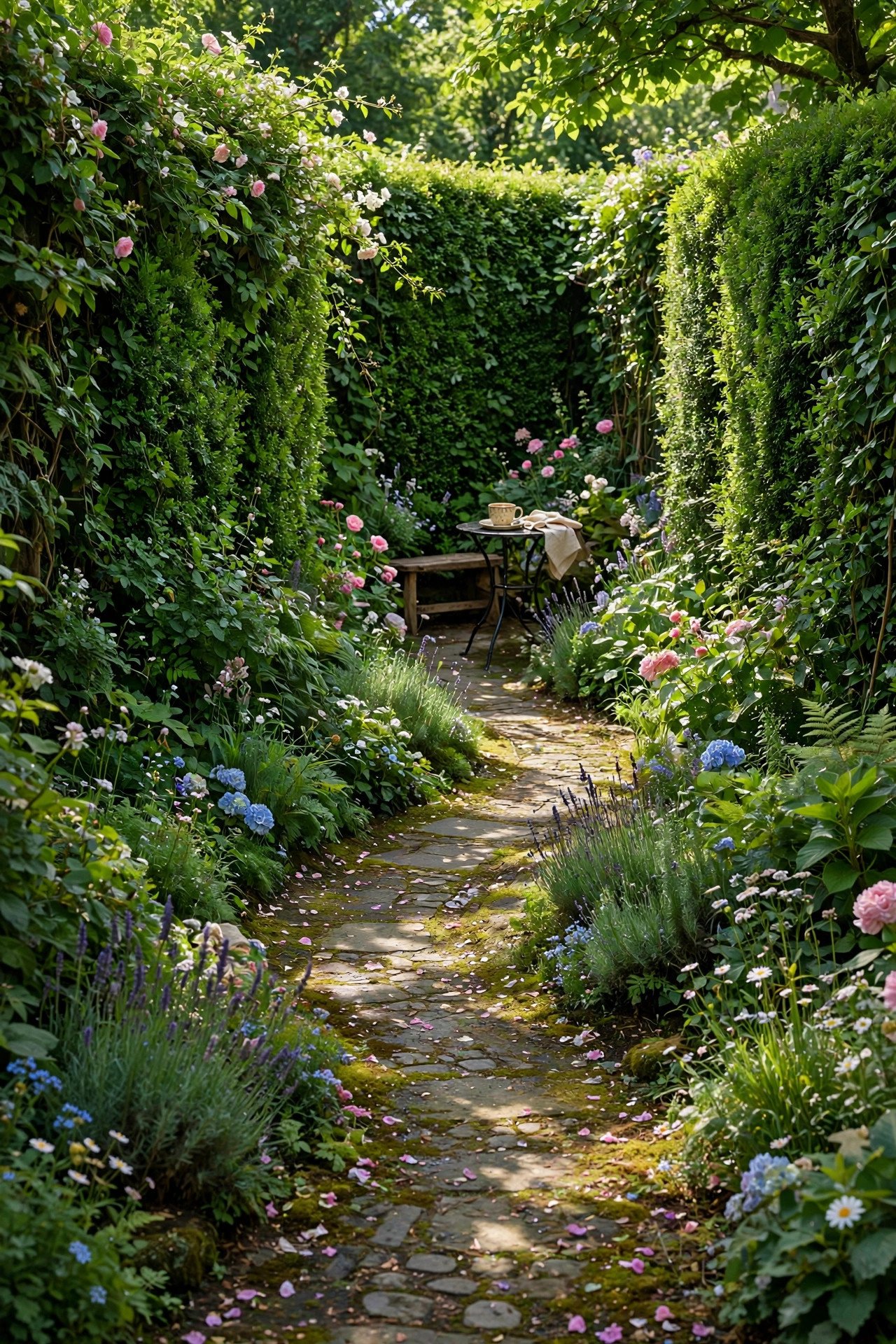
Every great yard needs a little mystery. Tuck a small bench or chair behind a tall hedge or at the bend of a path. Keep it hidden from the house so it feels like a private discovery. This becomes your quiet spot for coffee or a good book.
Plant fragrant flowers around your secret corner so every visit is a treat for your nose. Roses, jasmine, and lavender all work beautifully here. The short walk to reach it becomes part of the pleasure. A hidden corner makes any garden feel bigger.
10. Light Up Your Yard After Dark
Good lighting turns your garden into a whole new place at night. Small path lights guide guests safely while showing off nearby plants. Uplights aimed at trees create dramatic shadows on your lawn. A few well-placed landscape lights can completely change the evening mood.
String lights over a patio add warmth that feels instantly festive. Solar lights are easy to install since they need no wiring at all. Light a few key spots and leave the rest dark for depth and contrast. Your garden will feel magical after sunset.

11. Mix Edibles into Your Flower Beds
Why keep food plants and pretty plants apart? Fruit trees make fine anchors for flower beds, and blueberry bushes glow red in the fall. Herbs like rosemary and lavender look just as good as any ornamental. Your beds can be both beautiful and useful.
Artichoke plants grow into silvery sculptures that stop visitors in their tracks. Rainbow chard adds bright color between your flowers all summer. Scatter edible plants through your beds instead of hiding them away. You will snack as you garden.

12. Welcome Pollinators with Flowers
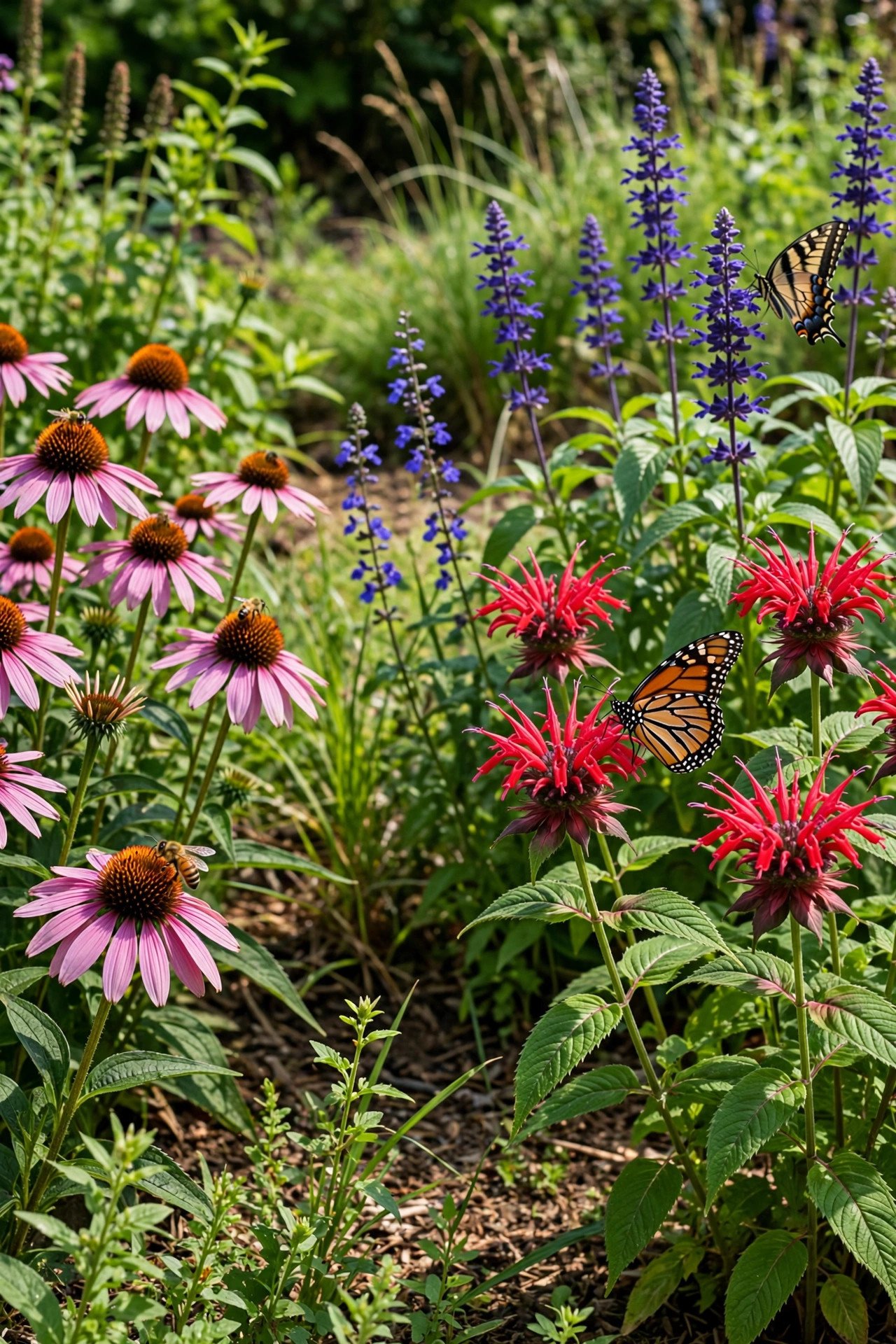
Bees and butterflies need our help, and your yard can be part of the solution. Plant flowers that bloom from early spring to late fall so there is always food. Mix nectar flowers for adults with host plants where caterpillars can grow. Your garden will buzz with life all season.
Skip the pesticides so your pollinators stay safe and healthy. Add a shallow dish of water with pebbles for them to land on. Coneflowers, bee balm, and zinnias are all pollinator favorites. Watching butterflies drift through your beds is pure joy.
13. Add a Pergola or Garden Arbor
Tall structures give your garden an instant sense of architecture. A pergola over the patio filters the sun while keeping the space open. An arbor over a path marks a clear entry point into a new garden area. Both add height that flat beds cannot.
Train climbing roses, clematis, or wisteria over your structure for seasonal color and scent. The vines will fill in over a few years and shade your seating below. Choose wood or metal that matches your home’s style. One pergola can become your yard’s signature feature.

14. Plan for Four-Season Interest
The best gardens look good in winter, not just in June. Choose some plants for their bark, berries, or shape when leaves are gone. Evergreens keep their color through the cold months and anchor your beds. Ornamental grass seed heads look stunning with frost on them.
Leave some seed heads standing in fall instead of cutting everything down. Birds will visit to feed, and the shapes add winter beauty. Add a few spring-flowering shrubs so the garden wakes up early each year. You will enjoy the view from your window every single month.

15. Turn Tough Spots into a Meadow
That hard-to-mow slope or far corner of your lot could become a wildflower meadow. Mix native grasses with wildflowers and let them grow tall and free. A meadow needs far less mowing, watering, and fuss than a lawn. It also gives wildlife a real home.
Be patient the first year or two while the roots establish themselves. Mow a simple path through the meadow so you can walk and explore. The planting will change colors and textures with every season. Your toughest yard spot becomes your most interesting one.

16. Use Hardscaping for Structure
Stone, brick, and wood give your garden bones that plants alone cannot. A low stone wall can hold back a slope while looking timeless. Brick patios offer classic charm that lasts for decades. Good hardscaping makes every plant around it look better.
Pick materials that match your home’s exterior for a pulled-together feel. Then repeat those same materials around the yard to tie everything together. A wooden deck extends your living space right into the garden. Balance hard surfaces with plenty of soft planting.

17. Keep a Kitchen Garden by the Door
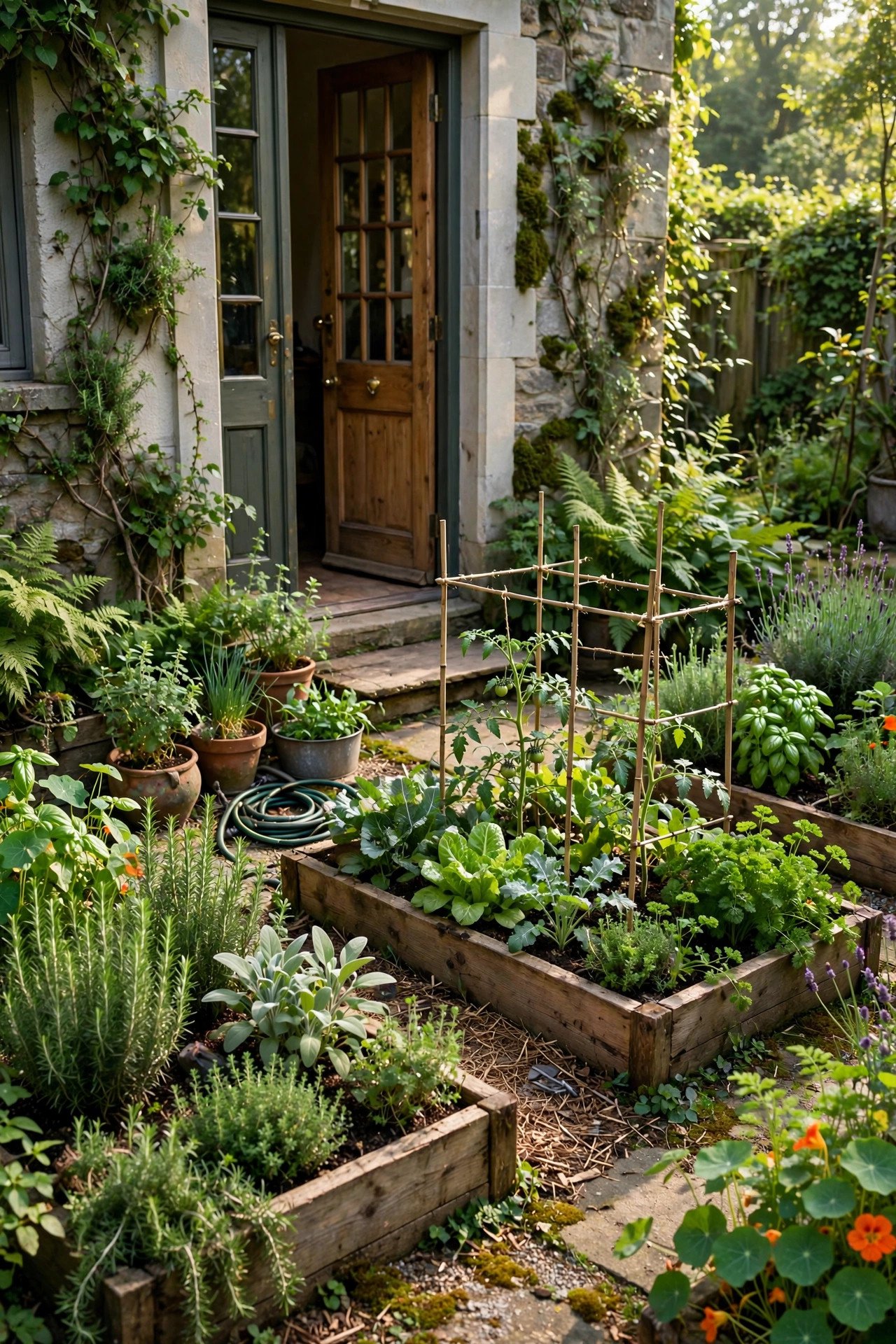
Nothing beats stepping outside to snip fresh herbs for dinner. Plant your kitchen garden right by the back door so you will actually use it. A few pots of basil, thyme, and parsley cover most cooking needs. Being close to the kitchen makes harvests effortless.
Mix your herbs with pretty flowers so the bed looks as good as it tastes. Cherry tomatoes in a sunny pot are easy even for beginners. Keep a small watering can nearby so care stays simple. Fresh flavor is always just steps away.
18. Make Shade Your Friend
That dark corner where grass refuses to grow is not a problem. It is a chance to build a cool, quiet shade garden. Hostas come in endless leaf colors and sizes for shady spots. Ferns add soft movement that sunny beds cannot match.
Add astilbe or bleeding heart for pops of color in the shadows. A simple bench under the trees becomes the coolest seat in summer. Mulch well to keep the soil moist and rich. Shade gardens often become everyone’s favorite spot.

19. Tame Slopes with a Retaining Wall
Sloped yards can feel like a burden, but a retaining wall turns them into an asset. The wall creates flat, usable areas for seating or planting. Natural stone, brick, or timber all build walls that look right at home. Your slope becomes a terraced showcase.
Build planting beds above and below the wall to soften its edges. You can even add a built-in bench along the top for extra seating. Make sure the wall has proper drainage behind it so it lasts. For more backyard structure ideas, stone and wood features pair beautifully with any fence style.

20. Add Art and Sculpture Outdoors
Garden art gives your landscape a personality that plants alone cannot. A small sculpture tucked into a bed becomes a delightful surprise for visitors. Colorful glass orbs catch the sun and add sparkle among the leaves. Choose pieces that make you smile every time you see them.
You do not need expensive gallery pieces to make an impact. Hand-painted stepping stones or a mosaic birdbath work just as well. Place art where it will be discovered, not where it shouts. Your garden should feel like it reflects you.

21. Plant for Fragrance
Scent is the most overlooked sense in garden design. Place fragrant plants along paths and near seating where you will brush past them. Lavender, roses, and jasmine release their perfume with the slightest touch. Every walk through the garden becomes a sensory treat.
For evening magic, add night-scented plants like moonflower near your patio. Herbs such as rosemary and thyme perfume the air when you cook nearby. A fragrance garden rewards you without needing to look at it. Close your eyes and enjoy.

22. Repeat Plants and Colors for Rhythm
Repeating the same plants or colors through your yard creates a sense of rhythm. Your eye travels smoothly from bed to bed instead of jumping around. Use one ornamental grass as an accent in every border, or repeat a favorite flower color. The garden starts to feel designed, not random.
Repetition does not mean boring. It is the thread that ties different areas together into one story. Group plants in odd numbers for a natural look. A little rhythm makes your whole landscape feel calm and unified.

23. Invite Wildlife into Your Garden
Your garden can be more than pretty. It can be a living habitat for birds, butterflies, and helpful insects. Offer food, water, and shelter, and wildlife will find you fast. A shallow birdbath and a small brush pile are easy places to start.
Native plants feed the most creatures, so make them the backbone of your beds. Avoid harsh chemicals that harm the very visitors you want. For more outdoor inspiration, these landscaping ideas from HGTV show how wildlife-friendly yards can still look polished. Soon your mornings will come with birdsong.

24. Create a Deck or Patio for Living Outdoors
Every landscape needs a comfortable place to sit and enjoy it. A deck or patio extends your home right into the garden. Choose materials that match your house so the transition feels natural. This becomes your outdoor living room from spring through fall.
Furnish it like an indoor room with chairs, a table, and soft lighting. Add potted plants around the edges to blend it into the garden. When you host garden parties, this space becomes the natural gathering spot. A good patio turns your yard into a second home.

Frequently Asked Questions
What is the cheapest way to landscape my yard?
Start with what you already have and work in small stages. Native plants are cheap because they need less water and care. A simple mulch bed around existing trees looks tidy for very little money. Do one project at a time so costs stay manageable.
How do I landscape a small backyard?
Divide a small yard into zones so it feels larger than it is. Use vertical elements like trellises and hanging planters to save floor space. Keep the plant palette simple with lots of repetition. A mirror on a fence can also make a tiny yard feel twice as big.
What are low-maintenance landscaping ideas?
Choose native plants and ornamental grasses that thrive without fuss. Replace thirsty lawn areas with mulch, gravel, or ground covers. A wildflower meadow needs mowing only once or twice a year. Good mulch and drip irrigation cut watering work dramatically.
When is the best time to start landscaping?
Fall and spring are the best seasons for planting in most climates. Cooler weather helps new plants grow strong roots before summer heat. Hardscaping like paths and walls can be built almost any time the ground is workable. Plan your design in winter so you are ready to plant in spring.
Do I need a professional landscaper?
Most of the ideas in this guide are doable as weekend DIY projects. Planting beds, paths, lighting, and container gardens are all beginner-friendly. Call a professional for big grading work, tall retaining walls, or complex drainage. A one-time design consultation can also be worth it before you invest.
Final Thoughts
Your yard has more potential than you think. These 24 landscaping ideas prove that you do not need a huge budget or acres of land. A winding path, a fire pit, or a bed of native flowers can change how your whole outdoor space feels.
Start with the project that excites you most and build from there. Layer in lighting, seating, and plants one step at a time. Before you know it, your backyard will be the place everyone wants to gather. Happy landscaping!