
How to Mix and Match Furniture Styles So Your Room Looks Pulled Together
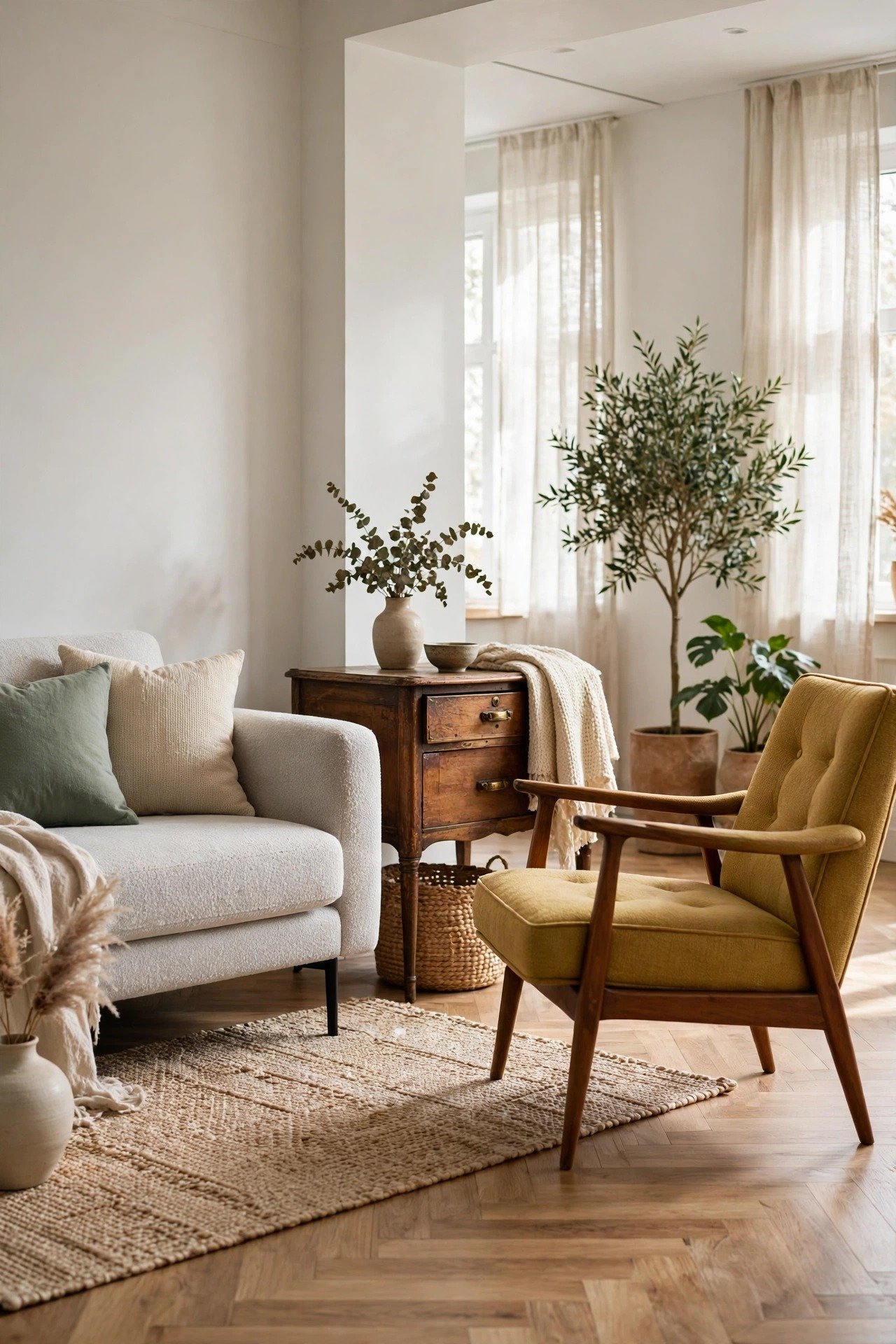
If you have ever wondered how to mix and match furniture styles, this guide shows you a simple way to make different pieces look like they belong together. Most homes are not furnished in one day, so the sofa, the chairs, and the tables often come from different times and different tastes. That mix can feel messy at first, but a few clear ideas can turn it into a room that feels warm and full of character.
This guide walks through 13 clear steps, from letting go of perfect matching to giving your room time to settle. Each step answers one question, so you can build a room that feels planned instead of random. By the end, your mixed furniture will look like a choice you made on purpose, not an accident you are stuck with.
Let Go of the Idea That Everything Must Match
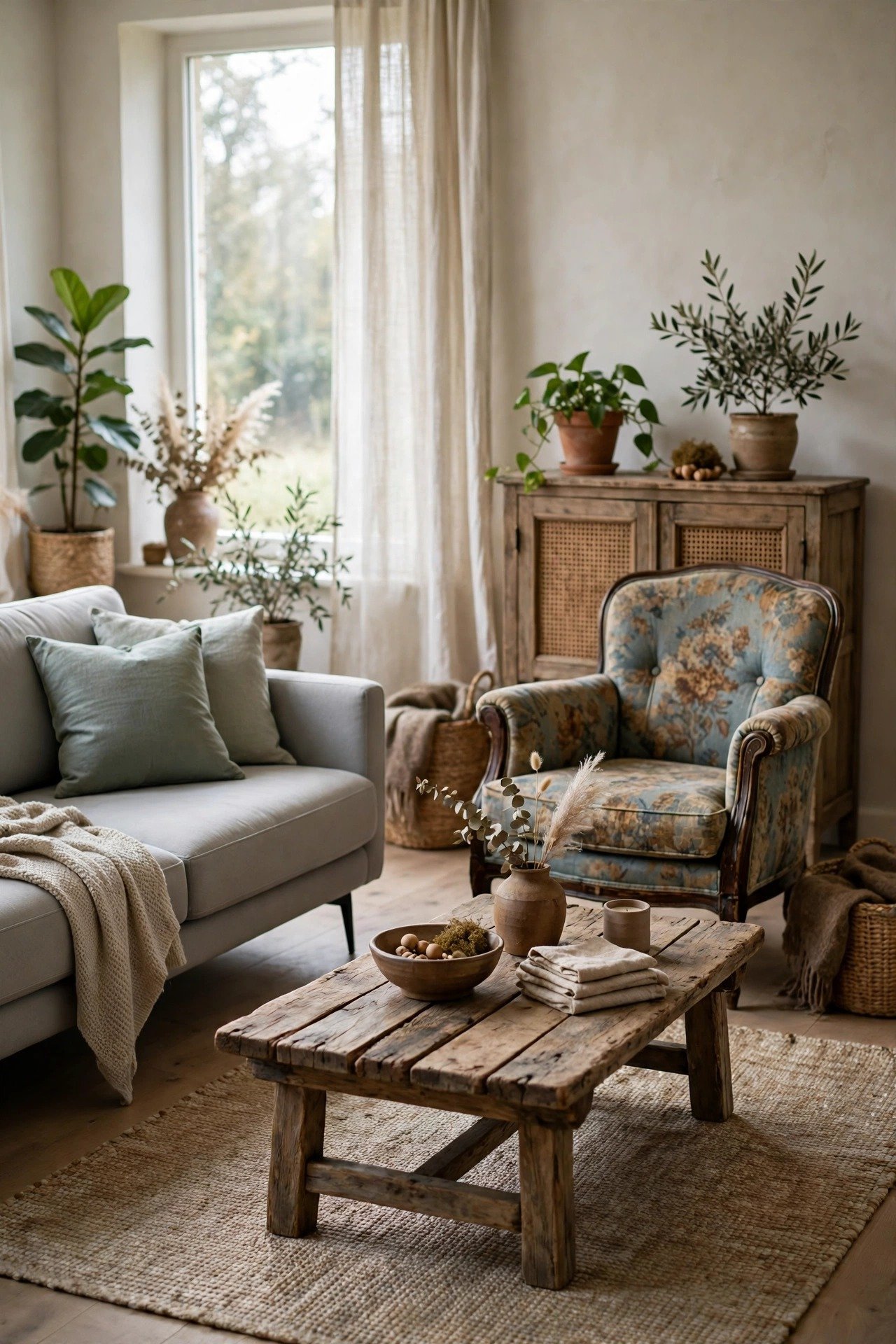
A matching furniture set looks neat in a showroom, but it often looks flat and dull in a real home. Rooms with real character almost always mix styles, periods, and materials, because that mix tells the story of the people who live there. When every piece comes from the same collection, the room can feel like a hotel lobby instead of a place where someone actually lives.
Your goal is not to make everything match, because matching is not the same as belonging together. If you are still finding your own taste, our guide on how to choose the right home decor style can help you name the look you love before you buy anything new. Once you stop chasing a perfect match, you can start choosing pieces that feel right together, even when they come from very different styles.
Find One Thing That Ties All Your Pieces Together
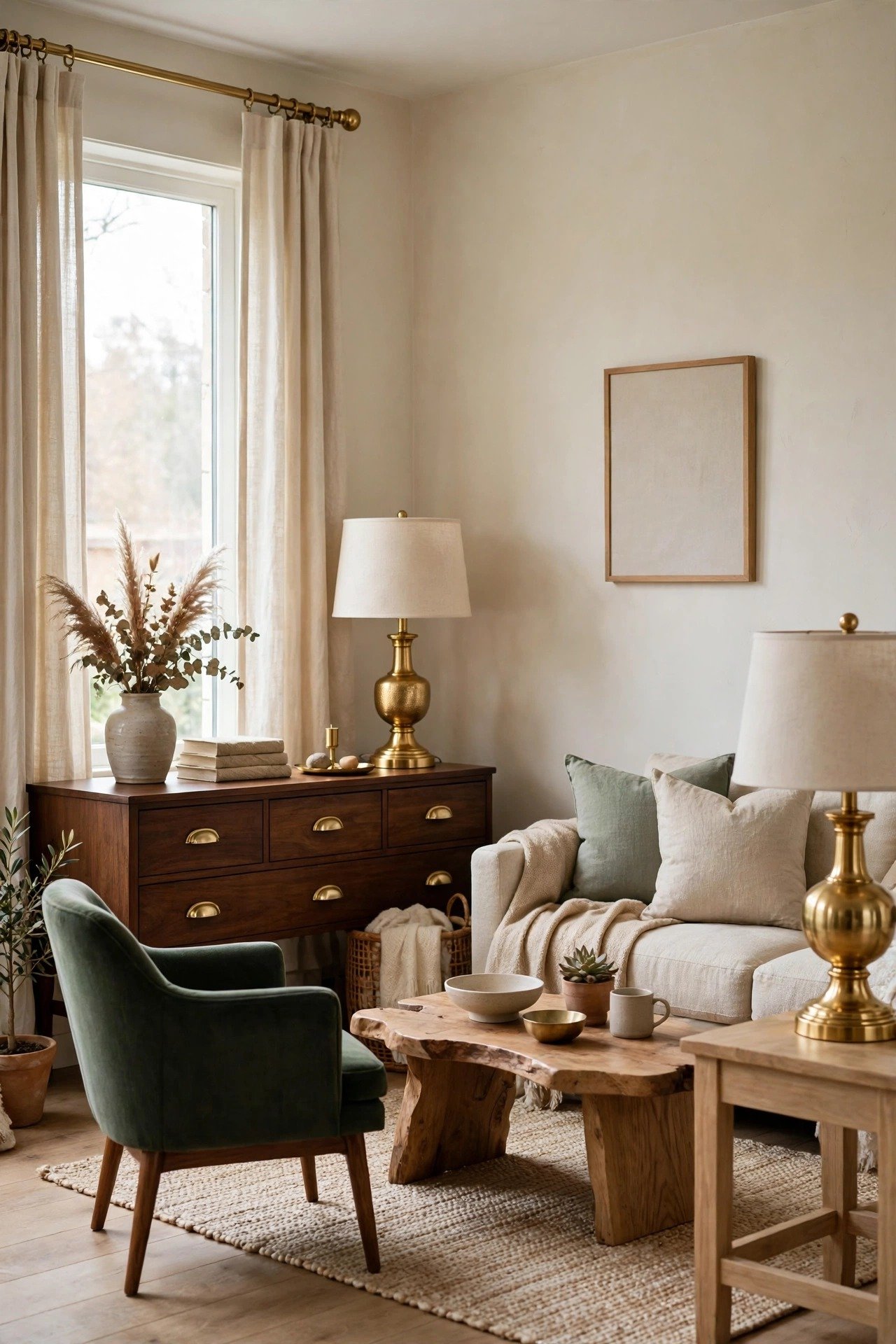
Every mixed room needs one thread that runs through all the pieces, and that thread can be a color, a material, a finish, or a leg shape. It does not need to be loud or obvious, but it must be there, because it is what tells your eye that the pieces belong in the same room. Metal finishes are one of the easiest threads to use, so try matching your drawer pulls, lamp bases, and curtain rods in the same warm brass or matte black.
Pick your thread before you shop, and check every new piece against it before you bring it home. See the Havenly guide to mixing furniture styles for more designer rules on repeating one element across a room. When the same thread shows up two or three times, even very different pieces start to feel like part of one plan.
Learn the Difference Between Furniture Style and Furniture Scale
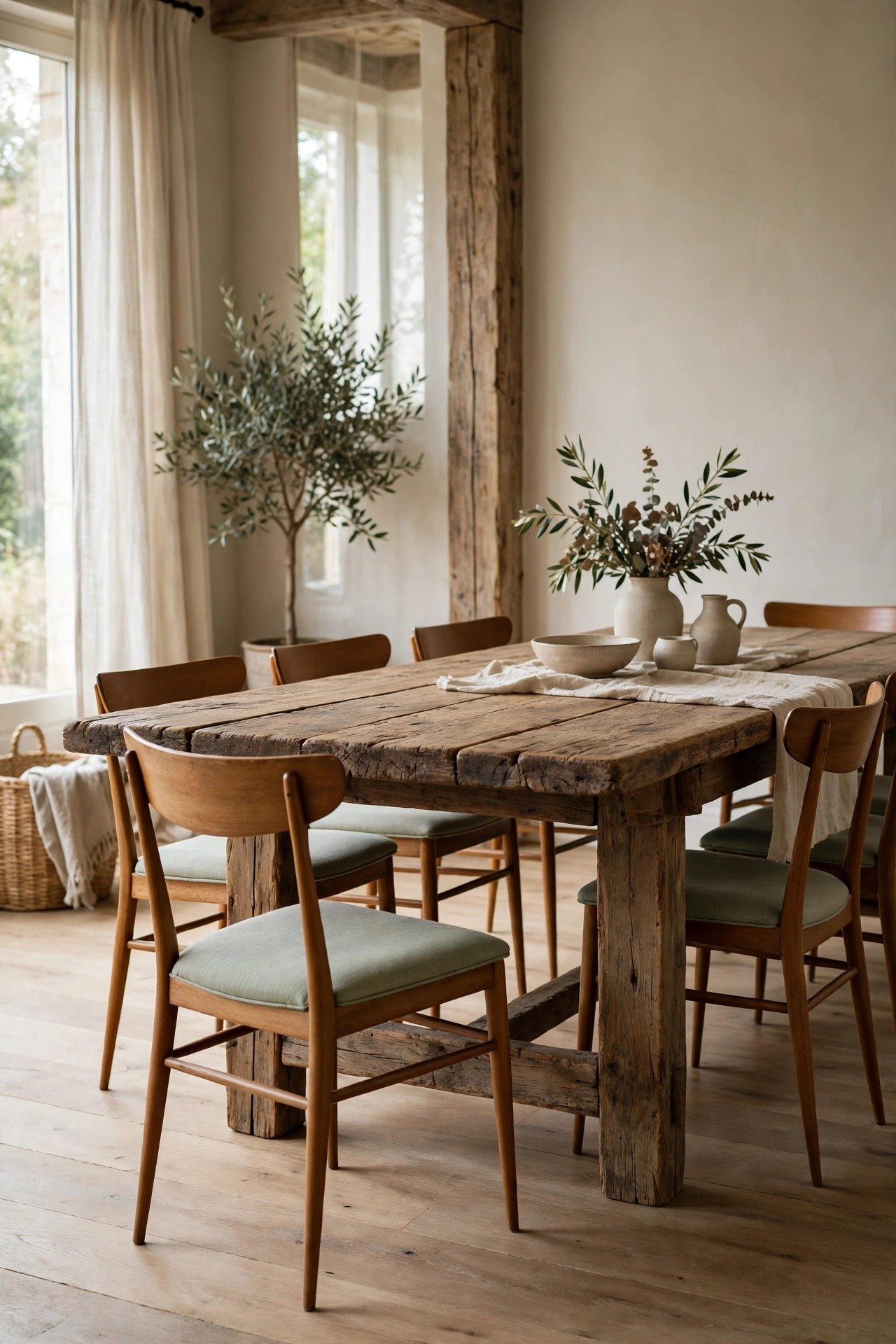
Mixing styles is about more than looks, because the size and weight of each piece matter just as much as its shape. When you learn how to mix and match furniture styles, you will see that a heavy rustic table can sit happily next to light mid-century chairs. The contrast in size makes the room interesting, as long as the two pieces do not fight each other for attention.
Two very large pieces in one small room will always feel heavy and crowded, no matter how well their styles go together. Think about visual weight before you buy, and ask whether each piece pulls the eye toward itself or lets the room breathe. A good room has both kinds of pieces, so the bold ones shine and the quiet ones give your eyes a rest.
Use Neutral Walls to Give Mixed Furniture Room to Breathe
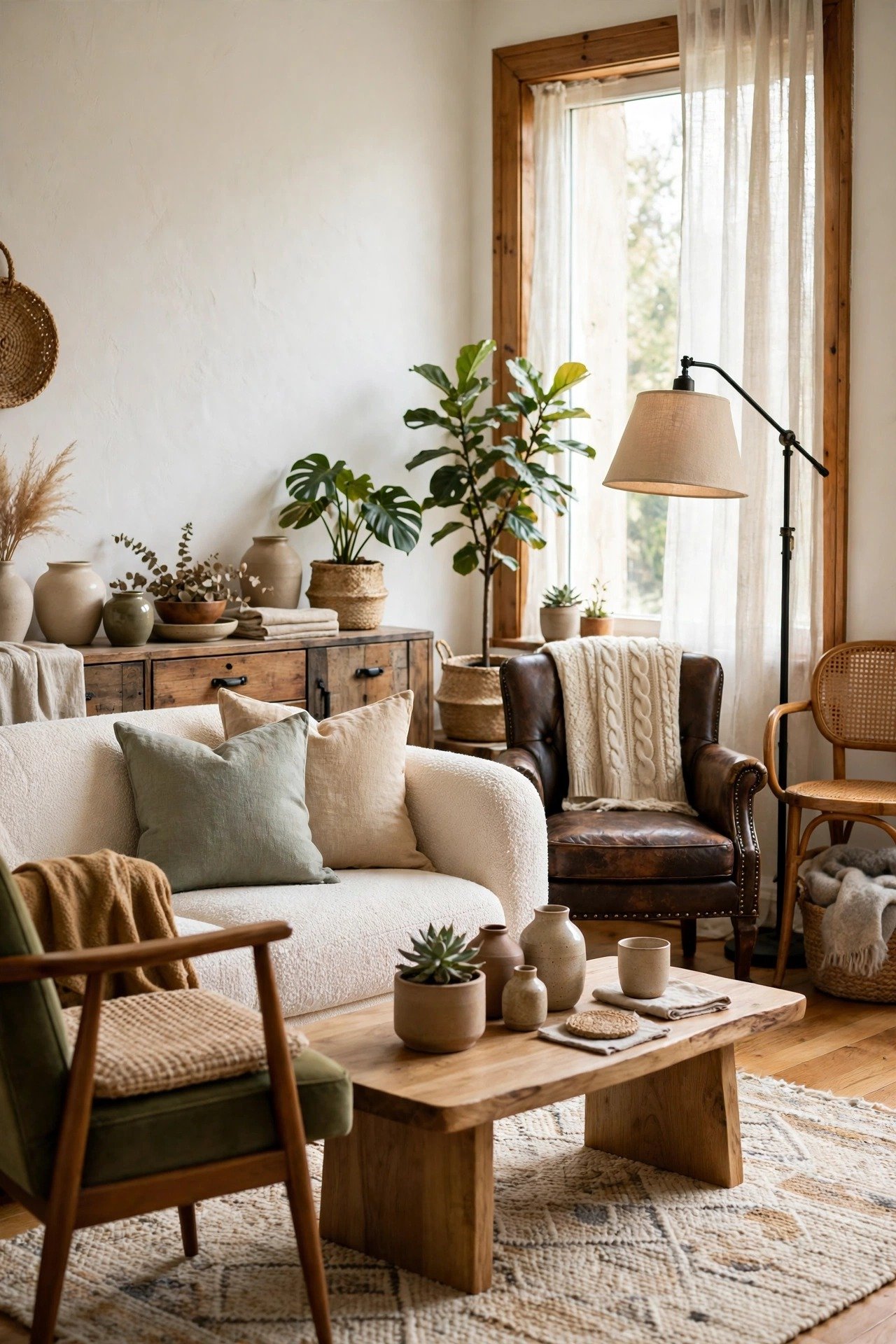
When your furniture comes from many styles, a neutral wall color gives everything room to breathe. Warm white, soft gray, and warm greige do not fight with your furniture, so they let the pieces do the talking. A plain wall is not boring here, because it is the quiet background that makes a busy mix of furniture feel calm.
Bold wall colors can work with mixed furniture, but they are a harder move when you are still learning the balance of the room. Our guide on how to choose the right color palette for your home shows how to pick a neutral base that suits your light and your floors. Start with neutral walls, and you can always add color later through art, pillows, and small objects.
Let One Strong Style Lead the Room
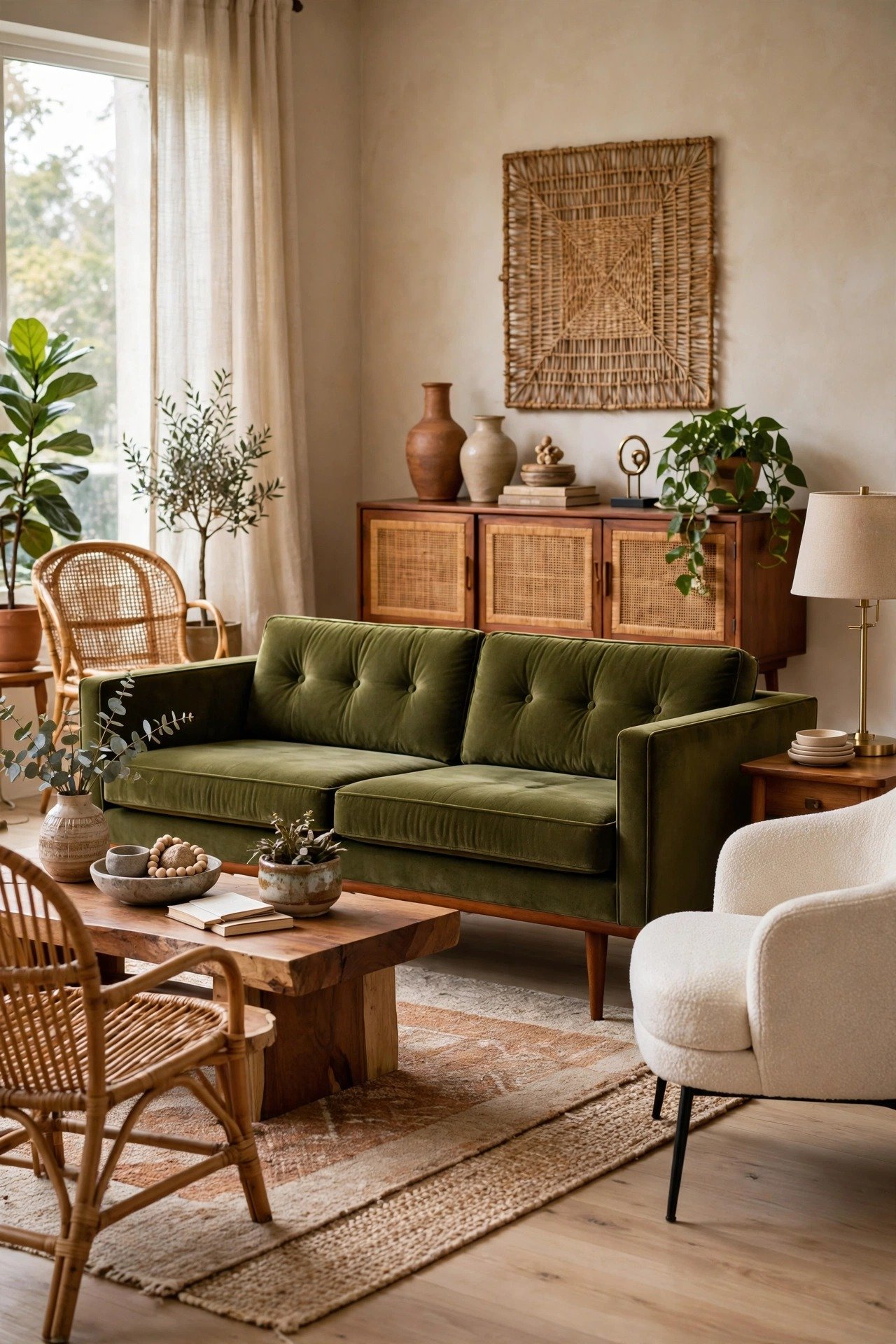
Even the most mixed room usually has one style in charge, and that style sets the tone for everything else. It might be a mid-century sofa that leads the room, or a heavy farmhouse table that becomes the clear focal point. When you plan how to mix and match furniture styles, pick one anchor piece first and let the rest of the room orbit around it.
You do not need to commit to one style for the whole room, because you only need one confident piece to organize the rest. If you love calm and simple rooms, our guide to minimalist interior design shows how a quiet anchor can still feel warm and full of life. Once the anchor is in place, it becomes much easier to see which pieces belong in the room and which ones do not.
Mix Old and New Pieces on Purpose
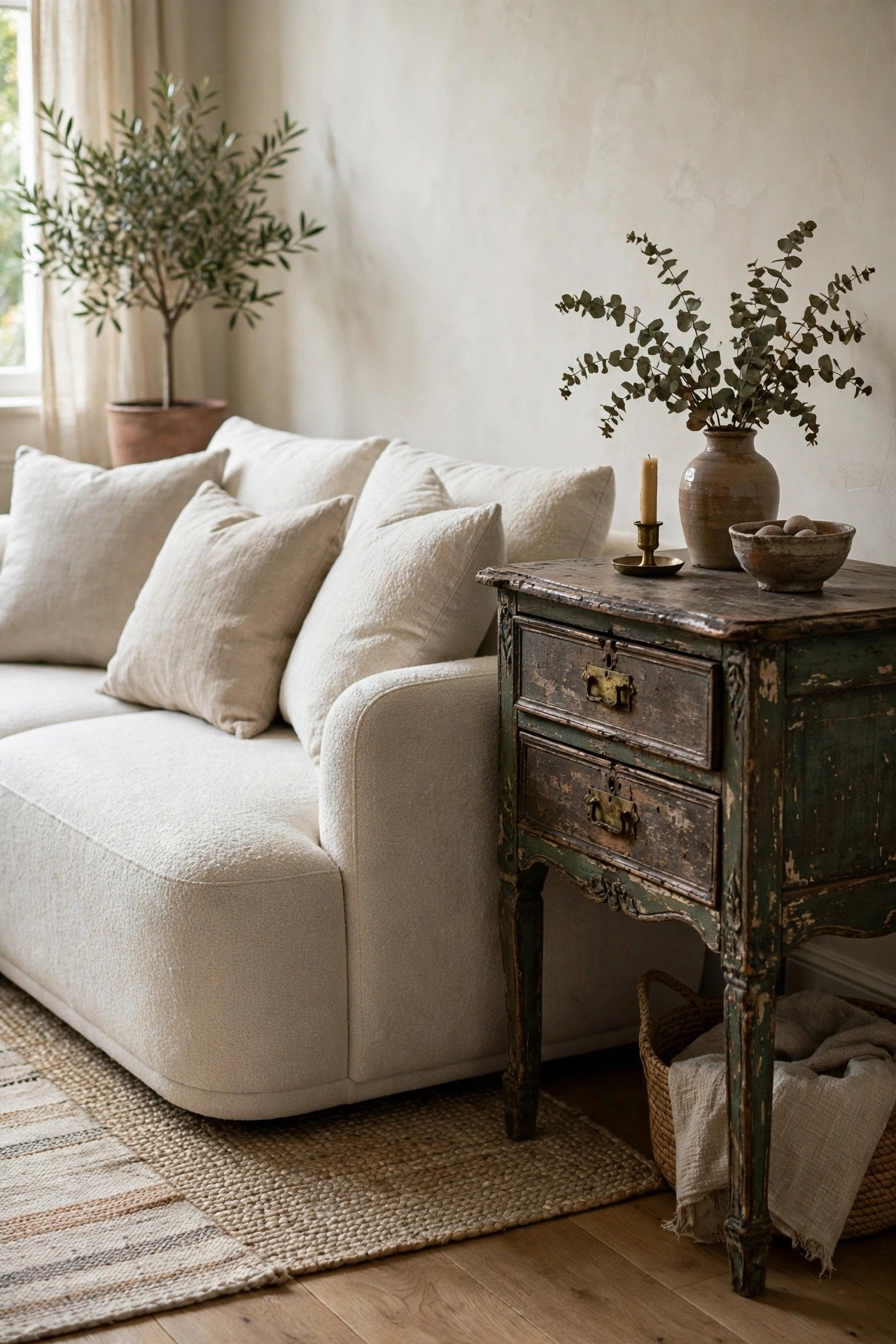
Old and new furniture together is one of the most satisfying mixes, because the contrast gives the room depth that a matching set cannot offer. A sleek modern sofa next to a weathered antique side table makes both pieces look better, since the old piece gains fresh life and the new piece gains warmth. The trick is to mix them on purpose, so every old piece looks like a choice and not like something you forgot to replace.
Ask yourself why each old piece is in the room, and keep it only if it is beautiful, useful, or full of meaning for you. See the Hermosa Style Co guide to mixing furniture styles for more ideas on combining older and newer pieces with care. When old and new are mixed with care, the room feels collected over time instead of bought in one rushed trip.
Keep Your Wood Tones in the Same Family
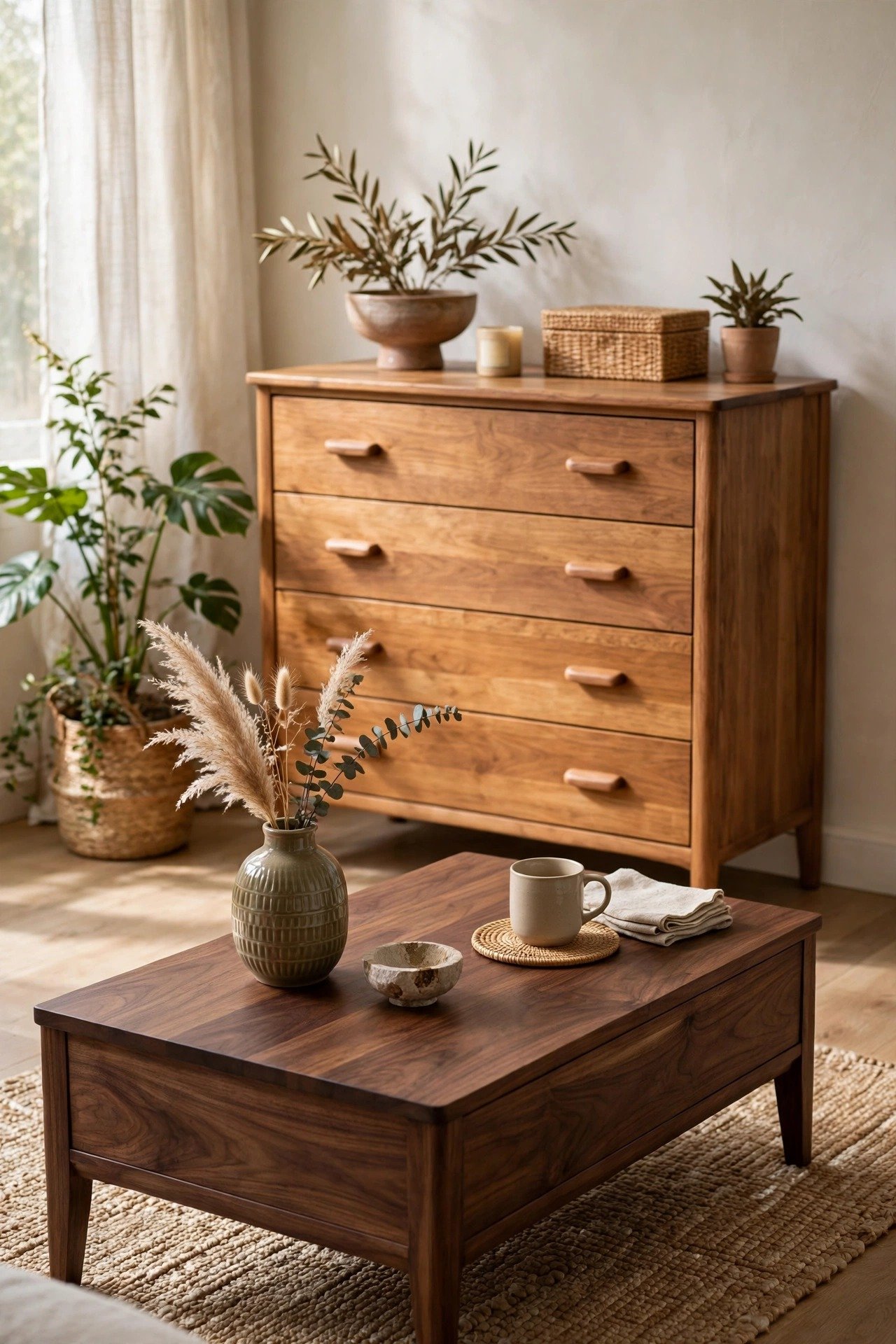
Mixing furniture styles is easy, but mixing clashing wood tones in one room is much harder to pull off. A honey oak dresser next to a dark walnut bed frame creates a tension that is hard to fix without a lot of other pieces in between. You do not need to match wood tones exactly, because slight variation looks natural and can even make the room feel more relaxed.
Keep your wood tones in the same family, so warm tones sit with warm tones and cool tones sit with cool tones. If that feels too hard, choose one wood piece and let everything else be a different material, like metal, fabric, or painted wood. That simple rule is often the cleanest answer in a small room, where clashing woods have nowhere to hide.
Use Rugs and Textiles to Pull the Room Together
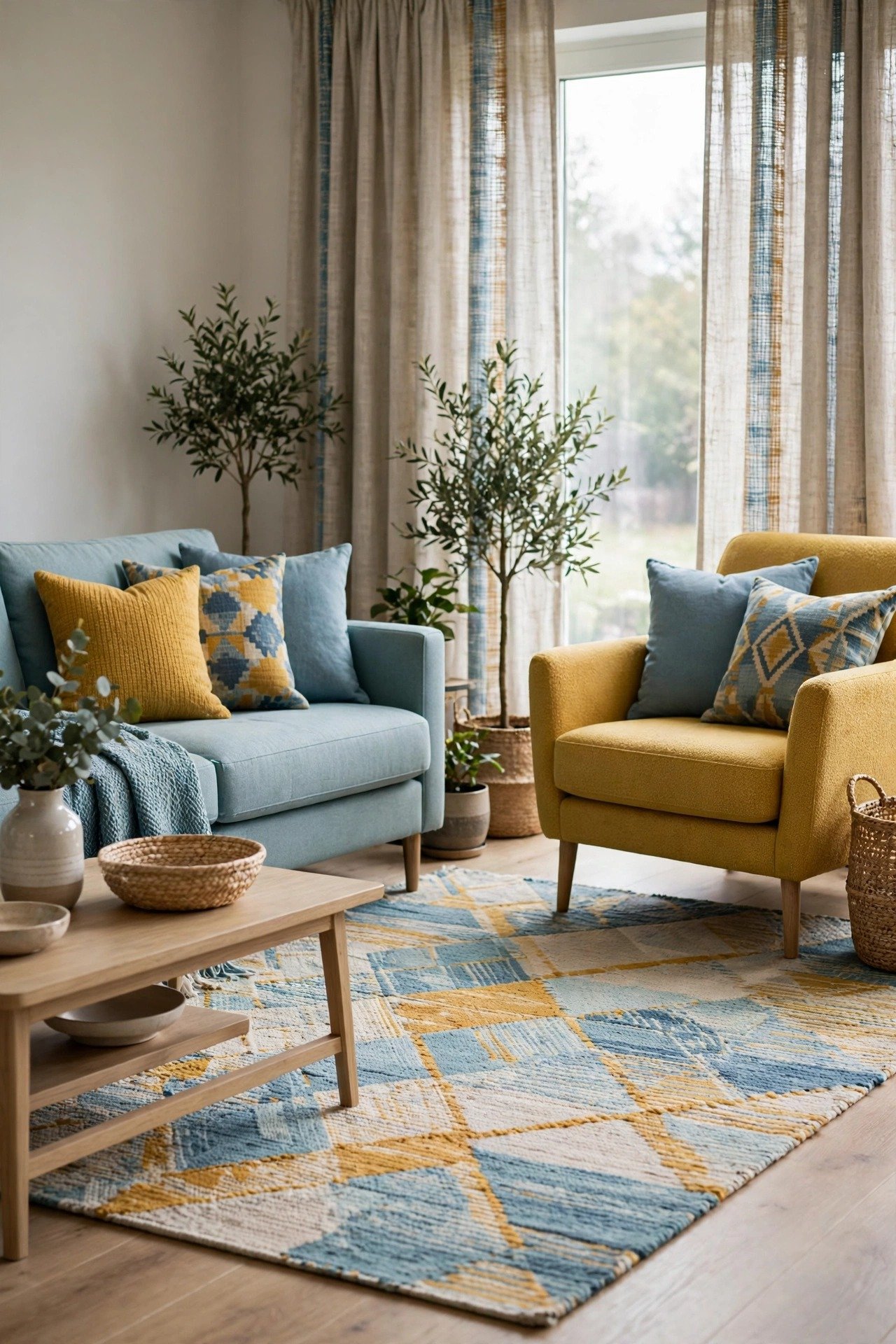
Rugs, throw pillows, curtains, and blankets do a lot of the quiet work in a mixed-style room, because they are the glue between pieces. A rug that pulls two or three furniture colors together can make a whole room feel planned, even when the furniture comes from different eras. Pillows that share a texture with another piece in the room add the same kind of link, and they cost very little to change.
Start with the rug, because it is the single most powerful unifying piece in any room. Choose a rug that holds at least one color from your sofa and one from your chairs, then repeat those colors in your pillows and curtains. Once the textiles agree with each other, the furniture around them will feel much more like one family.
Use Contrast With Care, Not by Accident
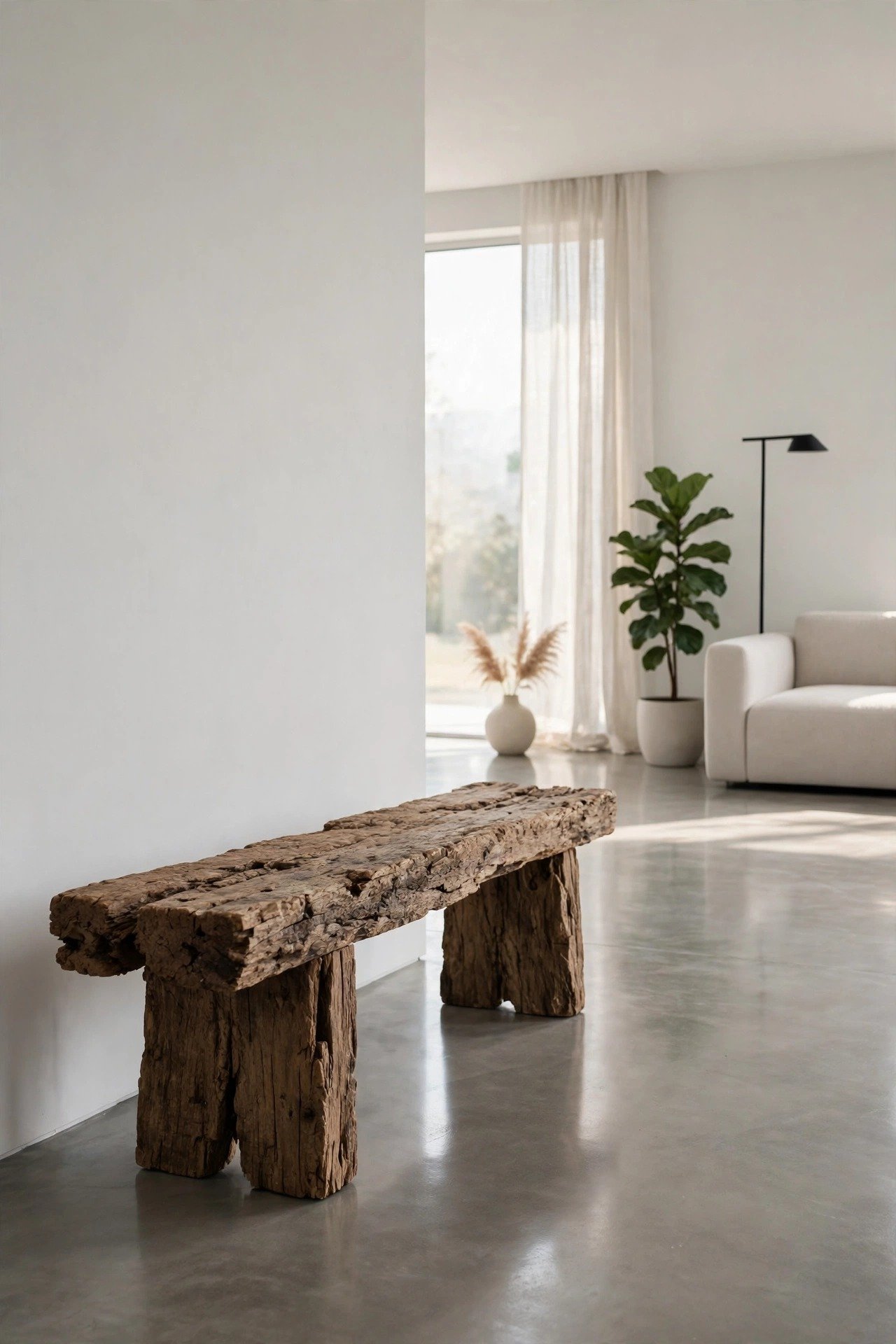
Contrast is what makes a mixed room interesting, but only when it has a clear purpose behind it. A rough wooden bench in a polished and simple living room can be a lovely surprise, because it gives your eye something to enjoy. That same bench in a room that is already busy and layered will only add to the noise, so the setting matters as much as the piece.
Before you add a bold piece, look at the room and ask whether it has room to breathe. If the room already feels full, try taking one thing out before you bring anything new in. A room that is edited well can hold strong contrast, while a crowded room turns the same contrast into clutter.
Decide the Mood of the Room Before You Mix Styles
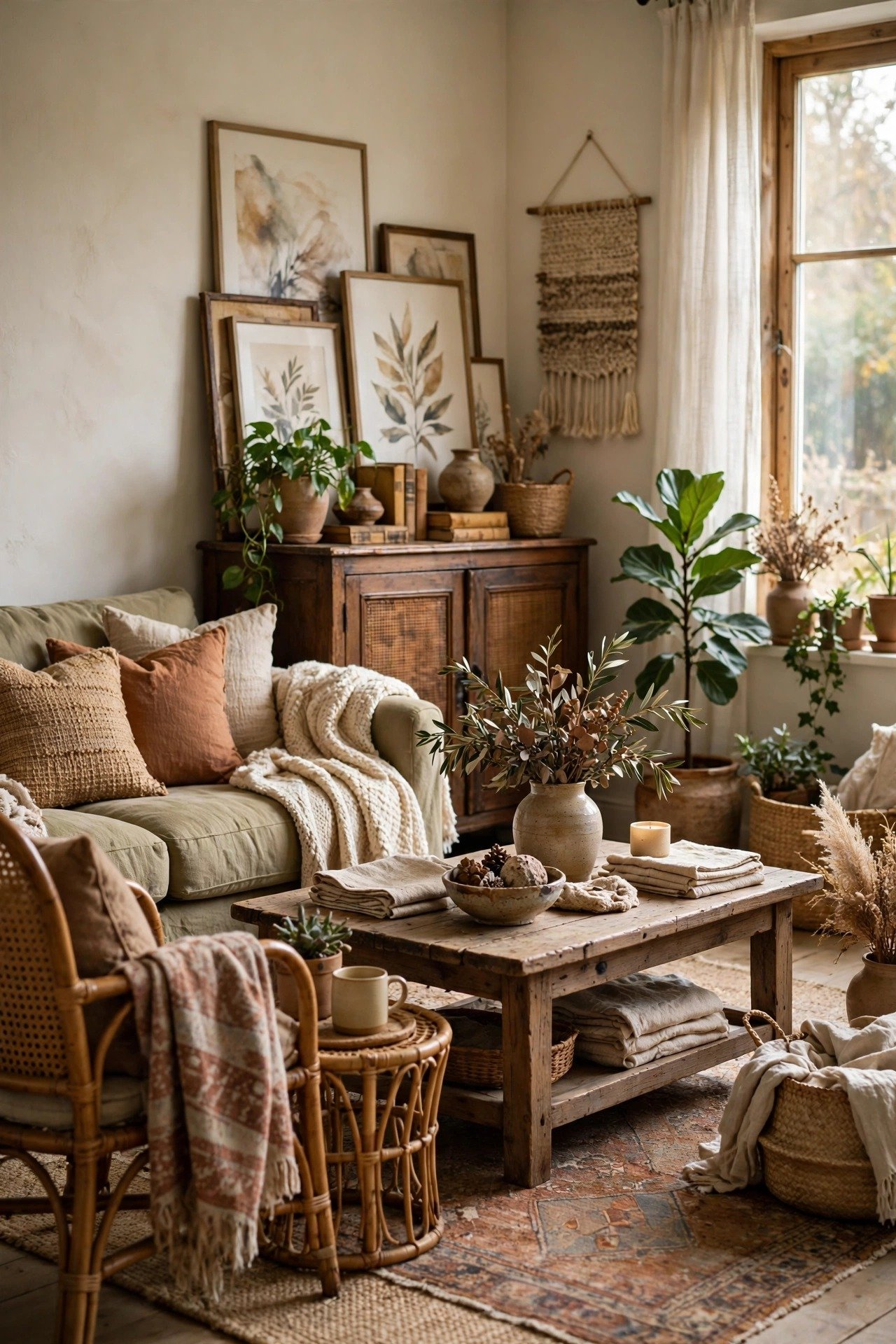
Before you worry about which styles go together, decide how you want the room to feel when you walk into it. Warm and casual, cool and simple, or layered and collected like a room built over a lifetime are all good answers, as long as you pick one. That feeling becomes your guide, and it will help you say yes or no to every piece that comes through the door.
Most mixed rooms that work well have a clear mood, even when the pieces themselves come from very different places. A collected mood lets you mix almost any styles, because every piece feels chosen rather than left over by chance. Name the mood out loud before you shop, and your choices will get easier with every trip to the store.
Let Color Bring Different Furniture Styles Together
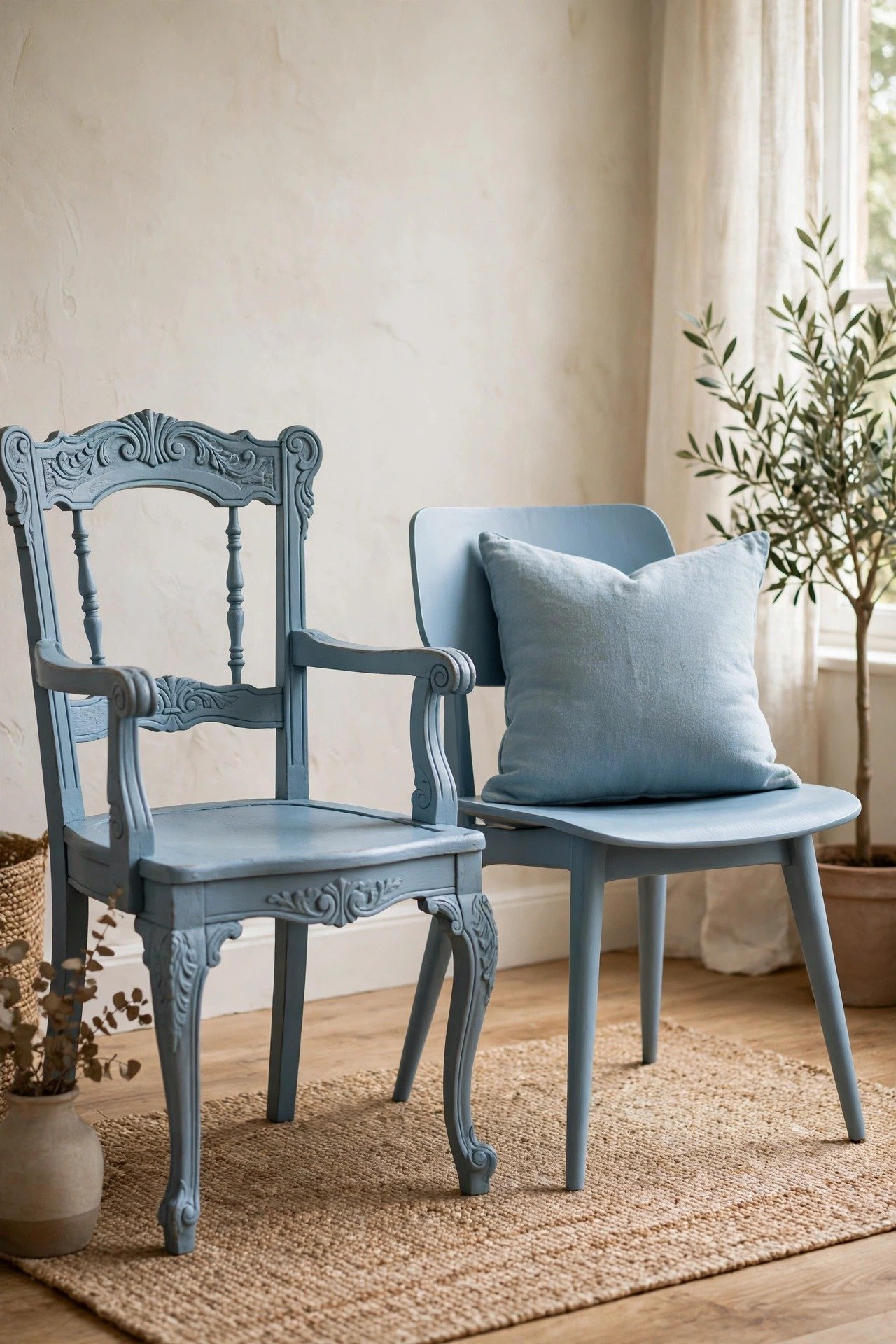
When two furniture styles feel too far apart to live together, color can bring them into the same conversation. Paint two chairs from different eras in the same color, and they suddenly look like a set that was made to match. A throw pillow that picks up a color from an old rug across the room can do the same job, and it costs almost nothing.
Color is cheaper than new furniture, and it is stronger than most people think, so use it before you replace a piece you love. See our living room color guide ideas for more ways to build a small palette that can hold different styles together. Keep the palette small, with one base color and one or two accents, so the color unites the room instead of adding more noise.
Edit Your Room and Remove What Does Not Belong
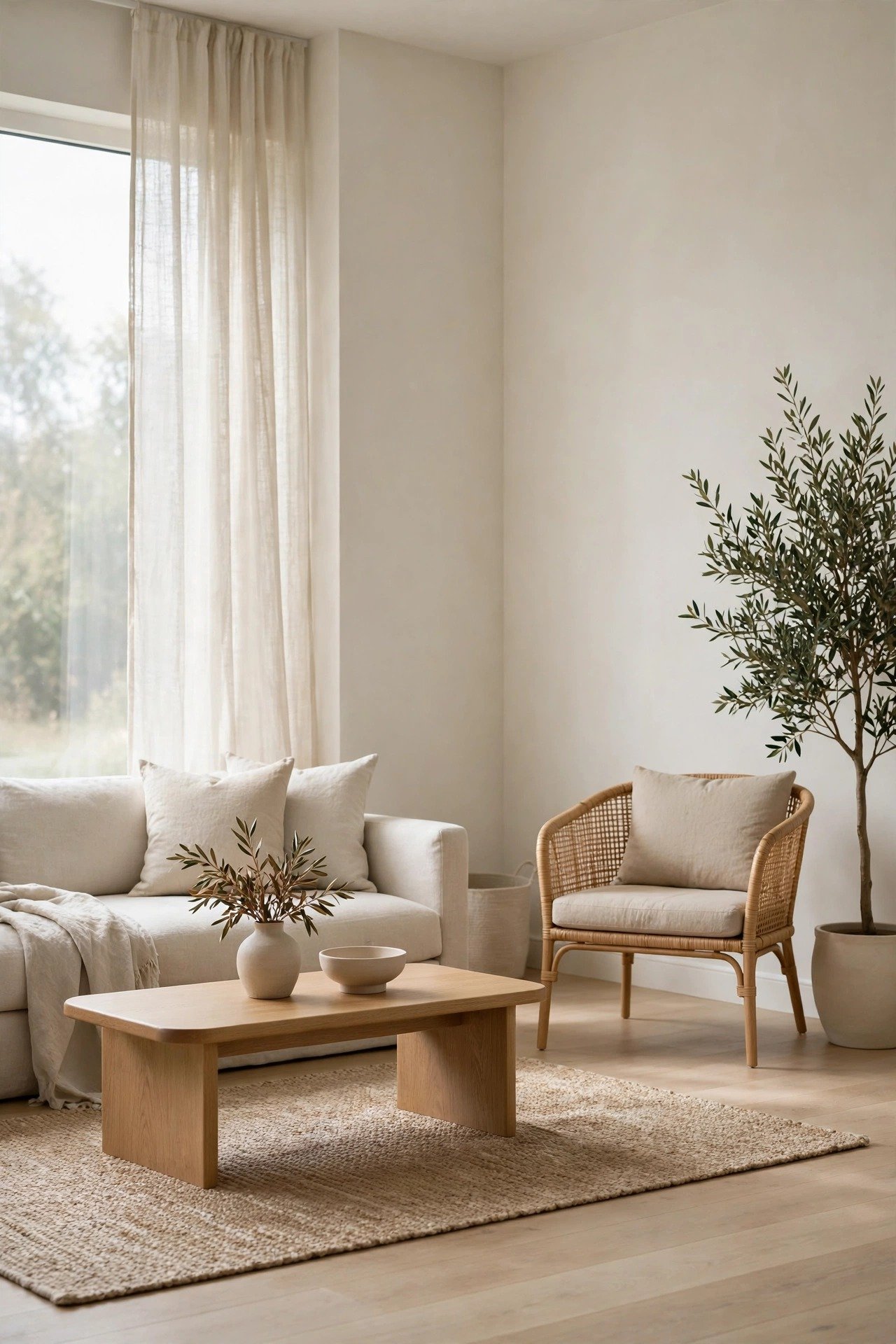
Editing is the most underrated part of mixing styles, because a room that holds every piece you own will always feel cluttered. The rooms that feel curated and calm are usually the ones where someone left things out, not the ones where someone added more. Be honest about each piece, and ask whether it adds character to the room or only adds confusion.
If a piece is fighting with the rest of the room, try moving it to another room before you give it away. Some pieces simply need a different setting, while others have served their time and can leave the house for good. Good editing is what turns a mixed room into a thoughtful room, and it costs nothing but a little courage.
Give Your Mixed Room Time to Come Together
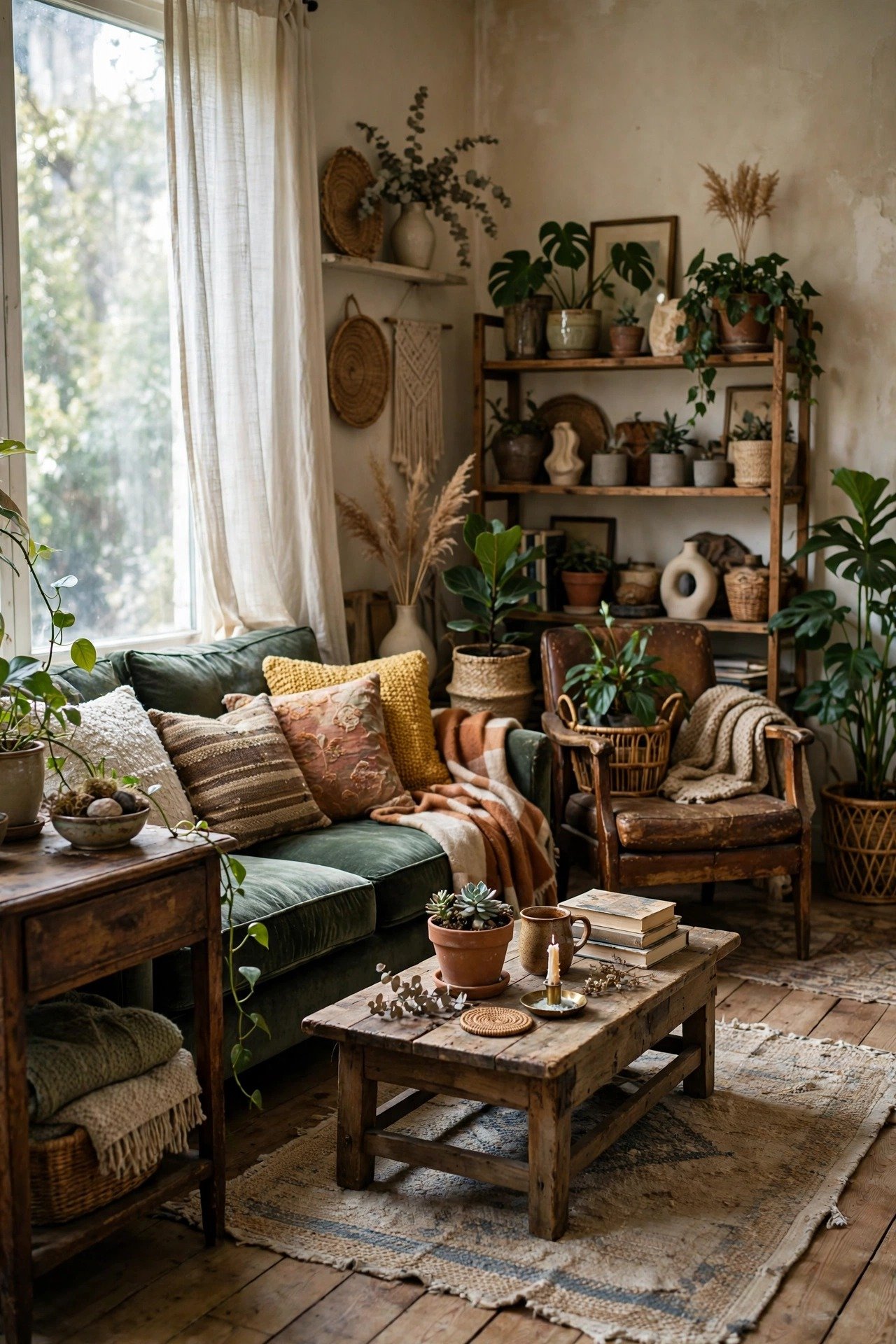
A well-mixed room rarely comes together in one afternoon, because you need to live in the space before you know what works. You will notice what bothers you, swap pieces between rooms, and return things you bought too fast, and that is all part of the process. A room that feels slightly off today might only need one small change, like a different rug or a lamp moved across the room, to suddenly click.
You do not need to get the mix right on the first try, because style mixing is one of those skills that grows with time. Live with the room for a few weeks, and pay attention to which pieces you love more each day and which ones still feel wrong. Trust the slow process, keep making small changes, and your room will soon feel like it was always meant to look this way.
Frequently Asked Questions
Can you mix modern and traditional furniture in one room?
Yes, modern and traditional furniture can sit together very well, as long as they share at least one thread like color, finish, or material. A traditional sofa works with a modern marble coffee table when both share warm brass accents or the same cream palette. Without that shared thread, the two styles will fight each other, so pick your thread before you place the pieces.
How many furniture styles can you mix in one room?
Two or three styles is the sweet spot for most rooms, because two styles give clean contrast and three styles feel collected and curated. Four or more styles usually start to feel chaotic, unless your color palette and scale are doing extra work to hold the room together. If you are just starting out, begin with two styles and add a third only when the room still feels calm and settled.
How do I mix and match furniture styles in a small room?
Start with one anchor piece and one unifying thread, then keep the rest of the room simple so the mix has room to breathe. When you learn how to mix and match furniture styles in a small space, choose light pieces and a tight color palette to keep the room open. Edit hard in a small room, because every extra piece takes up space that your eyes need to rest.
Do all the wood tones in a room need to match?
No, wood tones do not need to match exactly, and a room where all the wood matches can look flat and dull. Most well-mixed rooms hold a light wood, a medium wood, and a dark wood together, as long as they sit in the same warm or cool family. If the tones clash, use other materials like metal or fabric to break up the wood and give the room some balance.
What is the easiest way to start mixing furniture styles?
Start with neutral anchor pieces like a plain sofa, a simple wood table, and a low console that do not belong to one clear era. Then mix bolder pieces in the smaller spots, like accent chairs, lamps, side tables, and art, where a mistake is easy to fix. The neutral base gives you freedom to try new styles, because the bones of the room can hold the contrast.
Final Thoughts
Mixing furniture styles is really about learning to see your home with fresh eyes, not as a pile of mismatched things but as pieces looking for common ground. Find one thread, pick one anchor, watch your wood tones and scale, and let color and textiles tie the room together. Edit with care, give the room time to settle, and your home will soon feel warm, personal, and truly yours.


