
22 Small Living Room Decor Ideas That Make Your Space Look Bigger and Cozier
Do you love your home, but your living room feels too small? You are not alone, and the problem is very common. Many small living room decor ideas look cute in photos, but they fail in real life. A huge sofa, dark walls, and too much clutter can shrink any tiny room.
The good news is that you do not need a big budget. You do not need to move to a new home either. You only need the right ideas, used in the right order and with care. Small changes in color, layout, and light can change the whole feel.
In this guide, you will find 22 easy ideas that really work. Each idea is simple, cheap to try, and made for real homes. You can copy one idea this weekend, or plan a full fresh look. By the end, your room will feel bigger, brighter, and much cozier.
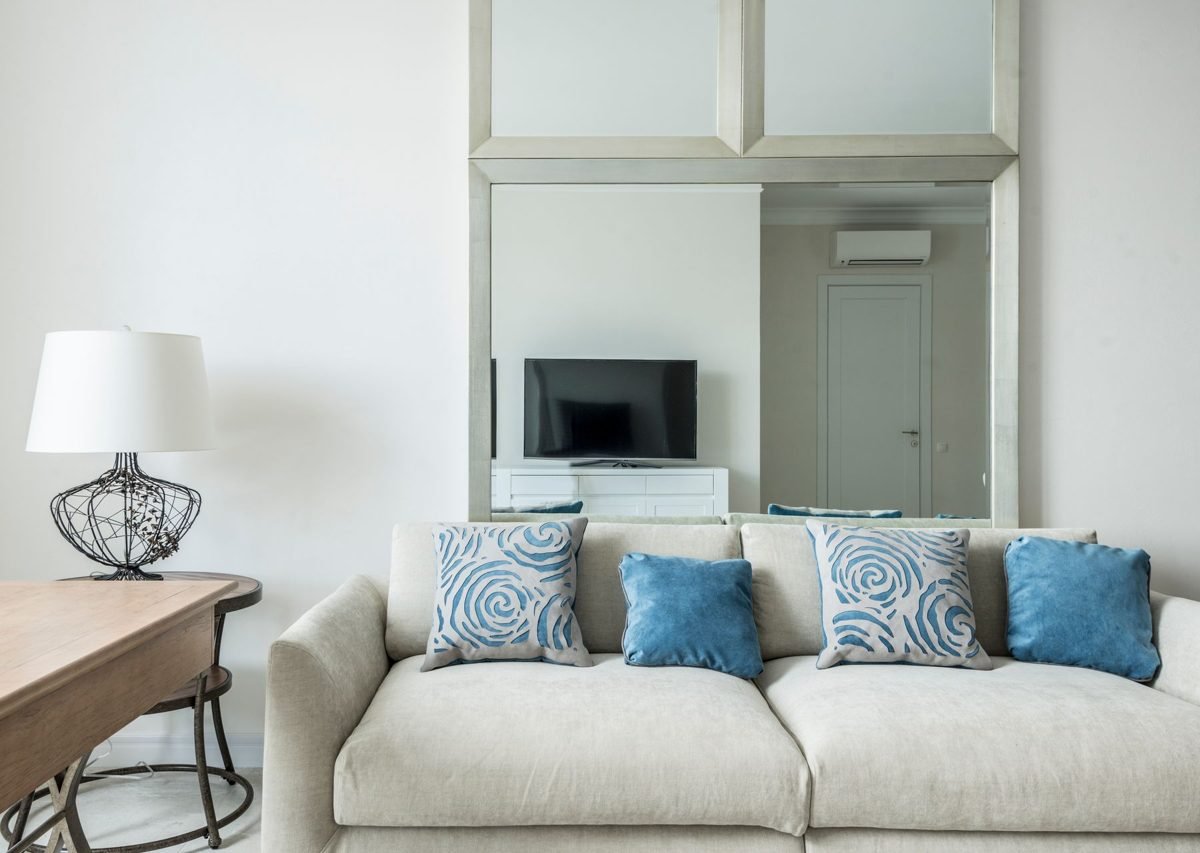
1. Start With a Light and Airy Color Palette
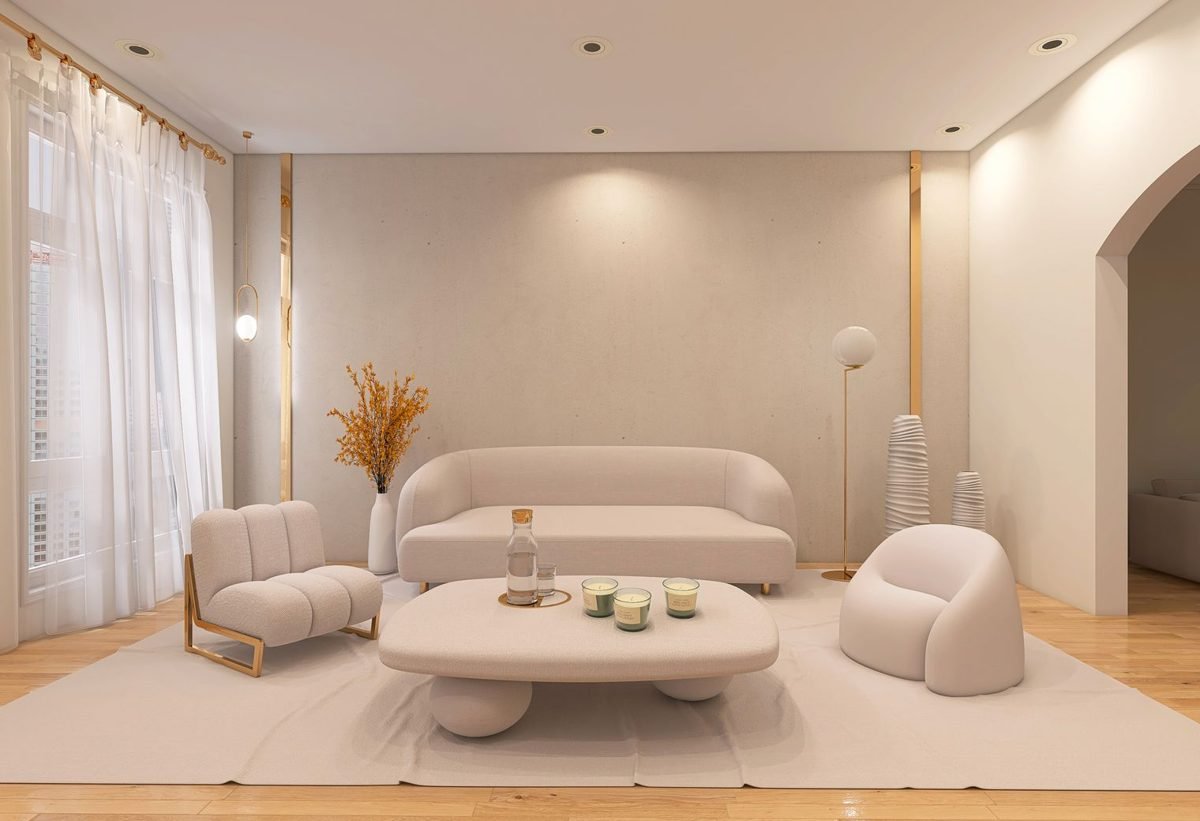
Color is the first thing your eyes see in a room. Light colors make a small space feel open and calm. Dark colors can feel warm, but they often make walls look closer. That is why a light base is the best first step.
Paint your walls white, soft cream, or pale beige for a fresh start. These shades bounce natural light from corner to corner each day. The room will look bigger without any new furniture at all. You will feel the change as soon as the paint dries.
2. Choose Furniture That Does Two Jobs
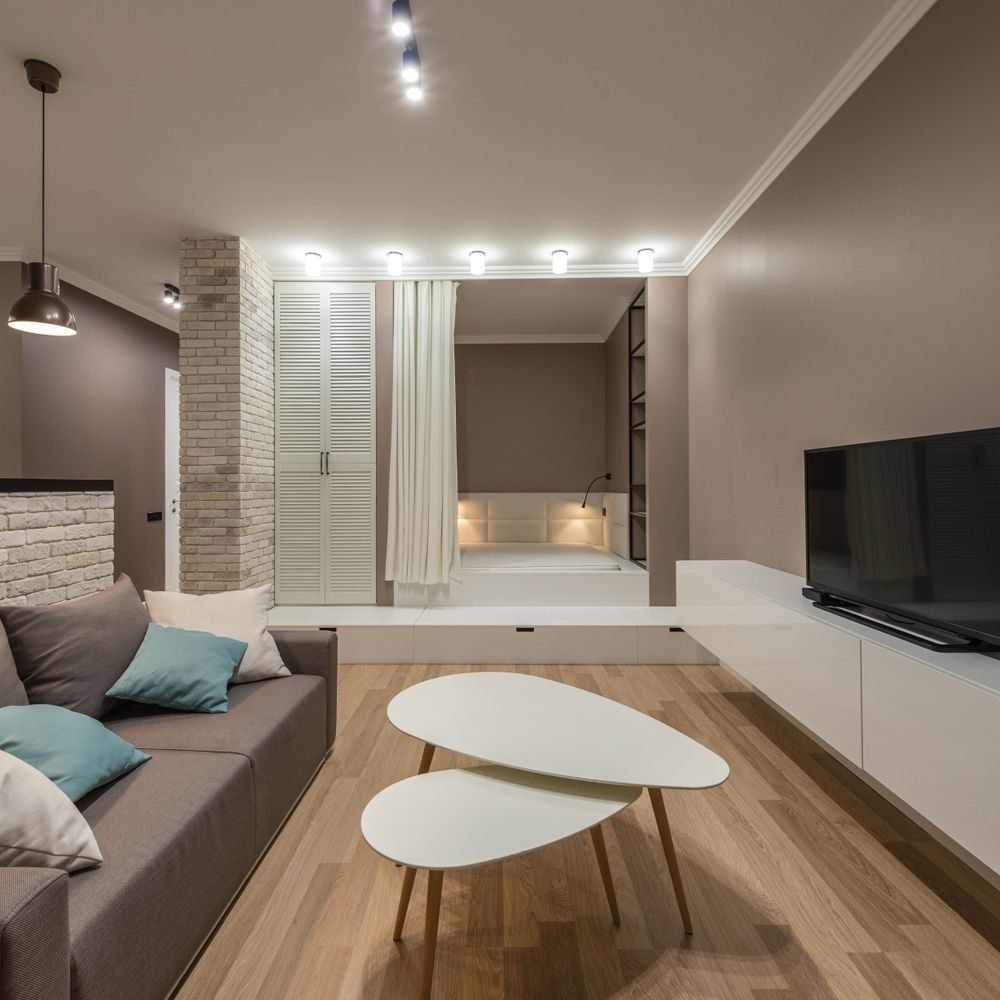
In a tiny room, every piece should earn its place. Furniture that does two jobs saves space and money at once. It also cuts clutter, because you need fewer pieces in the room. This is one of the smartest small living room decorating ideas.
Try a storage ottoman that works as a table and a seat. Choose a sofa bed if guests often sleep at your home. Use a coffee table with a shelf or drawers below it. Each smart piece gives you comfort plus a place to hide things.
3. Pick a Compact Sofa That Truly Fits
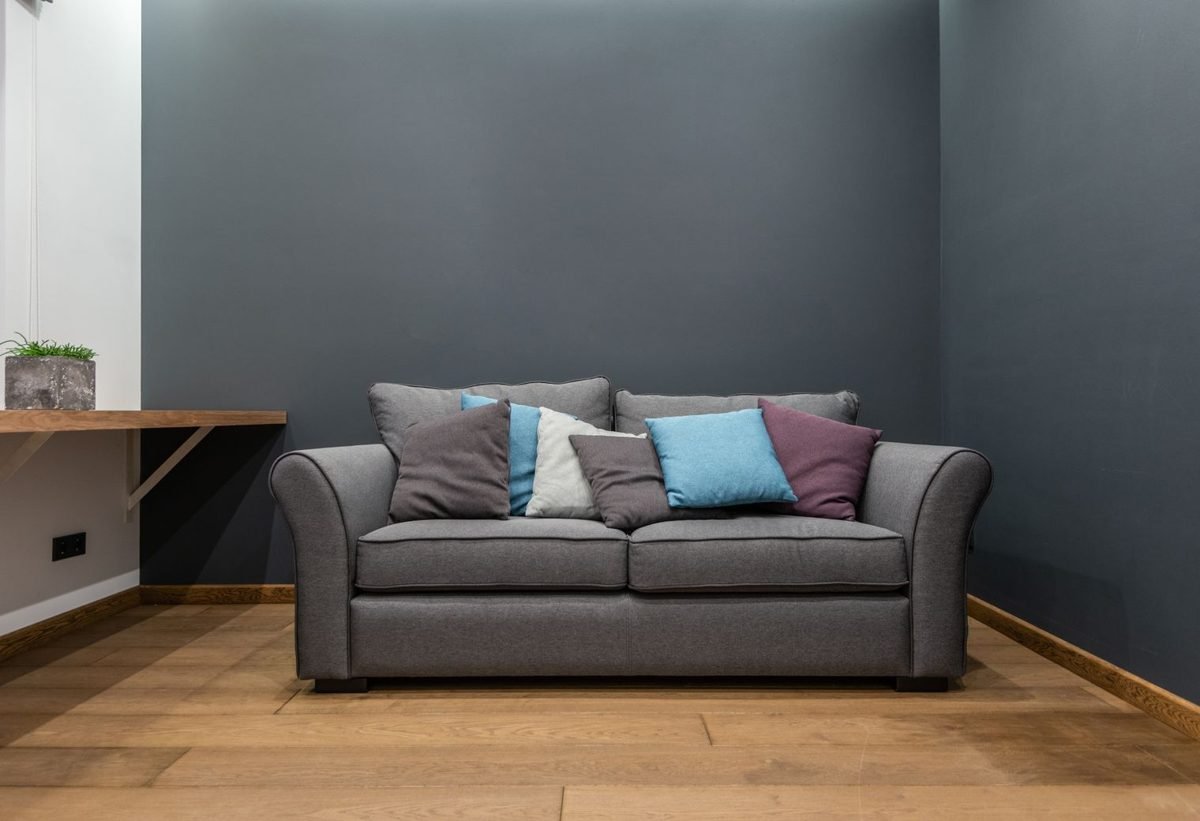
Your sofa is likely the biggest piece in the room. If it is too large, the whole room will feel tight. A compact sofa gives you comfort without eating all the space. Measure twice, and buy once with full care.
Measure your wall before you shop or order online at home. Leave a small gap on both sides of the sofa. Low arms and a low back make the sofa feel lighter. Your eyes can move over it, so the room feels open.
4. Float Furniture a Little Away From the Walls
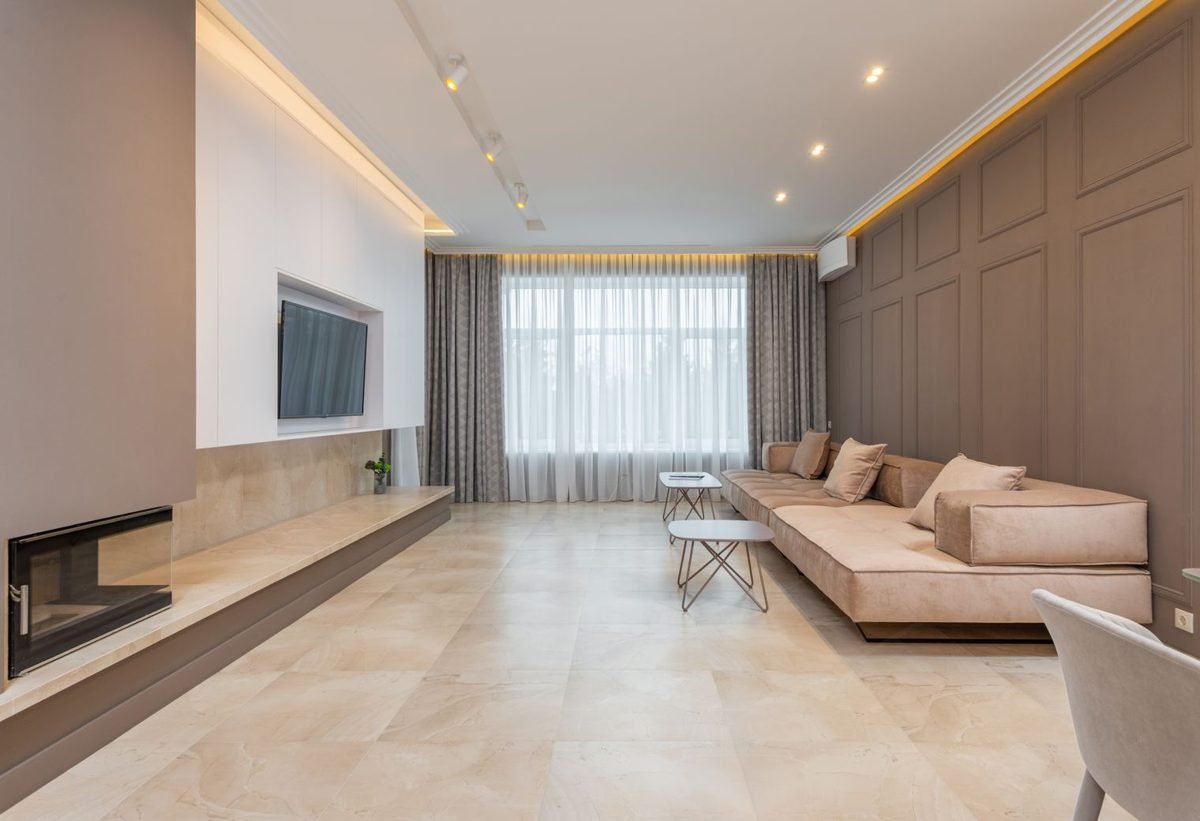
Many people push all furniture hard against the walls. They hope this trick will open the middle of the room. In fact, a small gap behind the sofa can add depth. The room can look bigger, not smaller, with floating pieces.
Pull your sofa a few inches away from the wall. Angle one chair a little toward the sofa for talks. This layout feels warm, social, and planned with real care. It also makes cleaning behind the furniture much easier later.
5. Place Mirrors Where They Catch the Light
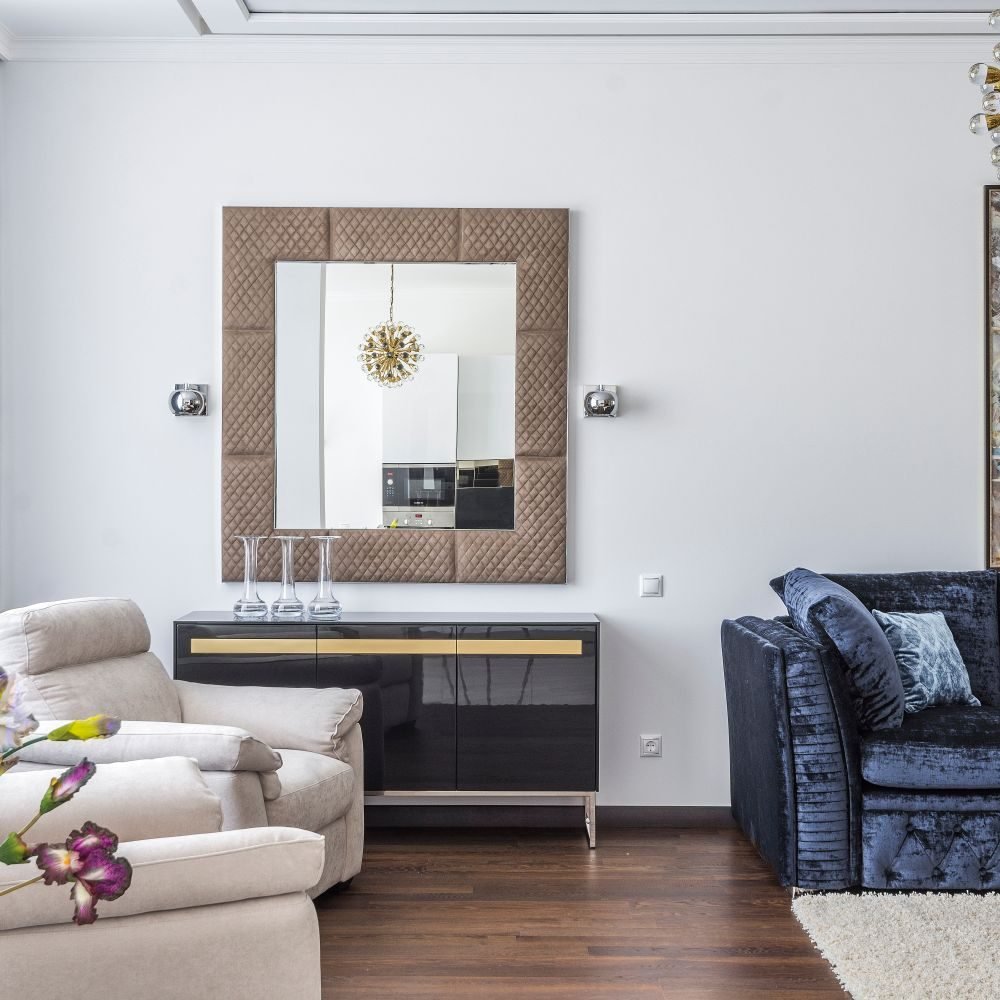
A mirror is a true best friend for a small room. It reflects light and makes plain walls feel deeper. One large mirror can almost double your natural light each day. This trick is cheap, fast, and works in rentals too.
Hang a big mirror across from your main window at home. It will bounce daylight and the outdoor view around the room. No window nearby is still fine for this simple idea. Place the mirror near a lamp to spread warm light.
6. Use Your Walls and Vertical Space
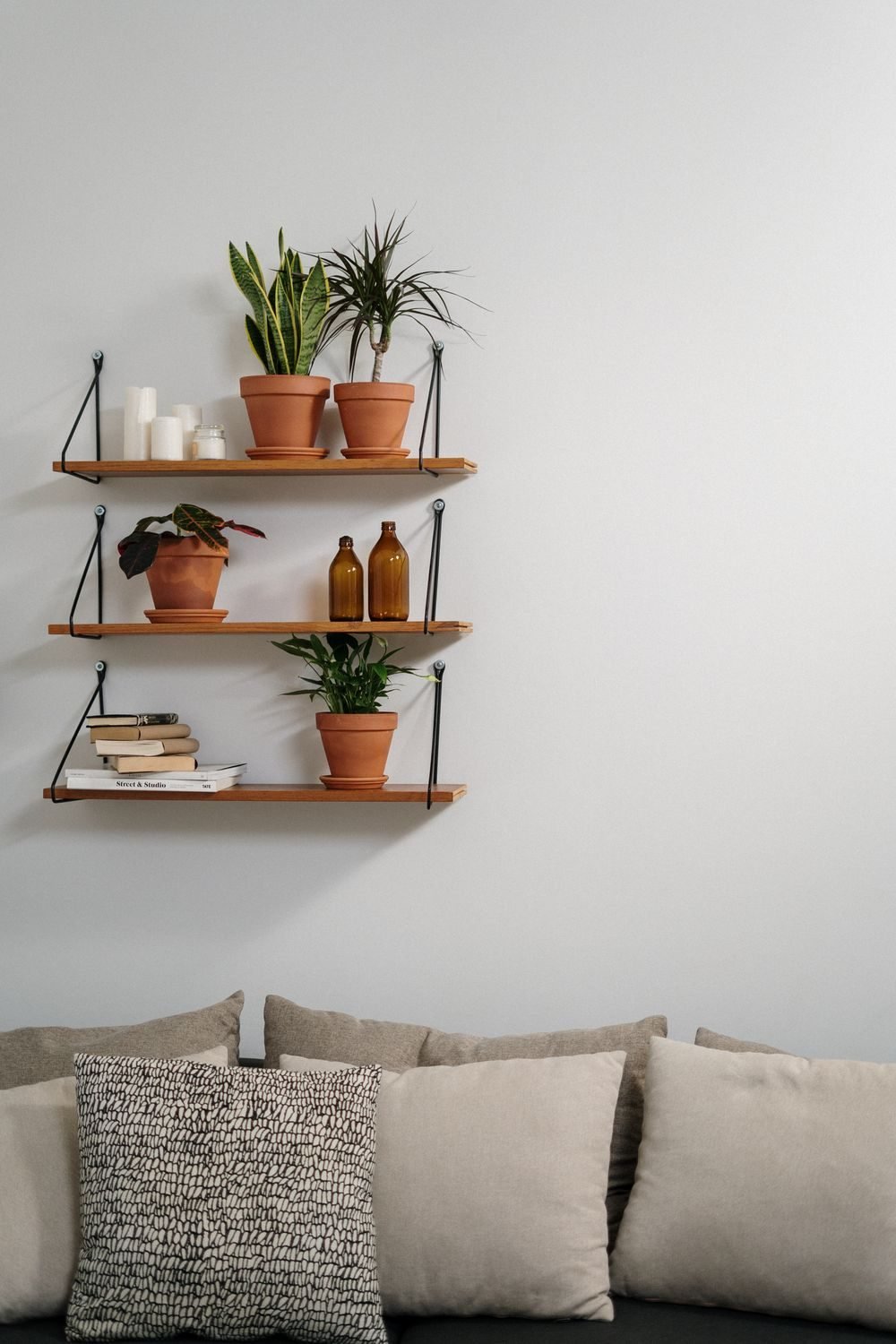
Floor space runs out fast in a tiny living room. Your walls, though, have lots of free space to offer. Tall shelves and high art draw the eyes upward each time. The room feels taller, wider, and far less crowded.
Install floating shelves above the sofa or near the door. Store books, plants, and pretty boxes where all can see them. Keep some shelf space empty so the wall can breathe. Empty gaps are part of the design, not a flaw.
7. Keep Window Treatments Light and Minimal
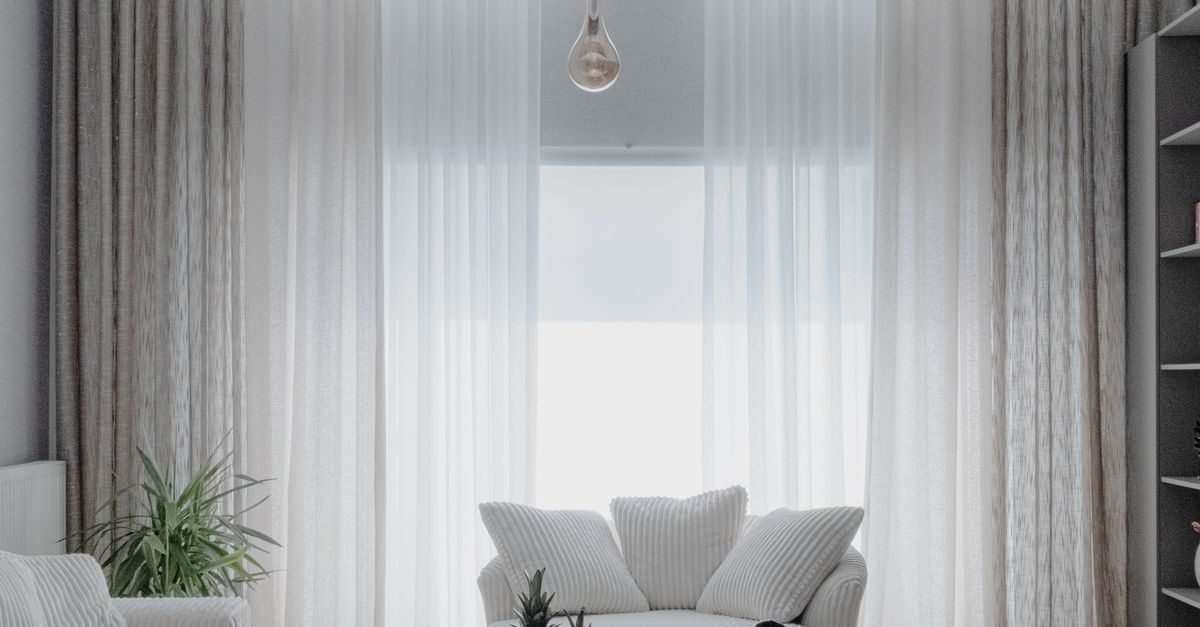
Heavy curtains can block light and crowd small windows fast. Light window treatments keep the room soft, bright, and open. Sheer or linen panels let sunshine pass through with ease. Your windows will also look larger than they really are.
Hang the curtain rod close to the ceiling for height. Extend it wider than the window frame on both sides. This old designer trick fools the eye in a good way. Pick colors close to your wall color for a calm look.
8. Choose the Right Rug Size for Your Room
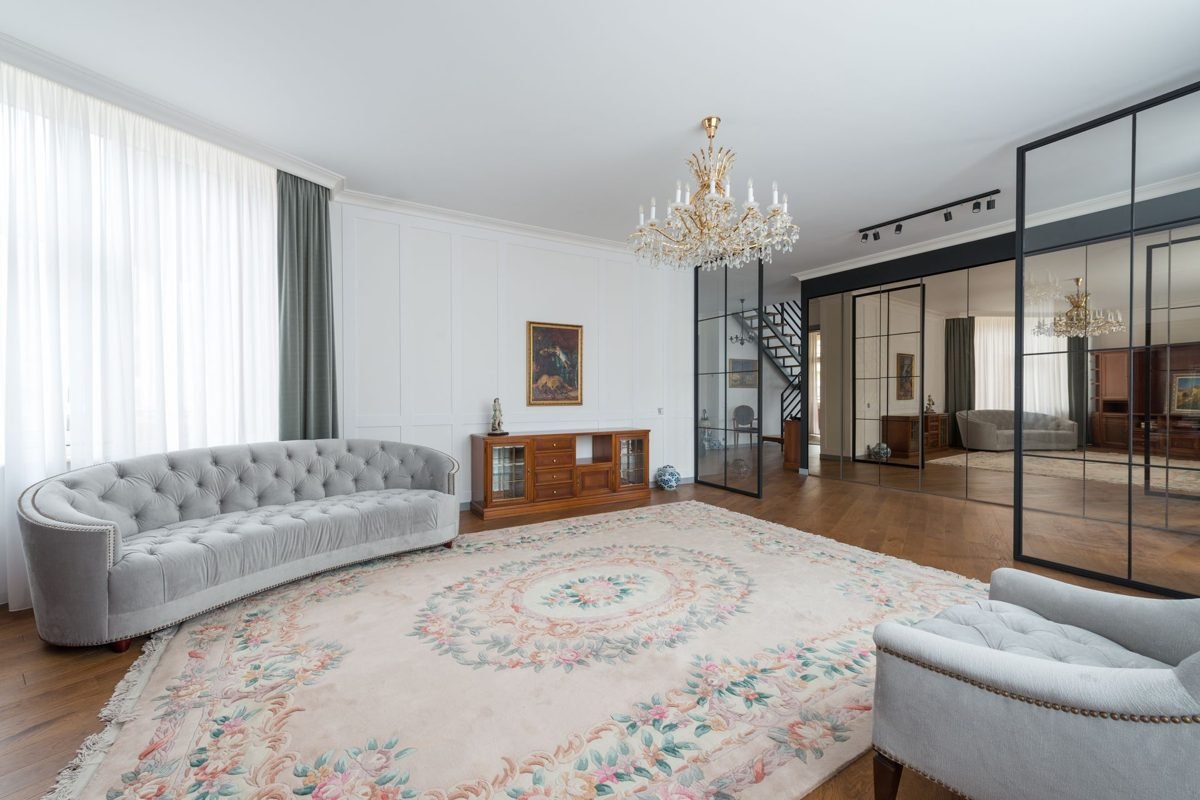
A tiny rug is one of the most common small room mistakes. It breaks the floor into small, broken pieces for the eye. A large rug joins your seating into one cozy zone. The whole room instantly looks wider and more planned.
Choose a rug that slides under the front sofa legs. It should reach under your chairs or side tables too. Keep the color light, with a soft pattern if you like. You will get warmth and style without dark, heavy tones.
9. Try Open Shelving Instead of Bulky Cabinets
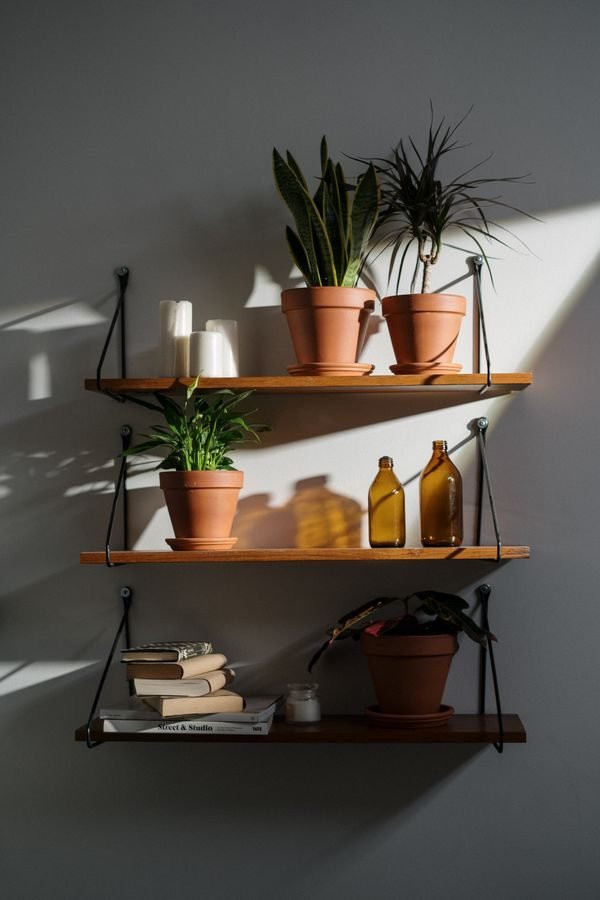
Big cabinets take floor space and block light in rooms. Open shelves feel lighter and show your favorite pieces well. They also cost less than most closed storage furniture pieces. For tiny living room ideas, open shelves are hard to beat.
Mount two or three shelves at eye level or higher. Group decor in sets of three for a neat look. Add woven baskets to hide remotes, chargers, and small toys. Leave a few gaps empty so shelves never look messy.
10. Limit the Room to a Few Colors
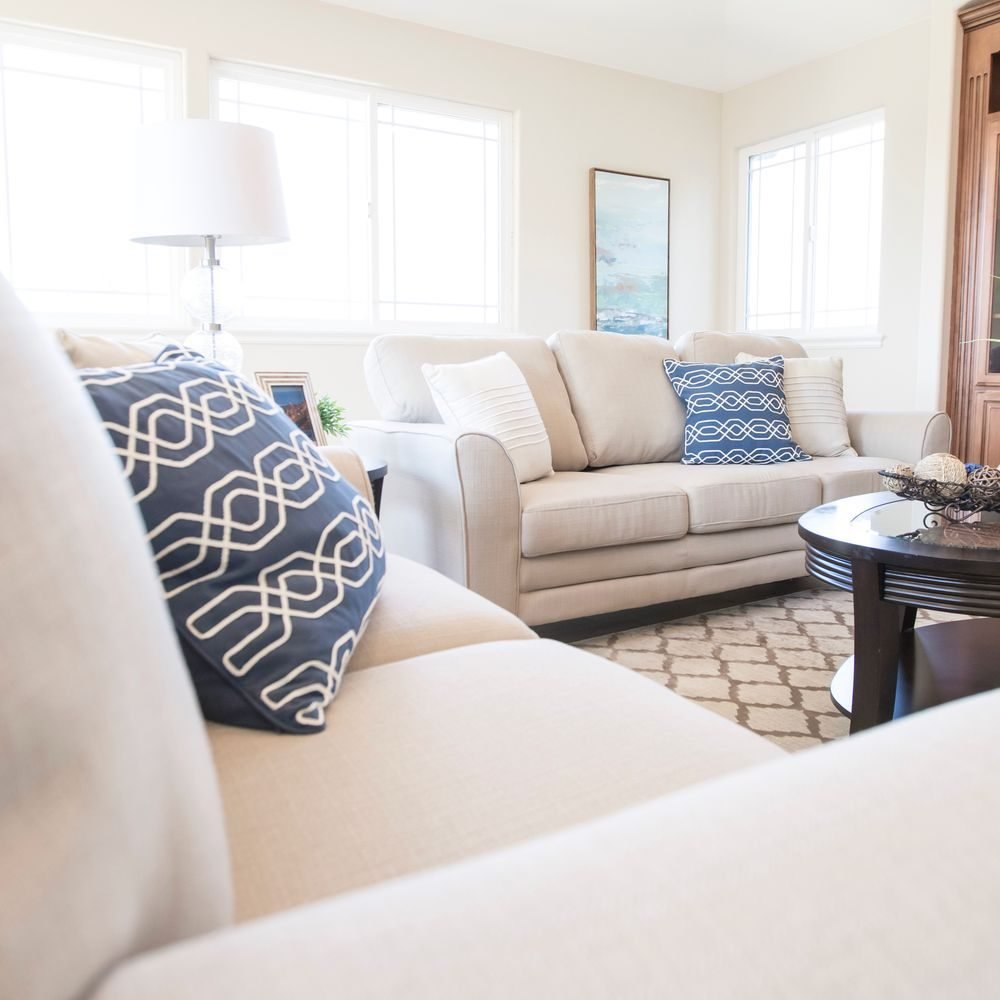
Too many colors can make a small room feel busy. A tight color palette keeps the space calm and clean. Pick two main colors and one accent color for decor. Repeat those shades in pillows, rugs, art, and throws.
A simple palette also makes shopping much easier for you. You will know at once if a new item fits. The room will look planned, even on a small budget. Guests often sense this calm order without knowing why.
11. Add Hidden Storage in Smart Places
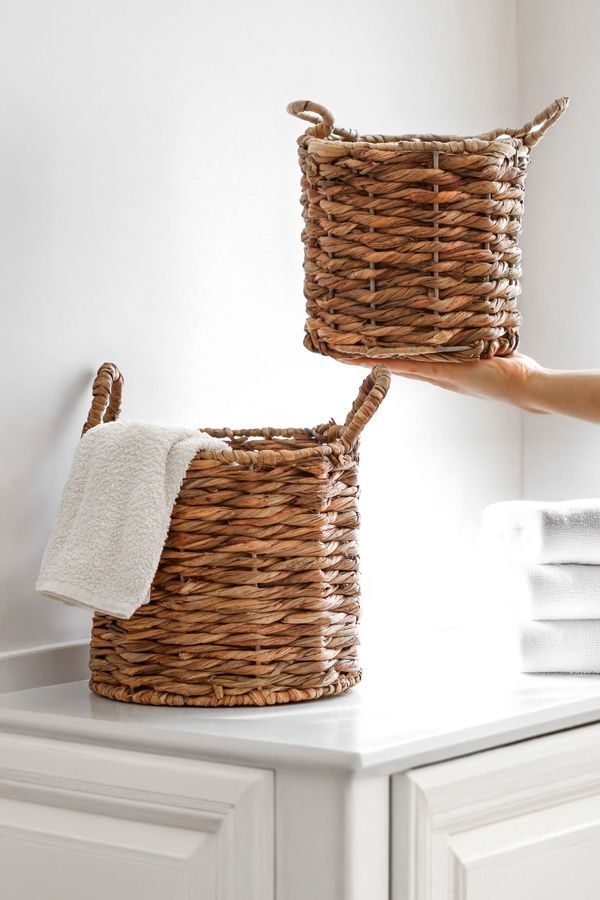
Clutter shrinks a room faster than almost anything else. Hidden storage keeps daily items close, but out of sight. Baskets, lidded benches, and ottomans are perfect for this job. Your room stays tidy with only five minutes of effort.
Place one basket beside the sofa for throws and remotes. Use drawer units under a coffee table for chargers and books. Give each daily item one clear home in the room. When the day ends, a quick reset keeps everything calm.
12. Pick Furniture With Exposed Legs
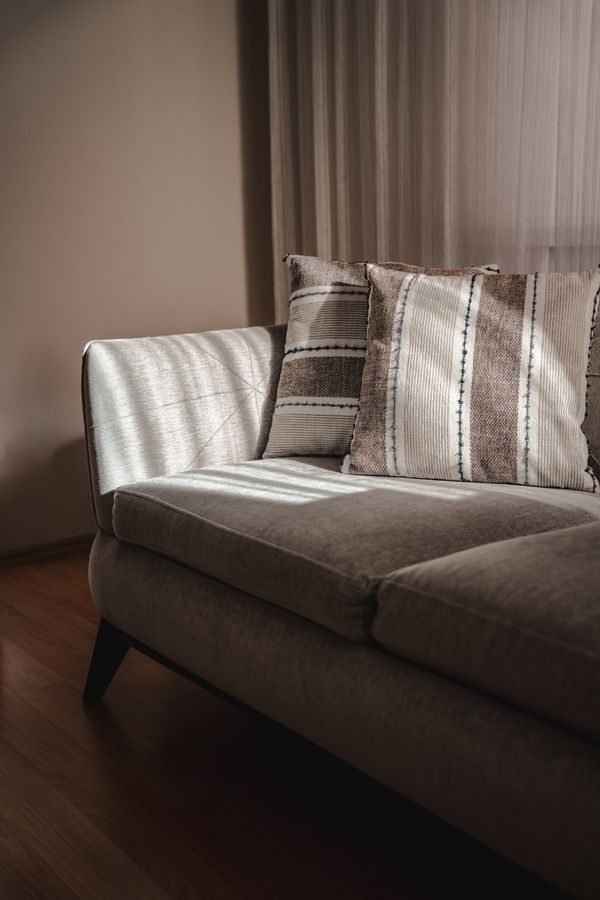
Furniture that sits flat on the floor looks heavy. Pieces with exposed legs feel light and take less visual space. You can see the floor under them from every angle. That simple view makes the whole room feel bigger.
Look for sofas, chairs, and tables with wood legs. Mid-century styles are great, but any leggy piece works well. Match leg tones with your shelves or floor for flow. This one choice can lift the mood of the room.
13. Create Cozy Zones With Lighting
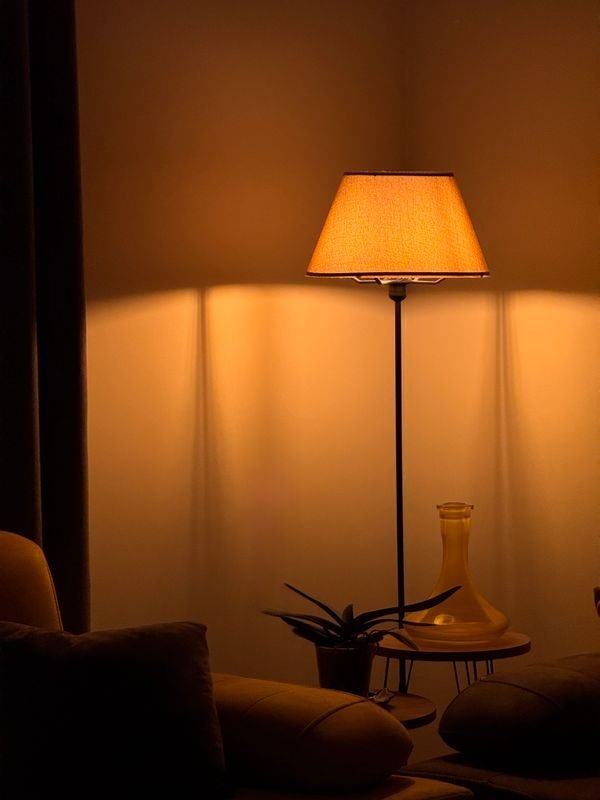
One ceiling light makes a room feel flat and cold. Layered lighting creates warm zones for rest, reading, and talks. Each zone gives the small room a clear, useful purpose. The space feels richer, deeper, and more inviting at night.
Place a floor lamp in one dark corner at home. Add a table lamp near your favorite reading chair tonight. Try a small lamp or candles on a shelf too. Warm bulbs in all three spots will tie them together.
14. Go Big With One Art Piece
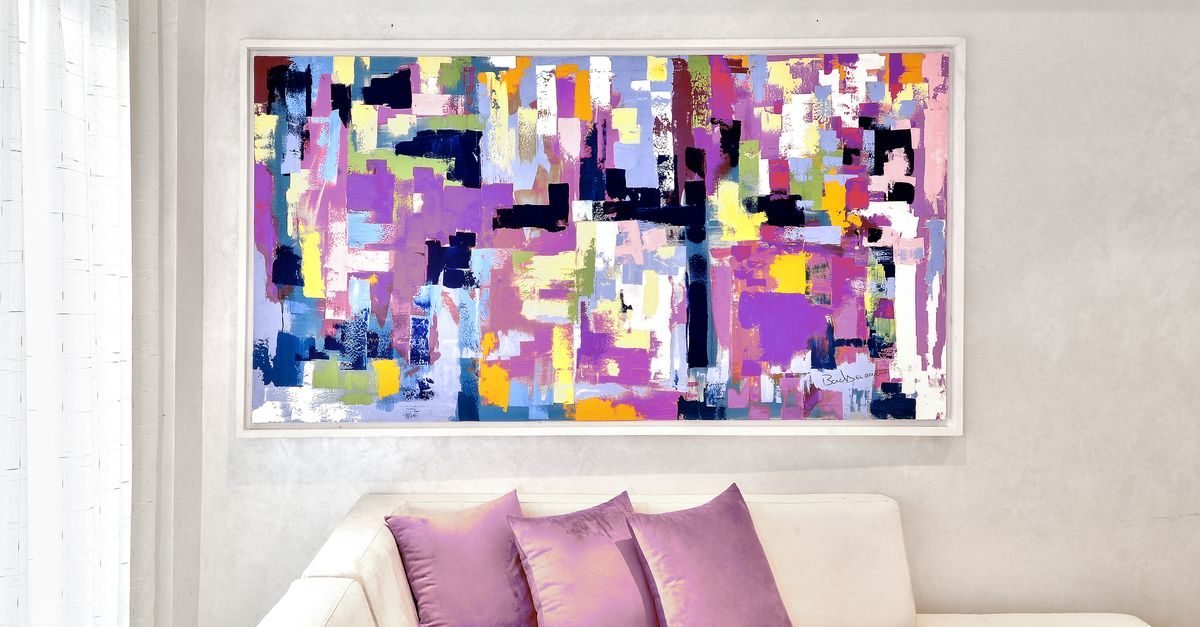
Many tiny frames can make a wall look scattered. One large art piece creates a clean, bold focal point. It gives the eye one calm place to rest. Large art also makes low ceilings feel less heavy.
Hang your piece above the sofa at eye level. Leave open space around all sides of the frame. Choose light colors if your room gets little sun. Nature scenes and soft abstract prints both work beautifully here.
15. Use Glass and Clear Pieces That Feel Light
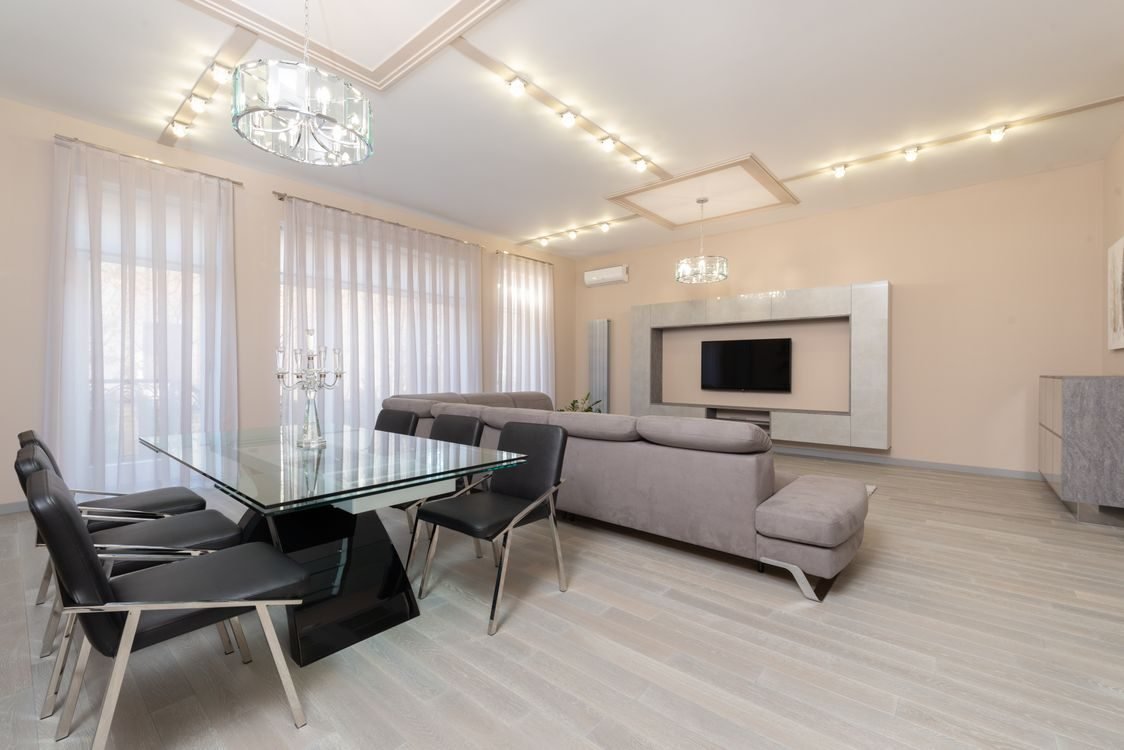
Solid, dark furniture can block sight lines in seconds. Glass and clear acrylic pieces keep views open and bright. You get the function without the visual weight or bulk. This is a pro trick for small apartment living room ideas.
Try a glass coffee table in the center area. Add clear side tables that almost disappear from view. Keep the glass clean so light passes through each day. Style the top with one tray and one plant only.
16. Keep Every Accessory on Purpose
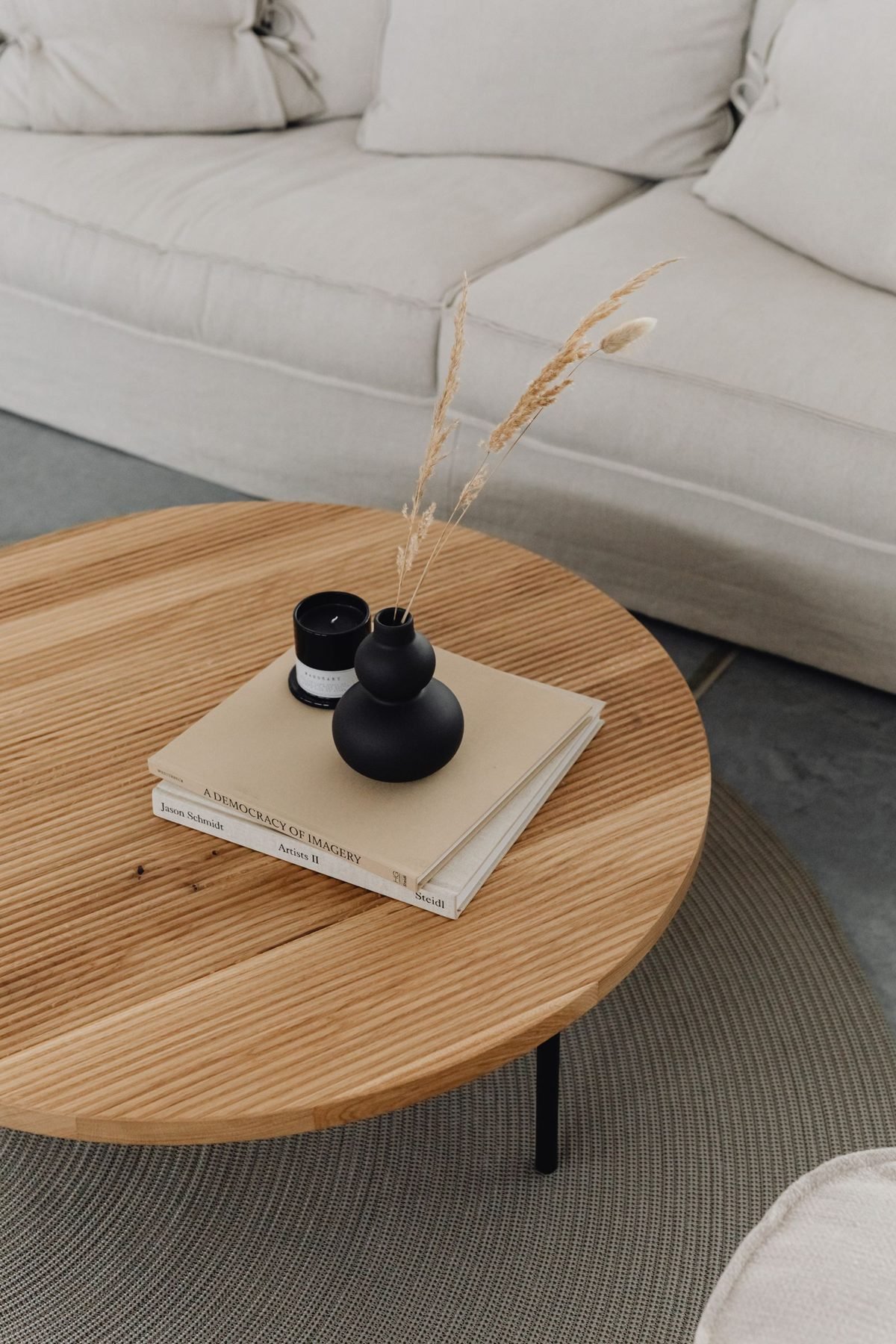
Accessories add charm, but too many add instant clutter. In a small room, each item should have a reason. Fewer pieces also make your favorites stand out much more. Your shelves and tables will thank you for the space.
Choose decor that is pretty and useful at once. A nice tray can hold remotes and coasters in style. Books can add color while you actually read them. Edit your surfaces each month and remove one weak item.
17. Let in as Much Natural Light as You Can
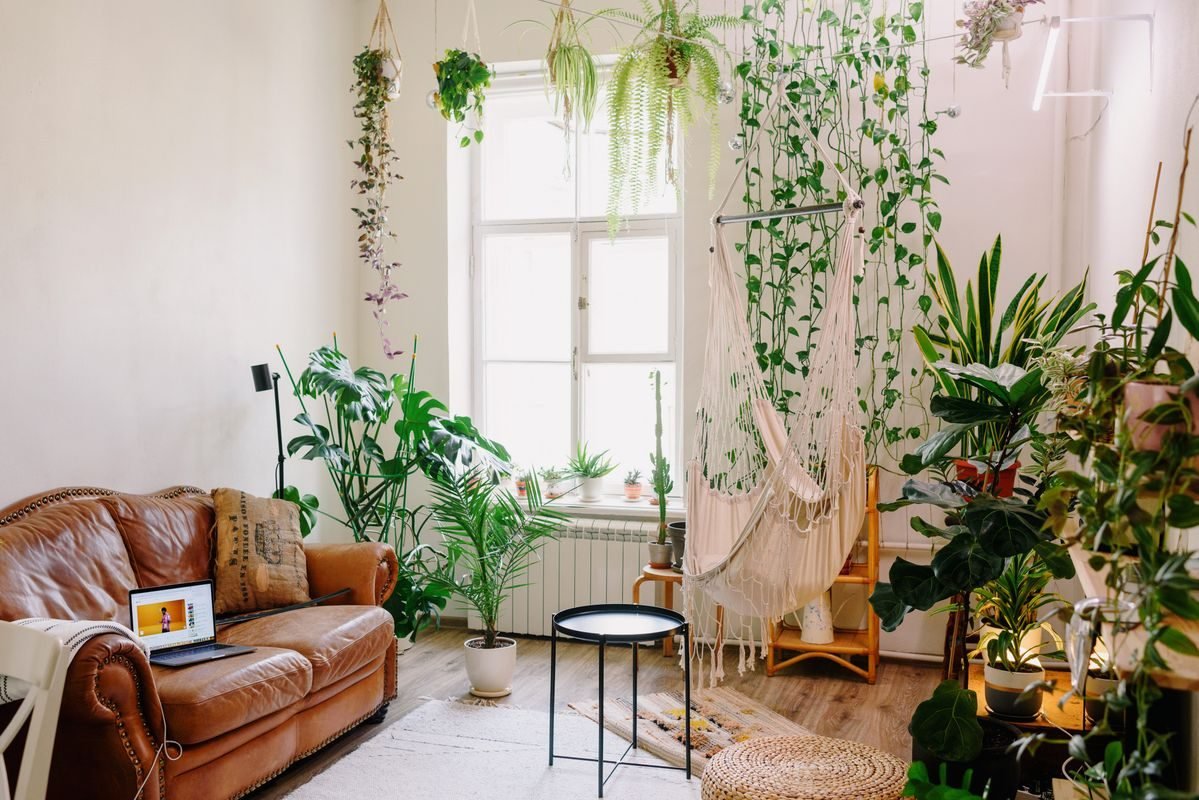
Natural light is free, and it changes everything fast. It makes colors look true and corners feel less dark. Even north-facing rooms can feel brighter with small tweaks. Start by cleaning your windows inside and outside this week.
Keep window sills clear of heavy or tall items. Move big plants away from the glass during the day. Use light paint near windows to reflect even more sun. Your mirrors will then have more light to share.
18. Build a Neutral Base and Add Texture
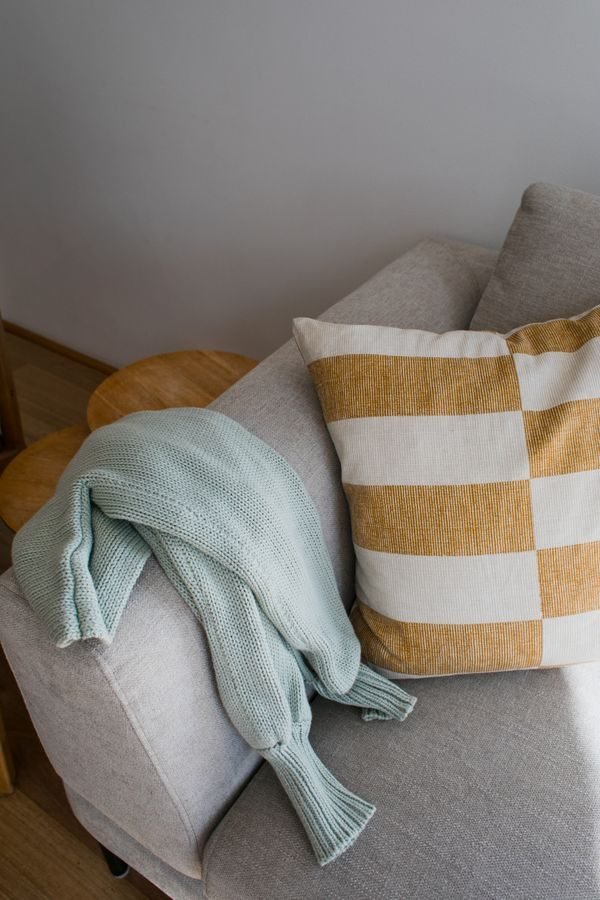
A neutral base keeps a tiny room calm and bright. Texture then adds the warmth that neutrals sometimes lack. You get a cozy feel without dark colors or patterns. This balance is the heart of cozy small living room ideas.
Start with cream walls, a beige sofa, and a light rug. Layer a knit throw, linen pillows, and a wood table. Mix smooth, rough, soft, and shiny finishes in small doses. The room will feel deep and rich, never flat.
19. Consider Built-In or Bench Seating
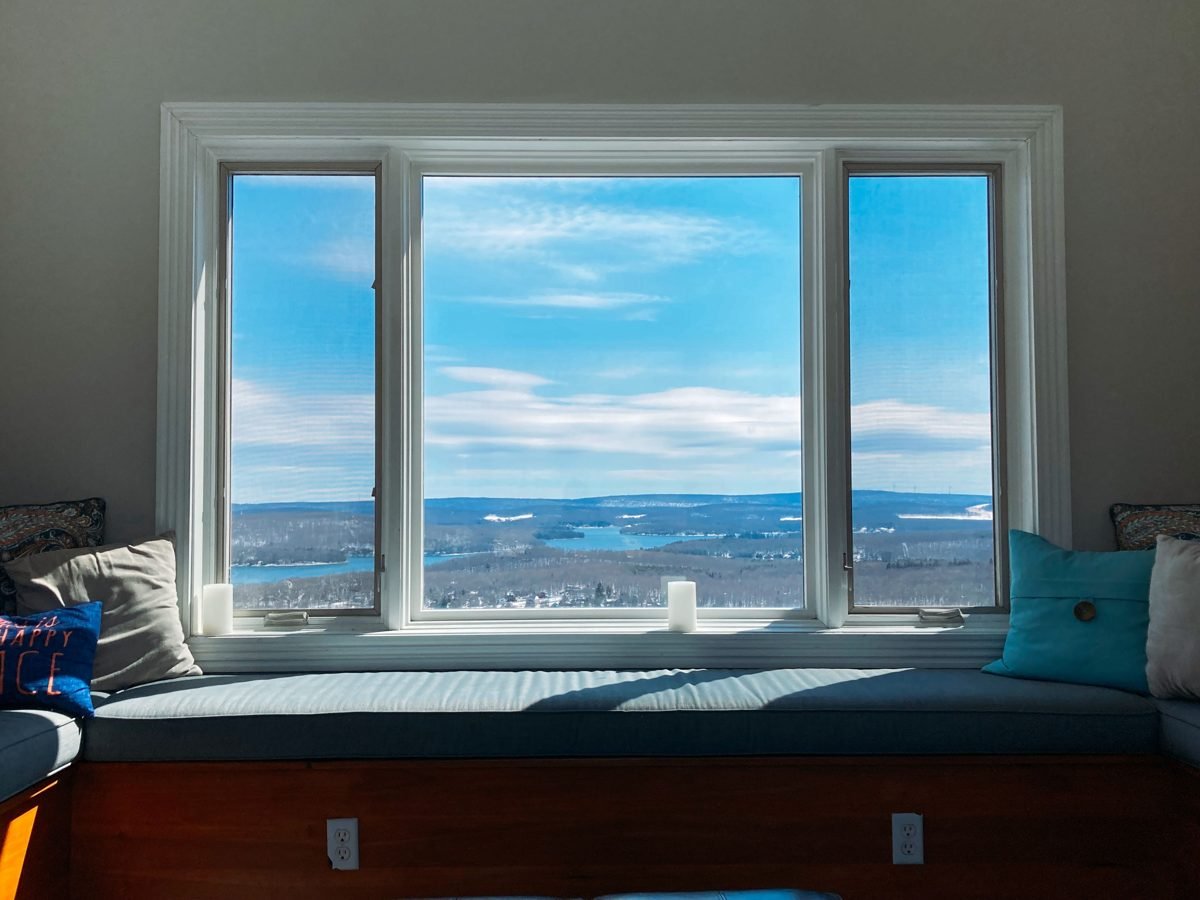
Built-in seating hugs the walls and wastes no space. A window bench can seat guests and store blankets inside. It also adds charm that loose chairs cannot match easily. Renters can copy the look with a low storage bench.
Place a bench under a window or along one wall. Add two firm cushions and three soft pillows on top. Store games, throws, or seasonal decor inside the base. Pull up a small table, and you have a reading nook.
20. Keep Your Pathways Open and Clear
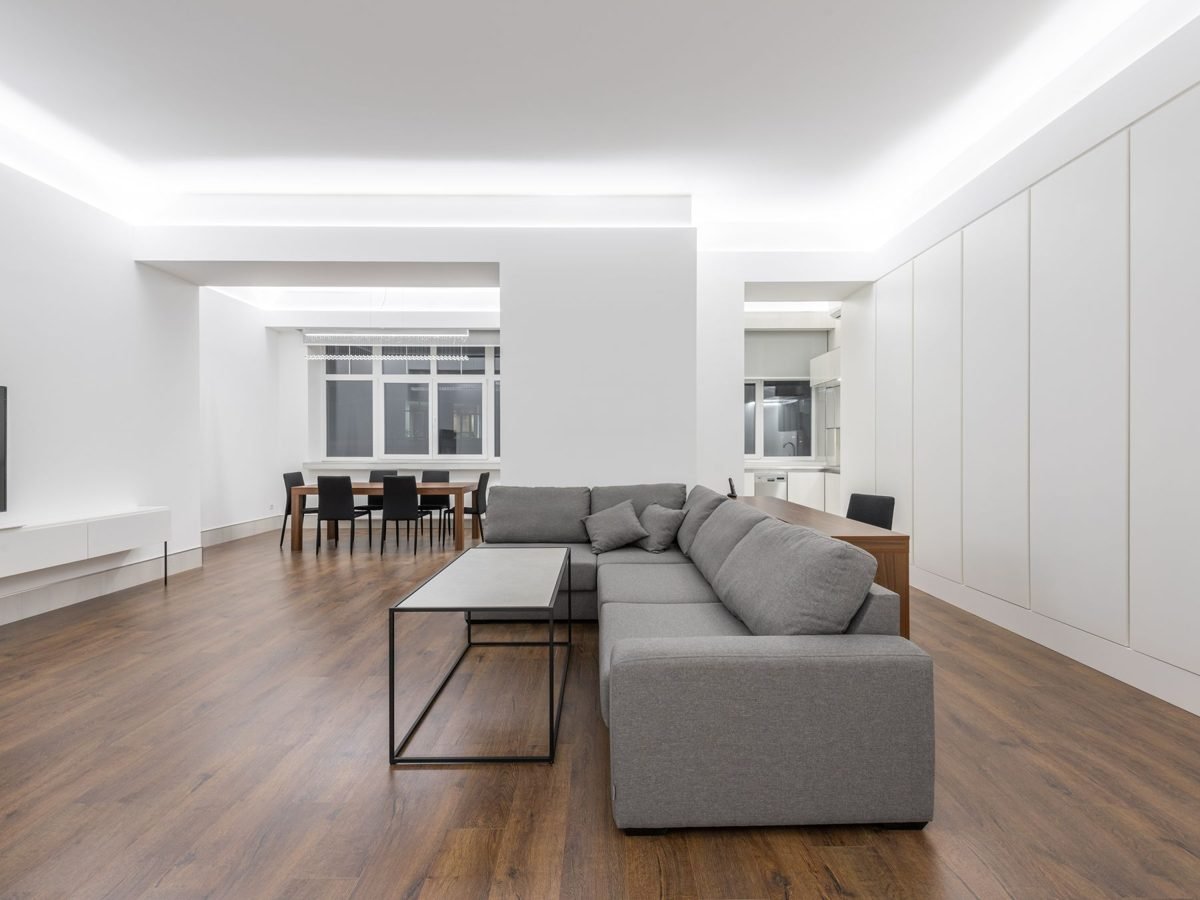
A room feels small when you cannot move through it. Clear pathways make daily life easy and calm for all. They also let light and air flow from end to end. Good flow is a quiet hero of small space design.
Leave a clear path from the door to the window. Keep at least two feet of walking space where possible. Move any piece that forces you to turn sideways. Test the path at night, when light is low.
21. Add Plants for Life and Fresh Color
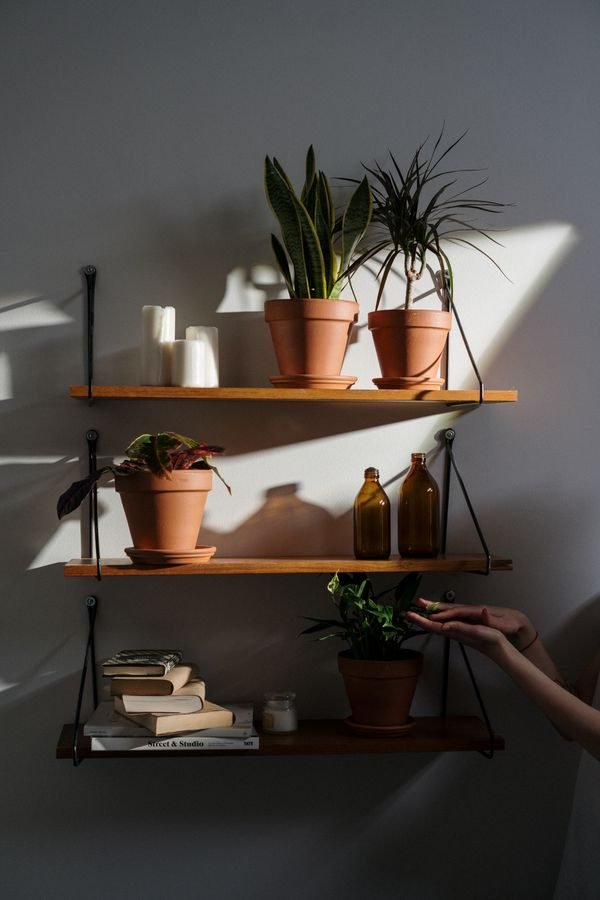
Plants bring life, color, and height to any corner. They soften hard lines from sofas, shelves, and screens. Even one tall plant can fill dead space with charm. Greenery also makes photos and pins look more inviting.
Place a tall plant in an empty corner near light. Add small trailing plants on shelves and side tables. Start with easy types like pothos and snake plants at home. Use light pots that match your palette for a tidy look.
22. Let Your Own Personality Shine
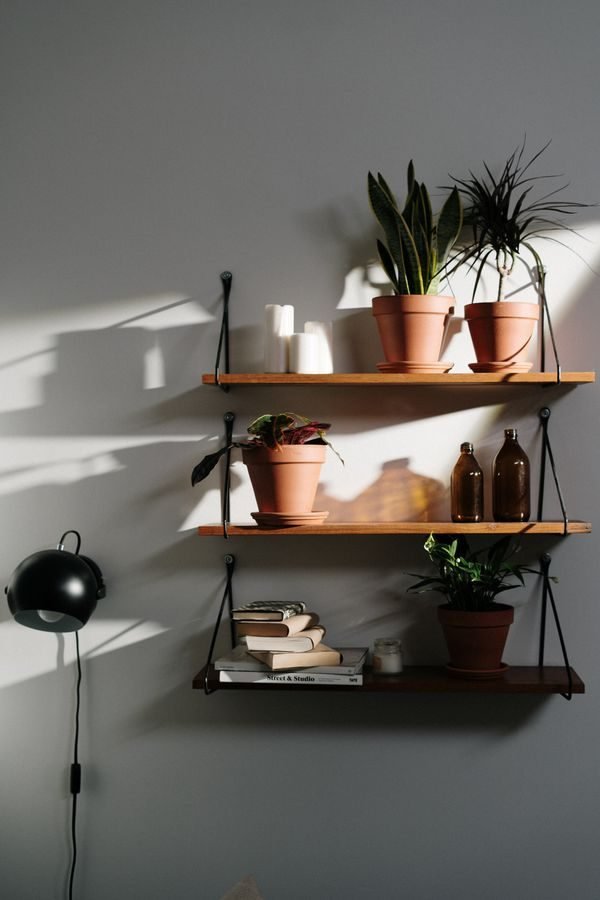
Rules help, but your room should still feel like you. Personal touches turn a styled space into a real home. They also make guests feel welcome the moment they enter. A room with heart always beats a perfect showroom copy.
Display one shelf of items from trips or family days. Frame a photo that always makes you smile at home. Keep a beloved old chair if it brings you joy. Mix the rules above with your story, and the room wins.
Small Living Room Mistakes to Avoid
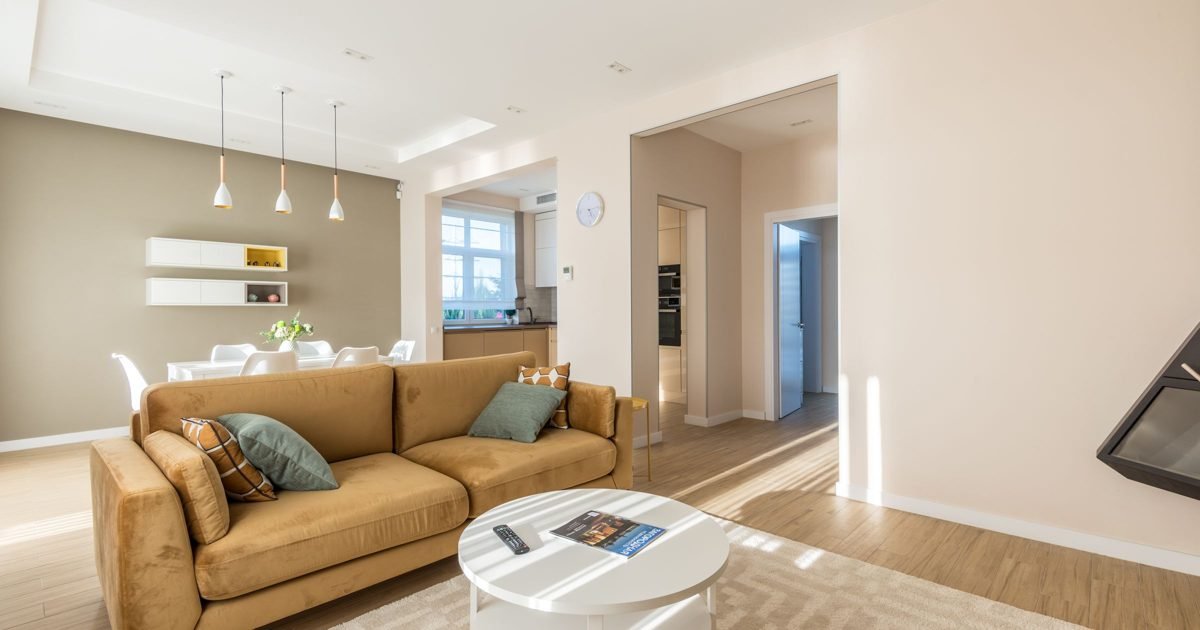
Even good decor can go wrong in a small room. A few small errors can undo all your hard work. Watch out for these five common mistakes below today. Fixing even two of them can change the whole room.
Mistake 1: A sofa that is far too big. It eats your floor space and blocks easy movement every day. Always measure your wall, door, and hallway before you buy. A smaller sofa often feels more comfy in daily life.
Mistake 2: Dark colors on every single wall. Dark shades can look rich, but they shrink tiny rooms fast. Save deep tones for one pillow, vase, or throw instead. Keep walls and big pieces light for an open feel.
Mistake 3: Too many tiny decor items everywhere. Ten small objects on one shelf read as visual clutter. Choose fewer pieces, and make each piece a bit bigger. Your eye will rest, and the shelf will shine.
Mistake 4: Pushing everything flat against the walls. This can leave a dead, empty feel in the center. Float the sofa a few inches out for depth. Angle a chair in to make talks feel natural.
Mistake 5: One harsh light from the ceiling only. A single bright bulb makes corners look cold and flat. Add a floor lamp and a table lamp instead. Warm, layered light makes any small room feel cozy.
A Quick Budget Plan for Every Home
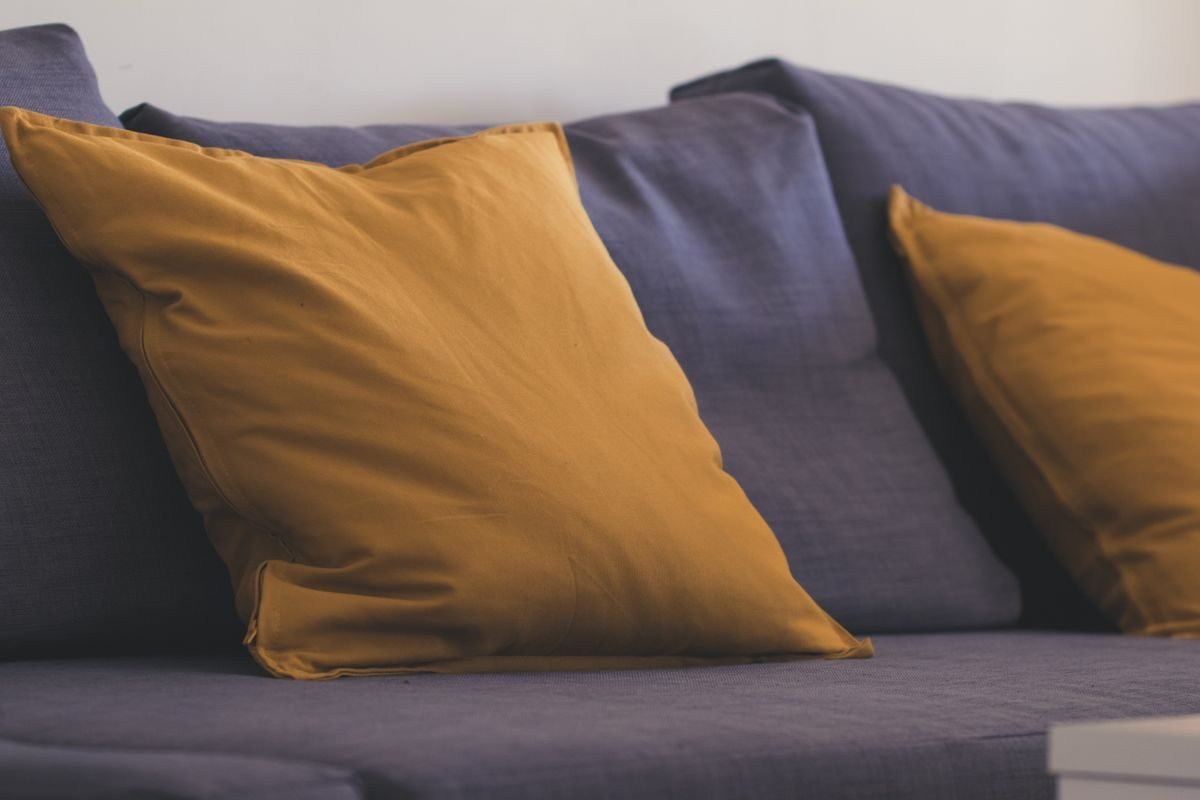
You do not need to buy everything at one time. Start where your wallet feels calm and stress stays low. A slow plan often beats one big, rushed shopping trip. Use the three levels below to build your room step by step.
Under $50: Add two pillow covers and one soft throw today. Buy one basket to hide remotes and daily clutter. Rearrange your layout to open pathways and float the sofa. These free and cheap moves give a big first win.
Under $150: Add a large mirror from a thrift store nearby. Hang your curtains higher and wider than the window frame. Buy one warm floor lamp for the darkest corner at home. Your light and height will change in one weekend.
Full refresh: Add a large light rug under the seating zone. Choose a compact sofa with exposed legs and low arms. Install open shelves to use your vertical wall space well. Now your base is complete, and the room feels brand new.
Frequently Asked Questions
What colors make a small living room look bigger?
Light colors work best for small rooms of any shape. White, cream, soft beige, and light gray reflect natural light well. The room feels open, calm, and much wider each day. Add color with pillows, art, and plants so it stays fun.
How do I decorate a small living room on a budget?
Start with free moves like clearing clutter and pathways first. Move furniture to open the center and float the sofa. Then add pillow covers, a throw, and a thrift mirror cheaply. Small, smart steps can make a very big change fast.
What sofa is best for a small living room?
A loveseat or compact apartment sofa is usually the best pick. Low arms and exposed legs keep it feeling light and open. It should fit your wall with space left on both sides. Light fabric also helps the room stay bright and airy.
How big should a rug be in a small living room?
Go bigger than you first think for the best result. The rug should fit under the front legs of seating. This joins the sofa and chairs into one cozy zone. A tiny rug makes the floor look broken and small.
How can I make a small living room feel cozy?
Add soft layers like pillows, throws, and warm rugs at home. Use lamps at different heights for a warm glow at night. Bring in plants and wood texture for life and depth. Keep colors light, and cozy will never mean dark.
Final Thoughts
A small living room is not a flaw in your home. It is a chance to plan with care and style. Start with light colors, smart furniture, and open pathways first. Then add mirrors, layers, and pieces that show your story.
You do not need to copy every idea in one week. Pick two ideas, live with them, and enjoy the change. Save this guide on Pinterest so you can return later. Share it with a friend whose tiny living room needs love.
Which idea will you try first in your own home? Tell us in the comments, and happy decorating to you. Your bigger, brighter, cozier room is closer than you think. One small step today can start the whole change.
